Introduction
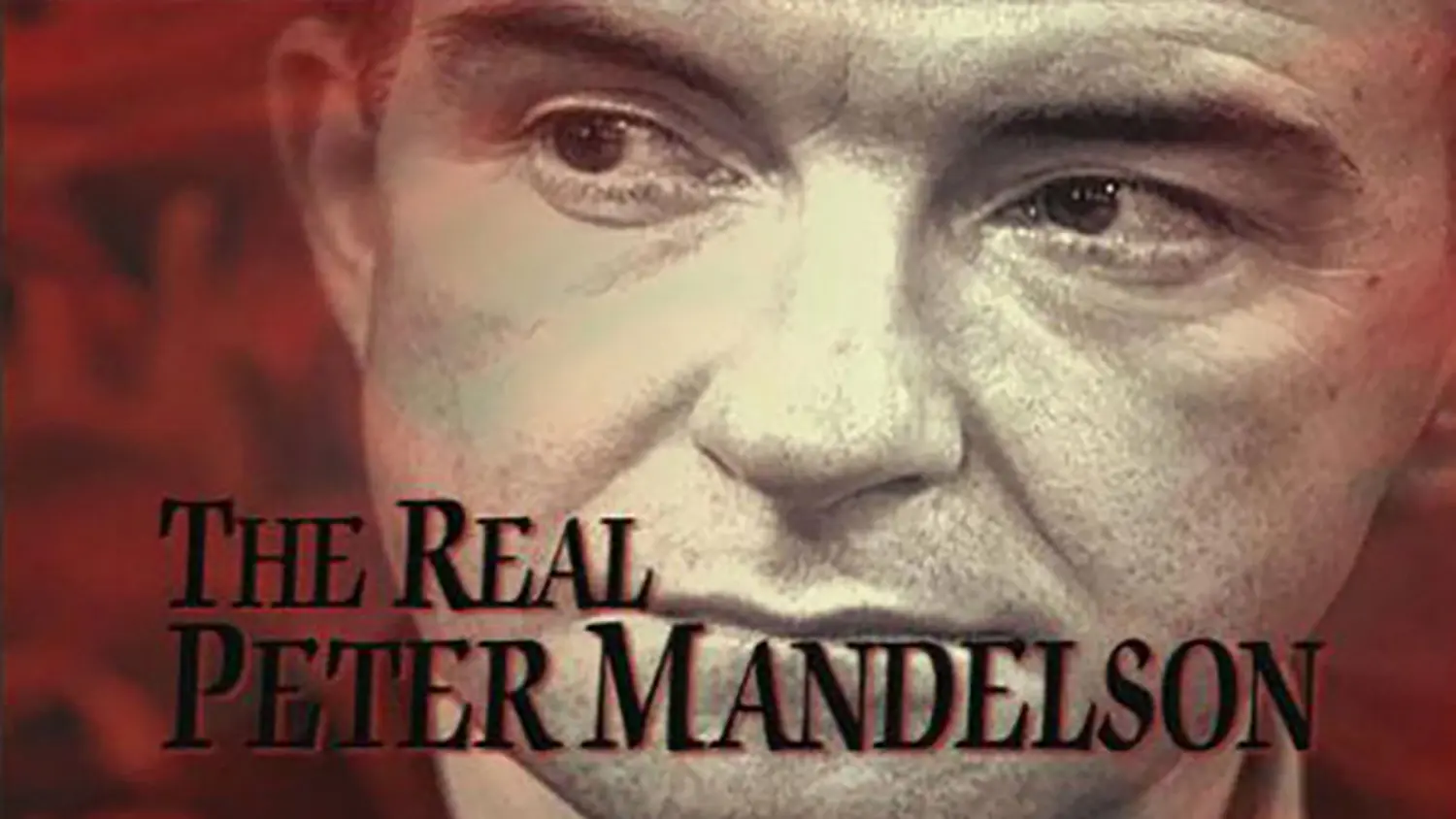
Peter Mandelson is a significant figure in British politics, known for his role in the Labour Party’s modernization during the late 20th century. As a key architect of New Labour, Mandelson’s policies and political strategies have profoundly shaped the party and the UK’s political landscape. His influence remains relevant today, as the Labour Party continues to navigate contemporary political challenges.
Early Life and Political Career
Born on October 21, 1953, in London, Peter Mandelson attended St. John’s College, Cambridge, where he studied the history of art. He began his political career as an advisor before becoming a Member of Parliament (MP) for Hartlepool in 1992. Mandelson quickly rose through the ranks of the Labour Party, ultimately becoming Secretary of State for Trade and Industry and later, Secretary of State for Northern Ireland.
Architect of New Labour
Mandelson played a crucial role in the rebranding of the Labour Party in the 1990s, along with Prime Minister Tony Blair. His vision for a modernised Labour Party helped to distance it from traditional socialist images and embrace a more centrist approach. This shift was instrumental in the party’s success in the 1997 general election, which saw Labour securing a historic landslide victory.
Controversies and Comebacks
Throughout his career, Mandelson has faced controversies, including resignations due to various scandals. Yet, he has shown remarkable resilience. His return to government as Business Secretary in 2008 demonstrated his enduring influence within the party and British politics. After leaving frontline politics, Mandelson continued to engage in public discourse, often addressing key issues such as Brexit and the future of the Labour Party.
Current Influence and Legacy
In recent years, Mandelson has remained an active participant in political discussions, offering insights on global trade, economic policy, and the Labour Party’s direction under new leadership. His advocacy for a pro-European stance during and after Brexit has positioned him as a significant voice within the party, as it grapples with its identity in a changing political landscape.
Conclusion
Peter Mandelson’s impact on British politics is undeniable. His contributions to the Labour Party and the broader political discourse have shaped the party’s trajectory in the 21st century. As the Labour Party faces new challenges, Mandelson’s experiences and insights may play a pivotal role in its continued evolution. Undoubtedly, his legacy will be a topic of interest for political historians and active politicians alike in the coming years.