Introduction
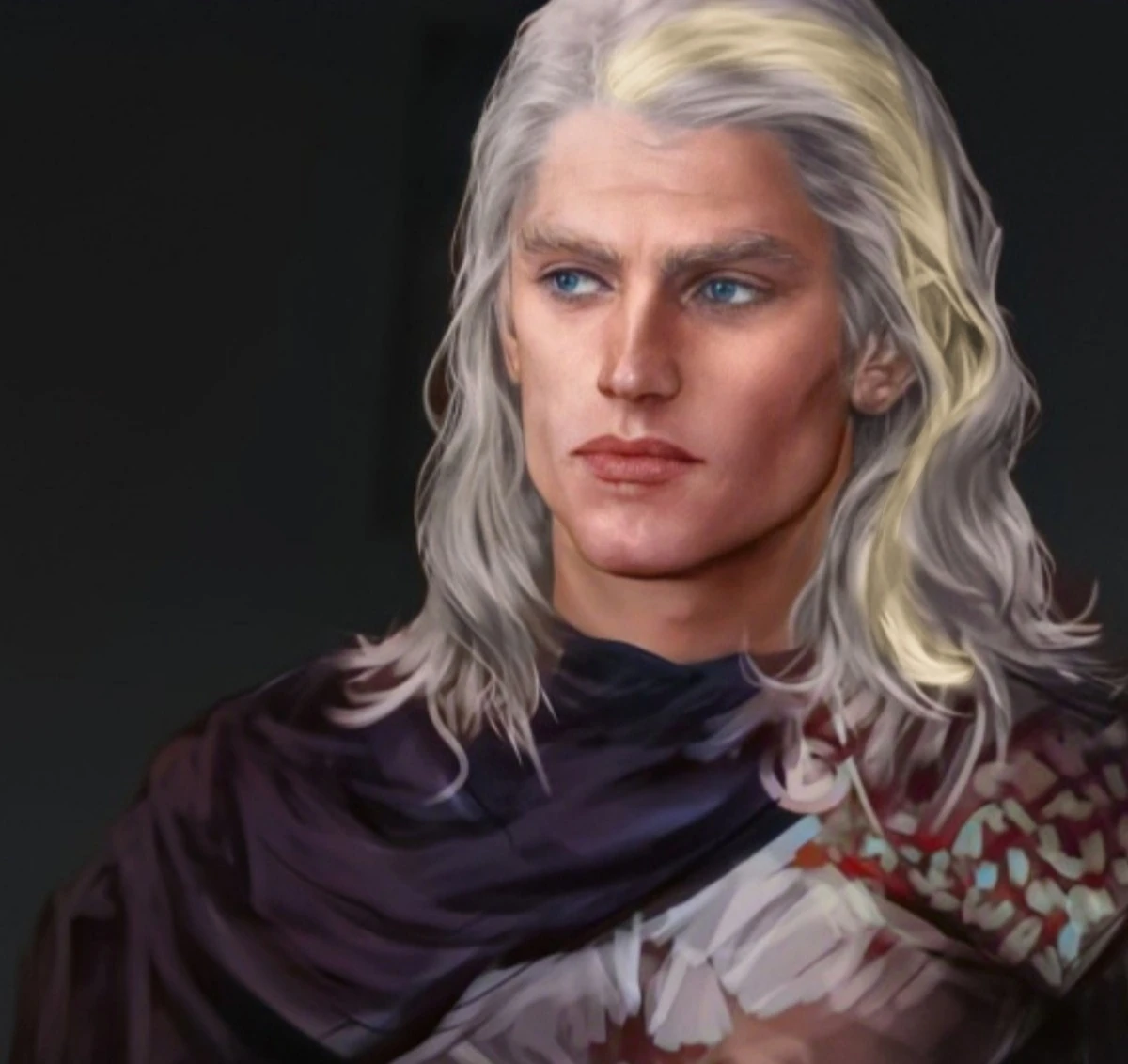
Baelor Targaryen, a significant figure from the rich lore of George R.R. Martin’s ‘A Song of Ice and Fire’ series, serves as a representation of piety and tragedy in Westeros’ tumultuous history. As a member of the illustrious Targaryen family, his reign underscores the complexities of power, faith, and individual morality. Understanding Baelor’s contributions and challenges can offer vital insights into the nature of leadership during the chaotic times of Targaryen rule.
The Reign of Baelor Targaryen
Baelor Targaryen, also known as Baelor the Blessed, ruled as the 14th king of the Targaryen dynasty from 161 AC to 171 AC. His ascension was marked by a return to the Targaryen values of old, with an emphasis on religious devotion that echoed throughout his policies. Baelor’s reign is particularly notable for his attempts to curtail the power of the nobility and his efforts at reconciliation following decades of conflict. However, his deep religious beliefs often led to controversies, particularly concerning his interactions with the Faith Militant, an extremist sect within the Faith of the Seven.
One of the most significant events during Baelor’s reign was the infamous incident known as the “Faith Militant Uprising.” Driven by his commitment to the Faith, Baelor sought to eradicate corruption in his kingdom, resulting in a series of violent confrontations with both the nobility and the common folk. His attempts to impose his strict views of morality and governance ultimately fractured the fragile peace he sought to build.
The Tragic End of Baelor
Baelor Targaryen’s reign came to a sudden and tragic end in the year 171 AC when he died under mysterious circumstances shortly after his marriage to the Targaryen princess, who was believed to be reluctant to tie the knot. Rumors suggest that his death was the result of either a health crisis or foul play motivated by the shifting allegiances and treacheries of his court. His death led to a considerable power struggle, plunging the realm back into chaos, highlighting the precariousness of Targaryen rule.
Conclusion
Baelor Targaryen’s legacy serves as a poignant reminder of both the vital role of personal conviction in leadership and the potential for that same conviction to lead to catastrophic outcomes. His story illustrates the struggle for balance between faith and power, a theme that resonates throughout the history of Westeros. As the realm continues to evolve and new stories unfold within Martin’s universe, Baelor’s life emphasizes the importance of understanding the past to navigate future challenges. His tragic tale leaves readers with reflections on faith, duty, and the often-painful nature of leadership.