Introduction
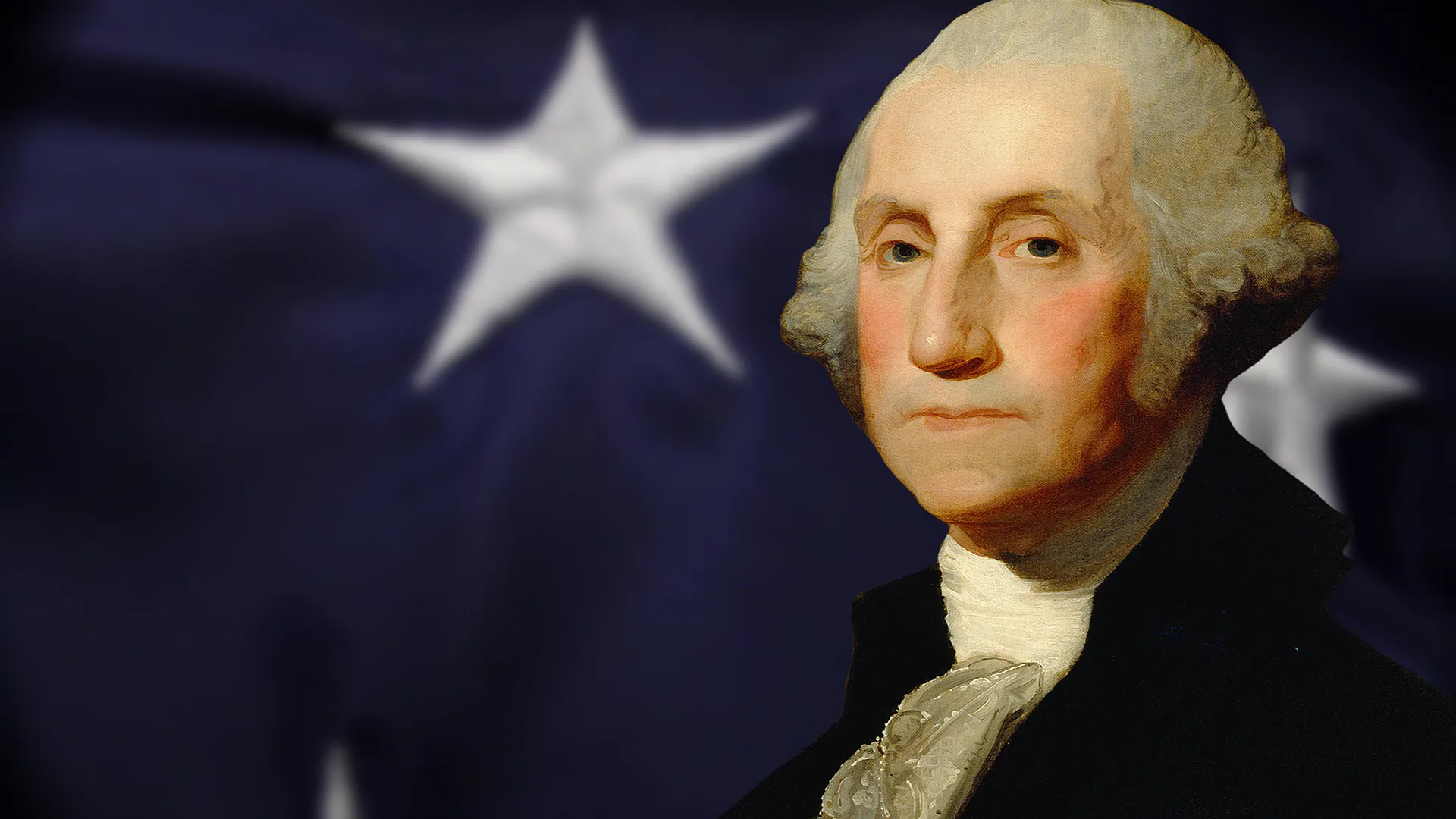
George Washington remains one of the most significant figures in American history, revered as the first President of the United States and a leading figure in the founding of the nation. His leadership during the American Revolutionary War and his pioneering role in shaping the new government established a foundational legacy that continues to impact the United States today.
Early Life and Military Career
Born on February 22, 1732, in Westmoreland County, Virginia, Washington grew up in a wealthy plantation family. He began his career surveying land and quickly rose to military prominence during the French and Indian War. By the time tensions escalated between the American colonies and Great Britain in the 1770s, Washington’s military experience set him up to become the commander-in-chief of the Continental Army in 1775.
Washington faced significant challenges during the Revolutionary War, including limited resources, inexperienced troops, and strategic setbacks. However, his resilience led to key victories, particularly the decisive victory at Yorktown in 1781, which ultimately secured American independence.
Presidency and Governance
After the war, Washington was unanimously elected as the first president, serving two terms from 1789 to 1797. His presidency set many precedents for the office, including the formation of a cabinet and the establishment of a two-term limit. Washington emphasized the importance of national unity and warned against the dangers of political parties in his farewell address.
Cultural Impact and Historical Significance
Washington’s legacy extends beyond his military and presidential achievements. He is often referred to as the ‘Father of His Country’ for his instrumental role in uniting the fledgling states and fostering a sense of national identity. His visage appears on the one-dollar bill and the quarter, and numerous monuments and landmarks across the nation honor his contributions.
Conclusion
George Washington’s influence is deeply intertwined with the core values of democracy and leadership in the United States. As the nation reflects on his contributions, it becomes evident that Washington not only laid the groundwork for the country’s governance but also set a moral compass for future generations of leaders. Understanding his life and legacy continues to inspire discussions on leadership, service, and the importance of unity among citizens. His enduring significance makes him a pivotal figure not only in American history but also in the broader narrative of global leadership.