Introduction
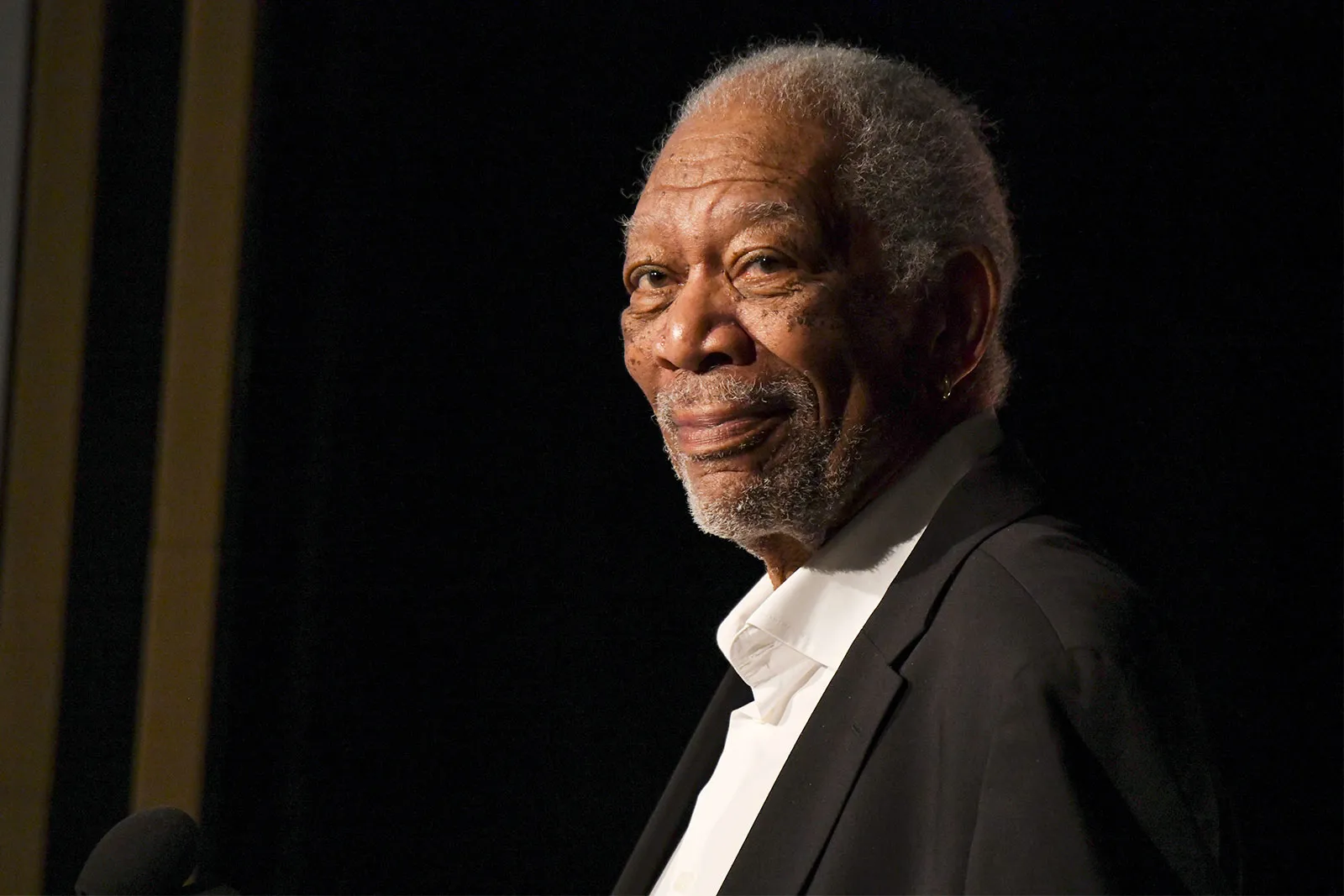
Morgan Freeman, renowned as one of the most talented and versatile actors in the entertainment industry, has captivated audiences for decades. His distinctive voice and powerful performances have made him a beloved figure in film and television, as well as an influential narrator in documentaries. Understanding Freeman’s impact on Hollywood and society is essential given his prominence and continued relevance in contemporary culture.
C career Highlights
Born on June 1, 1937, in Memphis, Tennessee, Freeman began his acting career on stage before transitioning to television and film. He earned recognition in the 1971 film “Who Says I Can’t Ride a Rainbow!” but truly rose to fame with roles in films like “Driving Miss Daisy” (1989), “The Shawshank Redemption” (1994), and “Million Dollar Baby” (2004), the latter of which earned him an Academy Award for Best Supporting Actor.
Freeman’s performances are often characterized by his deep, resonant voice that lends authority and emotion to the characters he portrays. Beyond acting, he has made a significant mark as a narrator, lending his voice to acclaimed documentaries such as “March of the Penguins” (2005) and several others that showcase his ability to enhance storytelling through his vocal talent.
Recent Work and Influence
Freeman’s recent projects include his role in “The Responder” (2022) and an ongoing involvement in various environmental and humanitarian causes, reflecting his commitment to social issues. His work often highlights themes of redemption, hope, and resilience, resonating with audiences worldwide.
Moreover, Freeman was awarded the prestigious Cecil B. DeMille Award at the Golden Globe Awards in 2012, recognizing his lifetime achievements in the film industry and his contributions to American cinema. His impact extends beyond film, as Freeman has also collaborated with the National Geographic Channel, sharing important narratives about science and exploration.
Conclusion
As Morgan Freeman continues to grace screens with his performances and voiceovers, his legacy remains strong. His diverse roles illustrate complex human experiences and evoke empathy in viewers, cementing his place not only as an icon of American cinema but also as a moral voice in storytelling. Freeman’s ability to connect with audiences through his craft and activism will undoubtedly influence generations to come, making him a pivotal figure in both the film industry and societal discussions.