Introduction
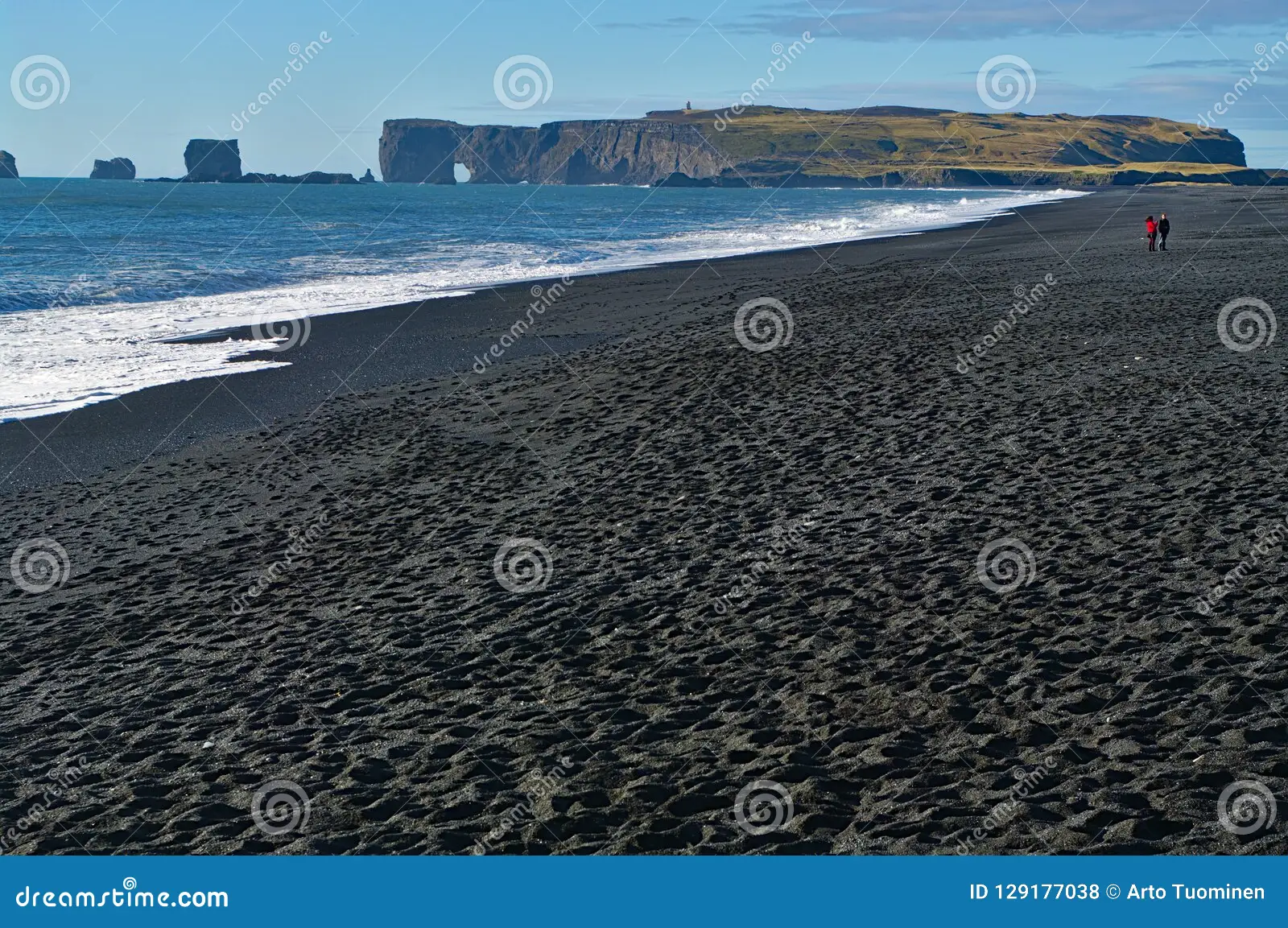
Located on the southern coast of Iceland, Reynisfjara Black Sand Beach is renowned for its striking black sands, dramatic basalt sea stacks, and breathtaking ocean views. This iconic beach attracts thousands of tourists each year, drawn by its unique geological features and stunning landscapes. Understanding the significance of Reynisfjara not only enhances the travel experience but also highlights the natural beauty and ecological diversity of Iceland.
Features of Reynisfjara Black Sand Beach
Reynisfjara is not just famous for its black sand, which is a result of volcanic rock being broken down over centuries, but also for its picturesque surroundings. Visitors are greeted by the formidable Reynisdrangar sea stacks, which rise majestically from the tumultuous Atlantic Ocean. These stacks are steeped in local legend, said to be trolls turned to stone by sunlight. The beach is also lined with unique basalt columns—vertically stacked formations that add an otherworldly quality to the scenery.
Recent Events and Recognition
As eco-tourism continues to grow, Reynisfjara has gained further recognition not just as a tourist spot but as a natural heritage site. In response to increasing foot traffic and environmental concerns, local authorities have implemented new regulations aimed at preserving the fragile ecosystem. Signs have been installed warning tourists to keep a safe distance from the dangerous waves known to cause unpredictable rogue waves. Recent reports indicate that these measures have resulted in a safer environment for both visitors and the unique wildlife that inhabits the area.
Conclusion
Reynisfjara Black Sand Beach is a testament to Iceland’s dramatic landscapes and natural wonders. As interest in sustainable tourism grows, the preservation of such unique locales becomes increasingly important. For travelers, Reynisfjara offers not just stunning views but also a chance to appreciate the geological and cultural significance of this remarkable place. As we move forward, it is vital for visitors to respect the rules and enjoy Iceland’s natural beauty responsibly, ensuring it remains a treasured site for generations to come.