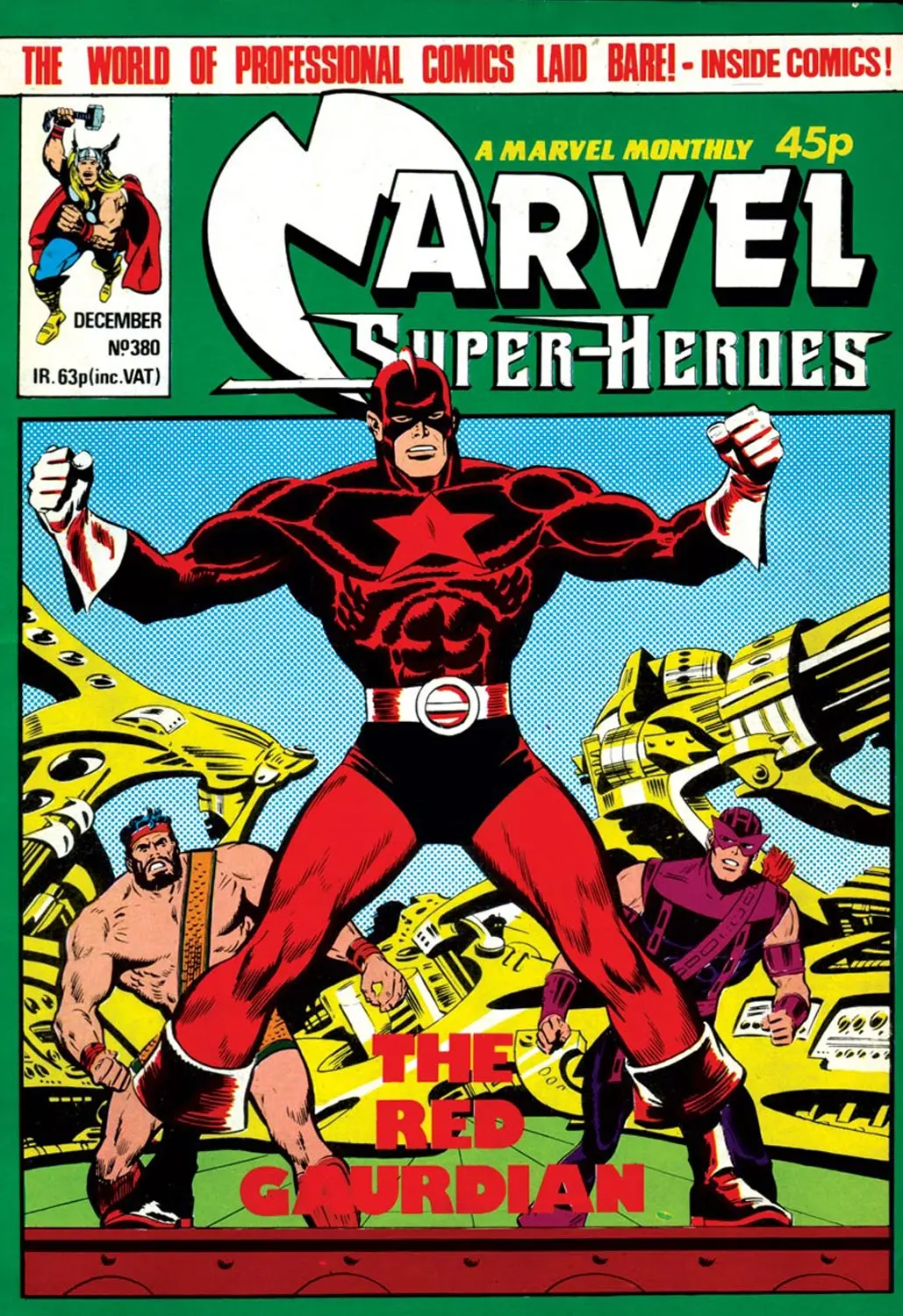
Introduction to Marvel’s Significance
Marvel, a name synonymous with superheroes, has had a profound impact on popular culture since its inception. Founded in 1939, Marvel Comics introduced iconic characters such as Superman, Spider-Man, and Iron Man, reshaping the comic book industry and expanding its reach into film, television, and merchandise. The relevance of Marvel continues to grow, especially with the recent box office successes and the launch of new series on Disney+. This article delves into the overarching influence of Marvel and its current developments.
Recent Developments in the Marvel Universe
In the past year, Marvel has significantly expanded its cinematic universe. The release of “Black Panther: Wakanda Forever” received both critical acclaim and commercial success, proving that Marvel can resonate with audiences even after the passing of Chadwick Boseman. Additionally, the launch of new series like “Ms. Marvel” and the return of fan-favorites in “Loki” have kept the excitement alive among viewers.
As part of its strategy, Marvel is also focusing on diversity and inclusion, introducing new characters that reflect a broader range of backgrounds and experiences. This shift not only enhances storytelling but also aims to attract a wider audience to its franchise. Furthermore, upcoming titles, including “The Marvels” and “Guardians of the Galaxy Vol. 3,” are highly anticipated, with fans eagerly awaiting insights into their plots and character arcs.
The Influence of Marvel on Pop Culture
The impact of Marvel extends far beyond its comics and films. It has become a significant part of the cultural lexicon, with phrases like “Avengers Assemble” and characters like Spider-Man becoming iconic representations of heroism. The franchise has also influenced merchandise, video games, and conventions, changing the way fans engage with their favorite characters and stories.
Moreover, the success of Marvel has inspired other cinematic universes, encouraging studios to develop franchises around superheroes and popular characters. This has led to an increased focus on character development, multi-movie arcs, and fandom engagement.
Conclusion and Future Outlook
As Marvel continues to expand its universe, its potential for future growth appears limitless. With numerous projects in the pipeline, including new films and series that aim to delve into lesser-known characters, Marvel’s influence over pop culture is expected to remain strong. The challenge will be to maintain the same level of storytelling quality while catering to an ever-diversifying audience. As Marvel prepares to celebrate its 85th anniversary in 2024, fans can look forward to exciting new adventures in this beloved universe.