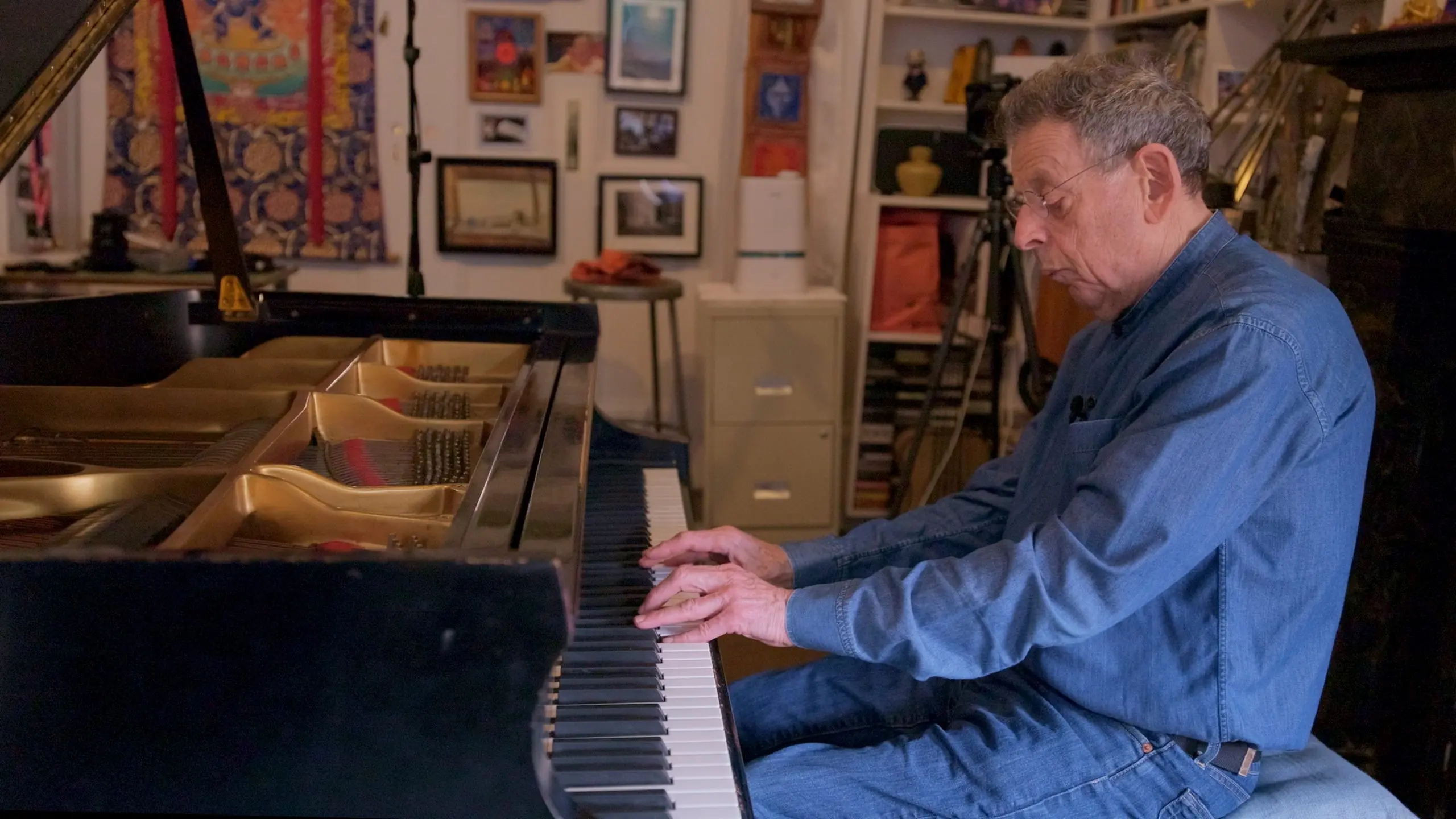
Introduction to Philip Glass
Philip Glass is a name synonymous with contemporary classical music. Known for his revolutionary approach to composition, he has significantly impacted both the realm of opera and film scoring. Born on January 31, 1937, in Baltimore, Maryland, Glass has become a towering figure in the genre of minimalism, attracting audiences worldwide with his unique sound. His work is highly relevant today as new generations discover and explore the profound emotional depth found within simplicity.
Key Works and Achievements
Over a career that spans more than six decades, Glass has written a myriad of operas, symphonies, and chamber works. Among his notable compositions are operas like Einstein on the Beach and Satyagraha, both of which showcase his innovative approach to structure and form. In addition, Glass has composed music for films, with collaborations on works such as The Hours and Koyaanisqatsi, which exhibit a seamless blend of music and visual storytelling.
Glass has also received numerous accolades, including the Golden Globe Award for Best Original Score and the Kennedy Center Honors. His music has been influential not only within the concert hall but also in popular culture, with his pieces appearing in various media, helping shape a broader appreciation for minimalist music.
Recent Developments
In recent months, Glass’s influence continues to flourish. In 2023, he celebrated his 86th birthday by participating in performances across the U.S. and abroad, bringing both old and new works to audiences. Additionally, Glass has been vocal about his reflections on music and the power it holds in addressing social issues, prompting discussions about the role of art in societal change.
Conclusion: The Significance of Philip Glass
Philip Glass’s work transcends genres and continues to resonate with listeners, proving that minimalism can convey vast emotional landscapes. His ability to blend complex themes with accessible music ensures his legacy will endure. As the world navigates changes in culture and technology, the timeless quality of Glass’s work serves as a reminder of the power of music to connect people and evoke deep emotions. Looking ahead, it is expected that Glass will continue to inspire emerging composers and audiences alike while remaining an integral figure in the musical dialogue of our time.