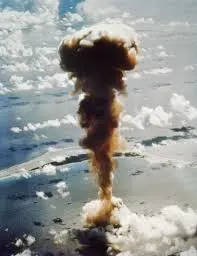
Introduction: Understanding the Importance of Nuclear Testing
Nuclear testing remains a critical issue in international relations and global security. It not only affects geopolitical dynamics but also poses serious health and environmental threats. As countries renew their nuclear ambitions and technological advancements develop, the implications of nuclear testing resonate far beyond scientific and military communities.
Recent Developments in Nuclear Testing
In recent months, nuclear testing has been highlighted due to North Korea’s escalating activities. Pyongyang has consistently defied international sanctions by conducting missile tests and hinting at resuming nuclear tests. The most recent satellite imagery suggests preparations for potential underground nuclear tests, raising alarms among global leaders and security analysts.
In response to these developments, the United States and its allies have reiterated calls for denuclearization and reinforced their military commitments to South Korea and Japan. Tensions have reached new heights, sparking discussions at the United Nations Security Council, where debates have been polarized between nations advocating for diplomatic solutions and those calling for stricter sanctions.
The Impact of Nuclear Testing on Global Health and Environment
Nuclear tests conducted in the past have had long-lasting effects on the environment and public health. The Comprehensive Nuclear-Test-Ban Treaty (CTBT), which aims to establish a global ban on nuclear testing, has not yet been ratified by several key countries, leaving a significant security gap. Independent studies have shown that exposure to radiation from past tests has resulted in increases in cancer rates and other health issues in affected populations.
Furthermore, radioactive debris can contaminate land and water sources, posing risks to both human and animal life. The repercussions of these tests are often felt for generations, raising ethical concerns regarding national security tactics that disregard public health and environmental consequences.
Conclusion: The Future of Nuclear Testing
The complexity of nuclear testing requires ongoing attention from world leaders, scientists, and civilians alike. As geopolitical tensions rise, the significance of nuclear testing is likely to escalate, prompting nations to reassess their positions on nuclear arsenals and testing. While efforts to establish treaties and agreements may provide a cooperative framework for peace, the reality of human conflict and security disparities complicates these noble initiatives.
In this context, readers must remain informed about nuclear developments, as the consequences of inaction are profound. As citizens and global stakeholders, advocacy for sustainable policies will be crucial in mitigating the threats posed by nuclear testing in the future.