Introduction
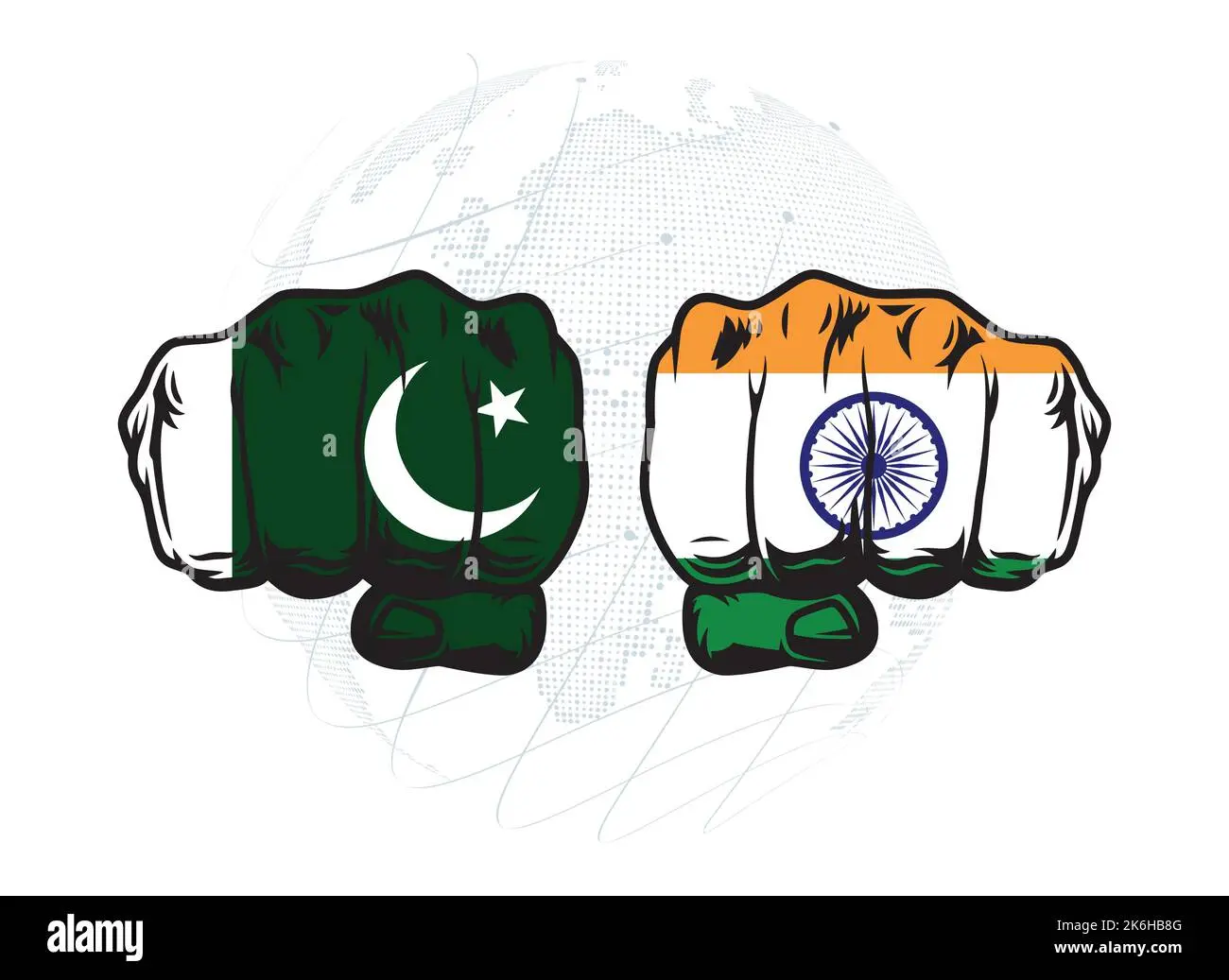
The rivalry between Pakistan and India is one of the most storied and complex duels in the world. Rooted in history, politics, and culture, it stretches across various domains, the most prominent being cricket. The importance of this rivalry extends beyond sports, influencing diplomatic relations and national identities in both countries. The recent tensions and heated matches highlight the ongoing significance of Pakistan vs India in contemporary society.
Historical Context
The roots of the Pakistan-India rivalry can be traced back to the partition of British India in 1947, which resulted in the creation of Pakistan and India. This division led to significant communal violence and has fueled conflicts ever since, including several wars over territory, notably Kashmir. The ongoing dispute over this region remains a catalyst for tension, affecting diplomatic dialogue and mutual perceptions.
Cricket: The Battleground
In the realm of sports, cricket has become the battlefield for national pride. Matches between the two teams are highly anticipated events, often drawing millions of viewers both locally and internationally. In August 2023, during the Asia Cup, India emerged victorious over Pakistan in a thrilling match held in Colombo, reigniting hopes and rivalries. Cricket serves as a metaphor for societal dynamics, representing not just competition, but also the passionate identities of each nation.
Recent Developments
In recent years, the rivalry has intensified, with both nations bolstering their cricketing talents. The emergence of players like Shaheen Afridi from Pakistan and Virat Kohli from India has galvanized fan bases. Off the field, diplomatic dialogues continue, with occasional instances of cricket diplomacy attempting to bridge gaps. However, recent political tensions have made expressing sentiment for sports more complicated, as fans confront the nuances of their emotions tied to national sentiments.
Conclusion
The rivalry between Pakistan and India is unlikely to subside or fade anytime soon. As cricket continues to be a focal point for national pride, the relationship between the two countries remains strained yet intertwined. Future matches and interactions will not only showcase athletic prowess but will also reflect the broader socio-political landscape. For readers, the ongoing developments in this rivalry offer insights into the complexities of regional dynamics, reminding us how sports can mirror society, nationalism, and identity.