Introduction
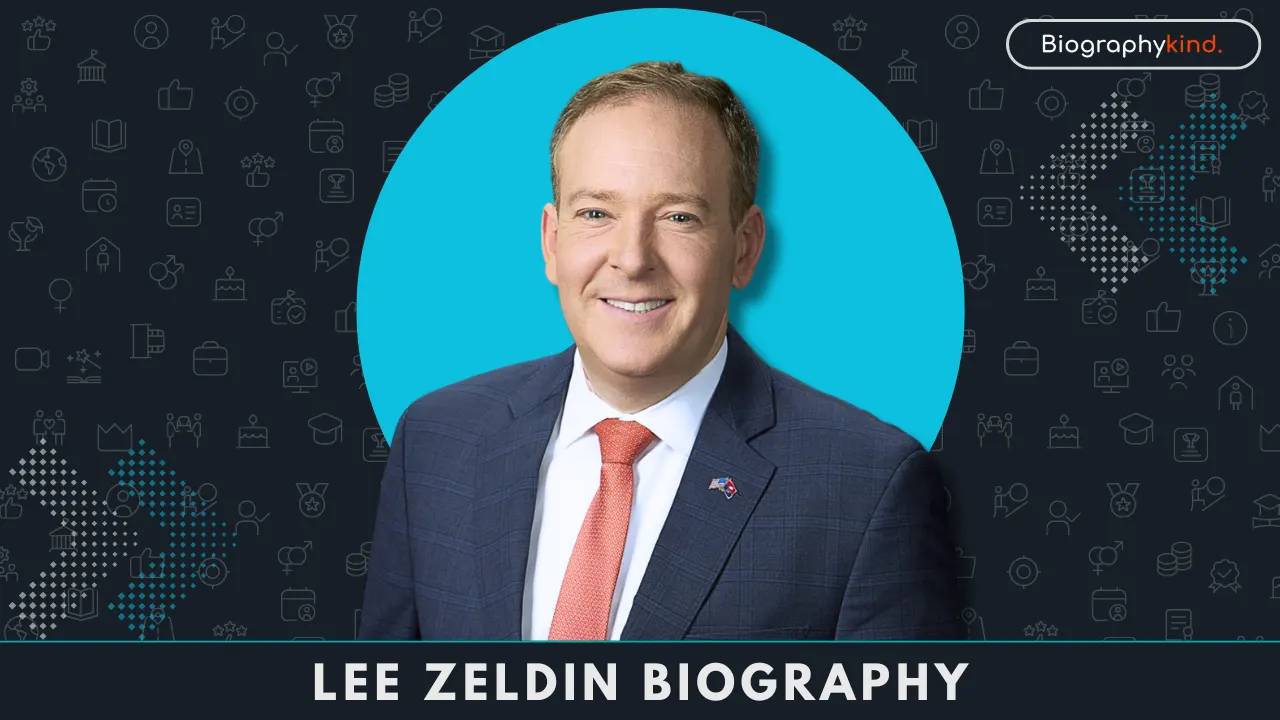
Lee Zeldin, a prominent Republican politician from New York, has garnered significant attention in recent years as a key figure in both state and national politics. His influence has been especially felt during the recent gubernatorial elections in New York, making him a subject of interest for both supporters and critics alike. Zeldin’s rise in the political sphere raises questions about the future of the Republican Party in the state and the broader implications for the 2024 elections.
Zeldin’s Political Career
Lee Zeldin began his political career in 2010 when he was elected to the New York State Assembly. He quickly made a name for himself as a staunch conservative voice, advocating for tax cuts, less government regulation, and second amendment rights. In 2014, he transitioned to national politics, winning a seat in the U.S. House of Representatives, where he has served since. During his time in Congress, Zeldin has aligned himself with the more hardline aspects of the Republican Party and has been a vocal supporter of former President Donald Trump.
2022 Gubernatorial Election
Zeldin’s most notable recent endeavor was his campaign for Governor of New York in 2022, where he aimed to unseat incumbent Democrat Kathy Hochul. Campaigning on issues such as crime, taxes, and the economy, Zeldin energized many Republicans who felt sidelined in a predominantly Democratic state. Despite a vigorous campaign and significant fundraising, Zeldin ultimately lost to Hochul, but he secured a larger share of the vote for a Republican candidate than in previous elections. This outcome demonstrated a shifting political landscape in New York and underscored Zeldin’s influence.
Current Developments and Future Prospects
As of 2023, Lee Zeldin continues to be an active figure in the Republican Party, advocating for key party policies while also hinting at potential future runs for office. He remains a vocal critic of the current administration’s policies, particularly regarding crime and economic issues. Observers speculate that Zeldin may consider another gubernatorial bid or even a run for higher office, such as a seat in the U.S. Senate, given the evolving political climate in New York.
Conclusion
Lee Zeldin’s political career reflects the complexities of the current Republican Party in New York and elsewhere in the U.S. As we progress into 2024, his actions and decisions will be closely monitored by political analysts and voters alike. The significance of Zeldin’s influence cannot be understated; he represents a faction of the Republican Party striving to reclaim lost ground in traditionally blue states. For readers, understanding Zeldin’s political maneuvers may provide insight into future electoral outcomes and the direction of U.S. politics.