Introduction
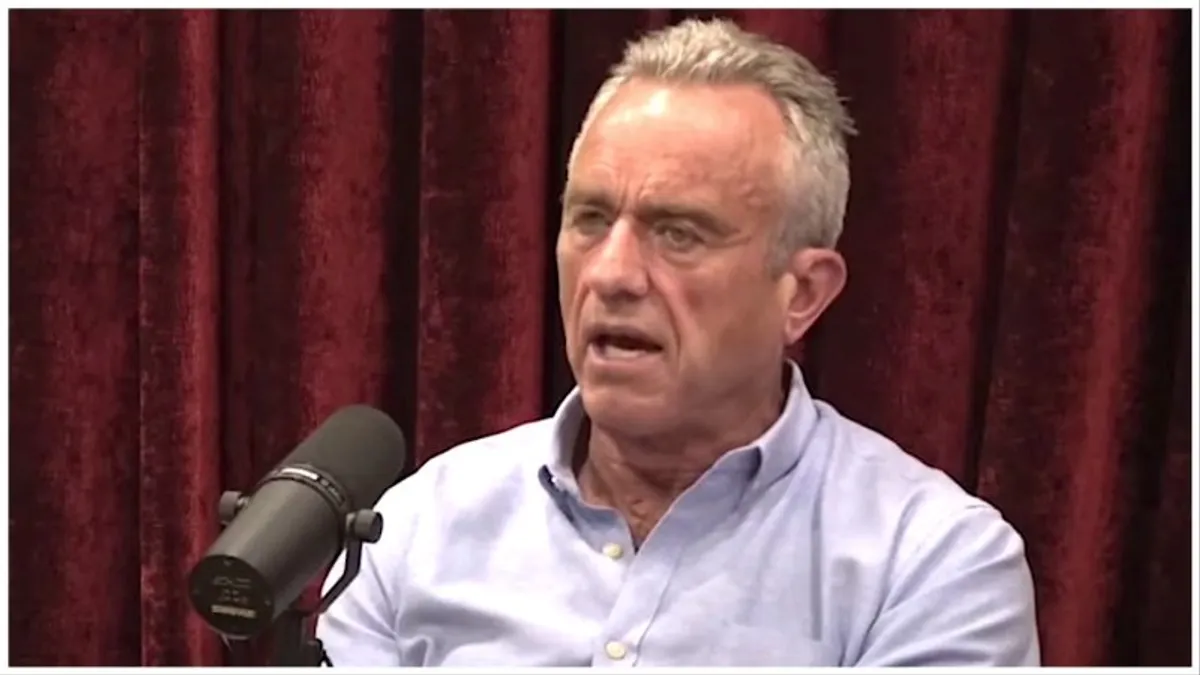
Robert F. Kennedy Jr., commonly known as RFK Jr., has emerged as an influential figure in American politics, particularly following his declaration as a presidential candidate.
His candidacy has gained momentum due to his advocacy on various controversial issues, making him a notable contender in the upcoming election cycle. Understanding RFK Jr.’s significance in the current political landscape is essential for voters who wish to engage with the evolving nature of U.S. politics.
Background and Political Activism
RFK Jr. is the son of the late Senator Robert F. Kennedy and the nephew of President John F. Kennedy. A prominent attorney and environmental activist, he has made a name for himself through his work on environmental issues and public health. His stance against certain vaccination policies sparked significant debate, garnering both support and criticism from diverse audiences.
In April 2023, he officially announced his campaign for the presidency, running as a Democrat. His platform includes a mix of progressive ideals, civil liberties, and environmental sustainability, resonating with a constituency that seeks alternatives to mainstream political narratives.
Recent Developments
As the campaign has progressed, RFK Jr. faced the challenges typical of a modern political candidate, such as navigating media scrutiny and establishing a robust fundraising strategy. His views on public health, particularly in the wake of the COVID-19 pandemic, have drawn significant attention on social media and from news outlets. In early October 2023, he participated in various debates and town halls, where he emphasized the importance of transparency in government and his opposition to corporate influence on politics.
Public Reception
RFK Jr.’s political ambitions have elicited mixed reactions. While he has amassed a loyal following drawn to his authenticity and commitment to issues such as environmental justice, many mainstream Democratic leaders remain skeptical of his controversial stands. Polls indicate that while he has a solid base among independent voters, he could face challenges in securing the Democratic nomination against established figures. His campaign strategy appears to focus on attracting both disillusioned Democrats and Republicans who are seeking change.
Conclusion
As RFK Jr.’s campaign progresses, his unique blend of activism and political legacy serves as a reminder of the complexities within American politics. Whether he can bridge the divide between various voter groups remains to be seen, but his presence in the 2024 presidential race is shaping up to be significant. Depending on how his campaign evolves, RFK Jr. may redefine conversations around political integrity and public health for a new generation of voters. Those interested in the unfolding political landscape should closely monitor his developments as the election approaches.