Introduction
Hillary Clinton, a name synonymous with American politics, has become a significant figure in shaping the political landscape of the United States. As the first woman to be nominated for president by a major U.S. political party in 2016, her journey has been marked by both achievements and controversies. Understanding her role is crucial as it reflects shifting dynamics in gender, power, and policy in the nation.
Clinton’s Political Journey
Hillary Clinton’s political career began in the late 20th century as a lawyer and First Lady of Arkansas, showcasing her commitment to healthcare and education. She rose to national prominence in the 1990s while serving as First Lady of the United States, advocating for women’s rights and children’s welfare on global platforms.
In 2000, Clinton was elected as the Senator from New York, where she earned respect for her work on post-September 11 recovery efforts and her role in developing health care and military policies. Following her Senate career, she served as Secretary of State from 2009 to 2013 under President Barack Obama. This role highlighted her influence in foreign policy, particularly during the Arab Spring and the U.S. response to the Syrian civil war.
2016 Presidential Campaign
Clinton’s 2016 presidential campaign was historic, focusing on issues such as income equality, healthcare reform, and women’s rights. Despite winning the popular vote by nearly 2.9 million votes, she lost the Electoral College to Donald Trump, sparking debates about election integrity and the effectiveness of the electoral system.
Recent Developments
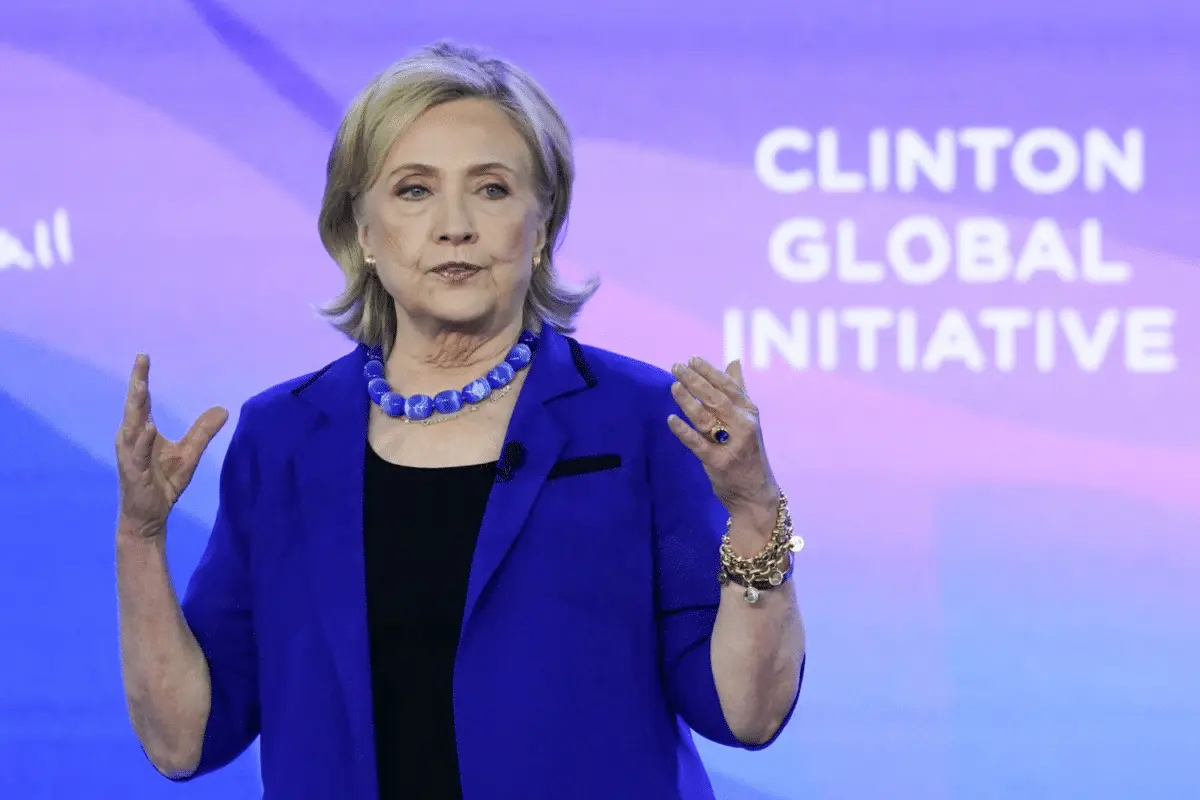
In recent months, Clinton has remained an active voice in political discourse. She has engaged in public speaking across various platforms and has authored books detailing her experiences in politics and advocacy. In addition, her critiques of the current administration on issues like women’s rights and foreign policy continue to resonate, garnering both support and criticism.
Conclusion
The legacy of Hillary Clinton extends beyond her individual achievements; it reflects the broader shifts in American politics regarding gender and leadership. As we move toward the 2024 elections, her insights and experiences provide valuable lessons about resilience, the importance of representation, and the ongoing struggle for equitable policies. The impact of her career will continue to shape political discourse and inspire future generations of leaders.