Introduction
Hillary Clinton has long been a prominent figure in American politics, gaining international recognition not only as a former First Lady but also as a U.S. Senator, Secretary of State, and a two-time presidential candidate. Her journey has shaped discussions on women’s rights, health care, and foreign policy. As the first woman to be nominated for president by a major U.S. political party in 2016, her influence extends well beyond the electoral outcomes, making her a pivotal character in the ongoing narrative of American governance and female representation in politics.
Recent Events and Developments
In the wake of the 2020 elections and the Biden administration’s efforts to navigate numerous challenges, Clinton’s voice continues to resonate within political circles. Recently, she has been an outspoken advocate for women’s rights, emphasizing the importance of protecting reproductive rights amid ongoing legislative threats in several states. Alongside her public advocacy, she continues to engage with issues such as climate change and democratic engagement.
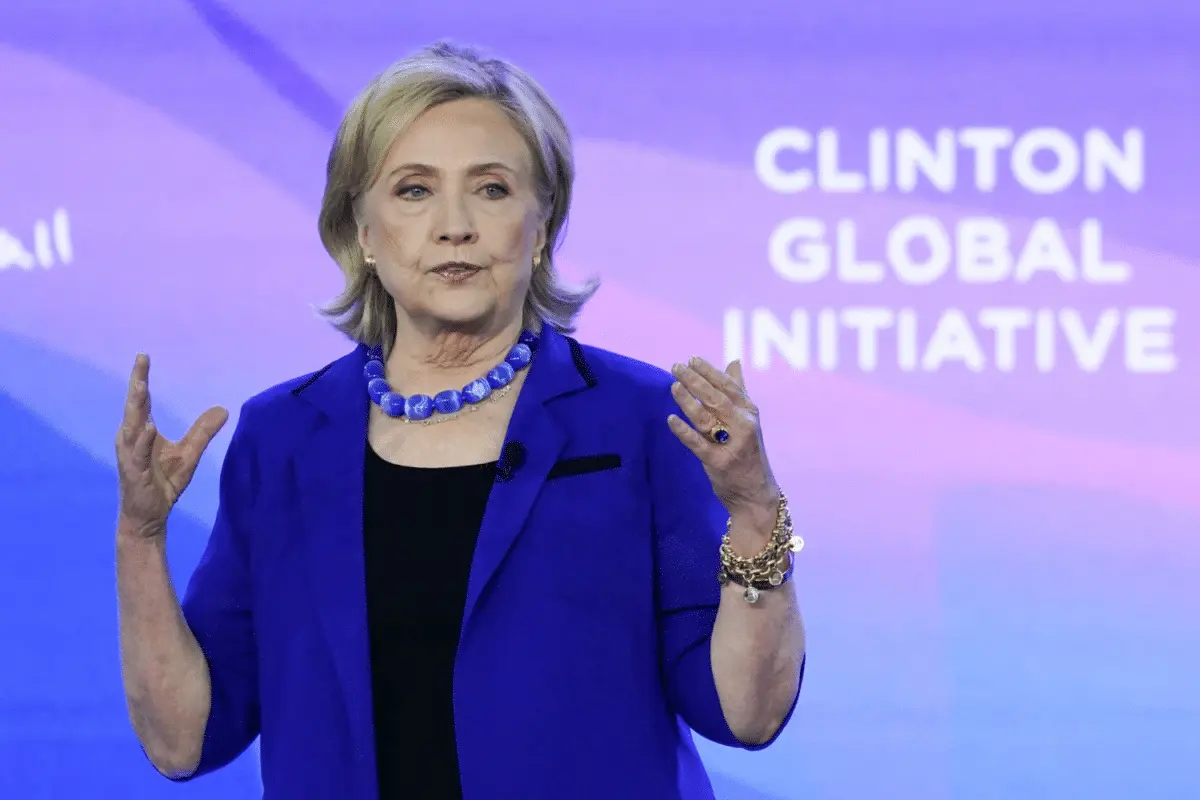
Throughout 2023, Clinton has participated in various forums and media engagements, reflecting on her political career and discussing the implications of recent elections. Her analysis of the shifting political landscape, particularly regarding the resurgence of populism and misinformation in politics, has garnered attention from both supporters and critics, reaffirming her role as a key commentator on contemporary political issues.
Impact and Conclusion
Hillary Clinton’s impact on American politics is multifaceted. Her candidacy for president in 2016 brought issues such as gender equality and access to health care to the forefront of political discourse. As discussions on these issues evolve, Clinton remains a crucial figure in advocating for policies that seek to empower women and ensure equitable healthcare for all citizens.
Looking ahead, Clinton’s continued engagement in politics underscores her commitment to advancing causes she has championed throughout her career. As she influences the next generation of leaders, her legacy serves as a reminder of the ongoing struggle for representation and equity in American politics. Readers can expect her to remain an active voice as political dynamics continue to evolve in the coming years, signaling both challenges and opportunities for future policy-making.