Introduction
The Quran, regarded as the holy book of Islam, holds profound significance for over a billion Muslims globally. Its teachings guide the moral, spiritual, and legal aspects of life for its followers. Understanding the Quran is not only crucial for Muslims but also offers insight into the culture, philosophy, and history of Islamic civilization.
Overview of the Quran
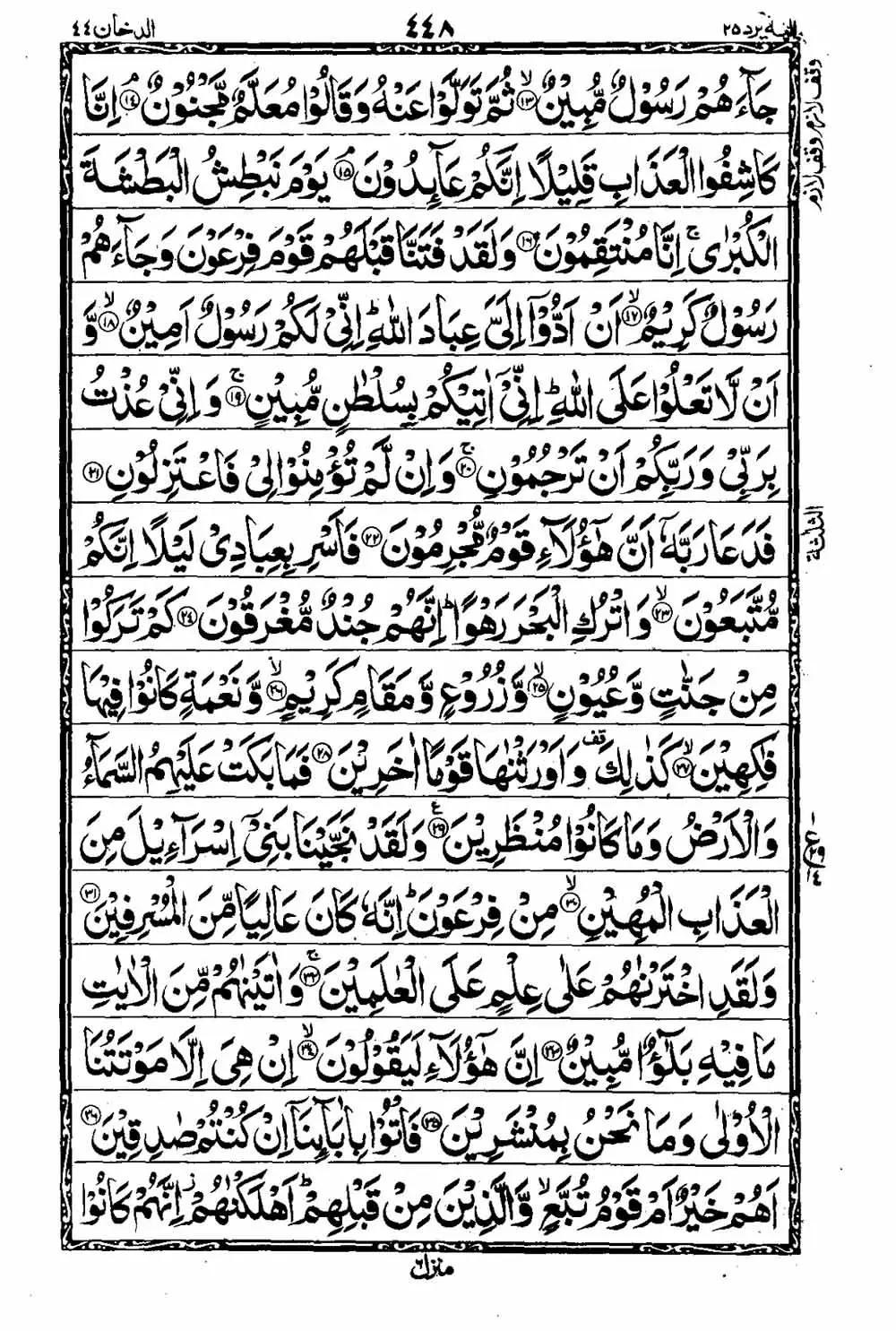
Believed to be the word of God as revealed to the Prophet Muhammad over 23 years, the Quran was written in classical Arabic. It is divided into 114 chapters, known as Surahs, which vary in length and address various themes, including justice, compassion, mercy, and guidance for personal conduct. The Quran also serves as an essential reference for Islamic law (Sharia) and ethics.
Modern Relevance
In contemporary society, the Quran continues to be a source of guidance, comfort, and inspiration for Muslims around the world. Recent events, including the rise of Islamophobia, have prompted many to turn to the Quran for understanding, striving to counter misconceptions about Islam through education and community engagement. Interfaith dialogues often utilize Quranic teachings to build bridges between different religions, highlighting common values and shared humanity.
Scholarly Interpretations
Across centuries, scholars have devoted their lives to studying the Quran, leading to a proliferation of interpretations and commentaries. These variations allow readers from diverse backgrounds to understand and contemplate its messages deeply. Islamic scholars emphasize the importance of context in interpretation, considering historical, linguistic, and cultural factors. This scholarly work remains vital today as new challenges and societal changes arise.
Conclusion
The Quran not only serves as a religious text but also as a crucial element in the complex tapestry of global cultures. Its teachings influence ethical discourse, social justice movements, and personal introspection across varied communities. As discussions about the Quran continue to evolve, it resonates deeply with both believers and non-believers, fostering understanding and respect vital in today’s multicultural world. Engaging with the Quran can encourage mutual dialogue and enhance intercultural connections, illustrating its timeless relevance.