Introduction
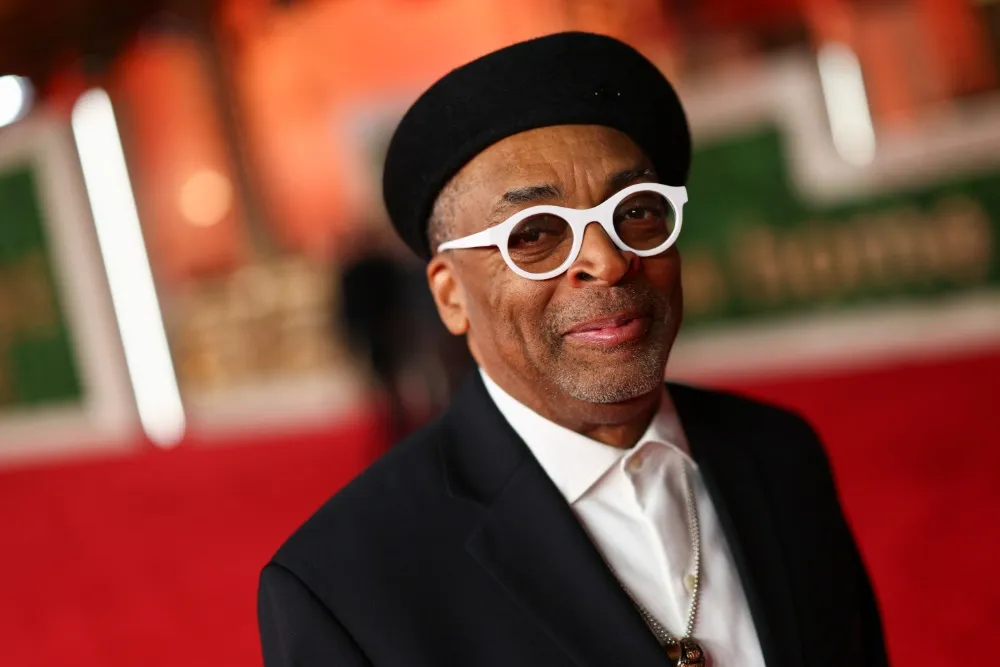
Spike Lee is one of the most influential figures in contemporary cinema, with a career spanning over three decades. Known for his provocative storytelling and distinctive style, Lee has transformed the landscape of filmmaking, using his platform to address critical social and political issues. As his works gain renewed attention amidst discussions of racial equality and representation in media, it is essential to explore his contributions to film and culture.
Early Life and Career
Born Shelton Jackson Lee on March 20, 1957, in Atlanta, Georgia, Spike Lee grew up in a family that encouraged artistic expression. He graduated from Morehouse College before earning a master’s degree in film production from New York University’s Tisch School of the Arts. Lee’s debut feature film, She’s Gotta Have It (1986), marked the beginning of his impressive career and showcased his unique voice that could not be ignored.
Key Works and Achievements
Spike Lee’s filmography includes groundbreaking films such as Do the Right Thing (1989), which tackled issues of race relations in America, and Malcolm X (1992), a biopic that brought the life of the civil rights leader to mainstream audiences. His ability to weave personal narratives with broader social commentary has made his films both entertaining and thought-provoking. Lee has received numerous accolades, including an Academy Award for Best Adapted Screenplay for BlacKkKlansman (2018), further solidifying his status as a cinematic visionary.
Recent Developments
In 2023, Spike Lee has continued to be a vocal advocate for social justice and equality. He has engaged in public discourse around police brutality and the Black Lives Matter movement, encouraging young filmmakers and creators to speak out through their art. Recently, he has collaborated with various organizations to support upcoming filmmakers, ensuring that diverse voices are represented in the industry.
Conclusion
The significance of Spike Lee’s body of work lies not only in his artistic achievements but also in his commitment to using film as a means of social change. As discussions about race, identity, and representation continue to evolve, Lee’s impact remains crucial. His films challenge audiences to confront uncomfortable truths and inspire a new generation of storytellers. With ongoing projects in the pipeline, Spike Lee’s legacy as a filmmaker and cultural commentator is set to endure, maintaining its relevance for years to come.