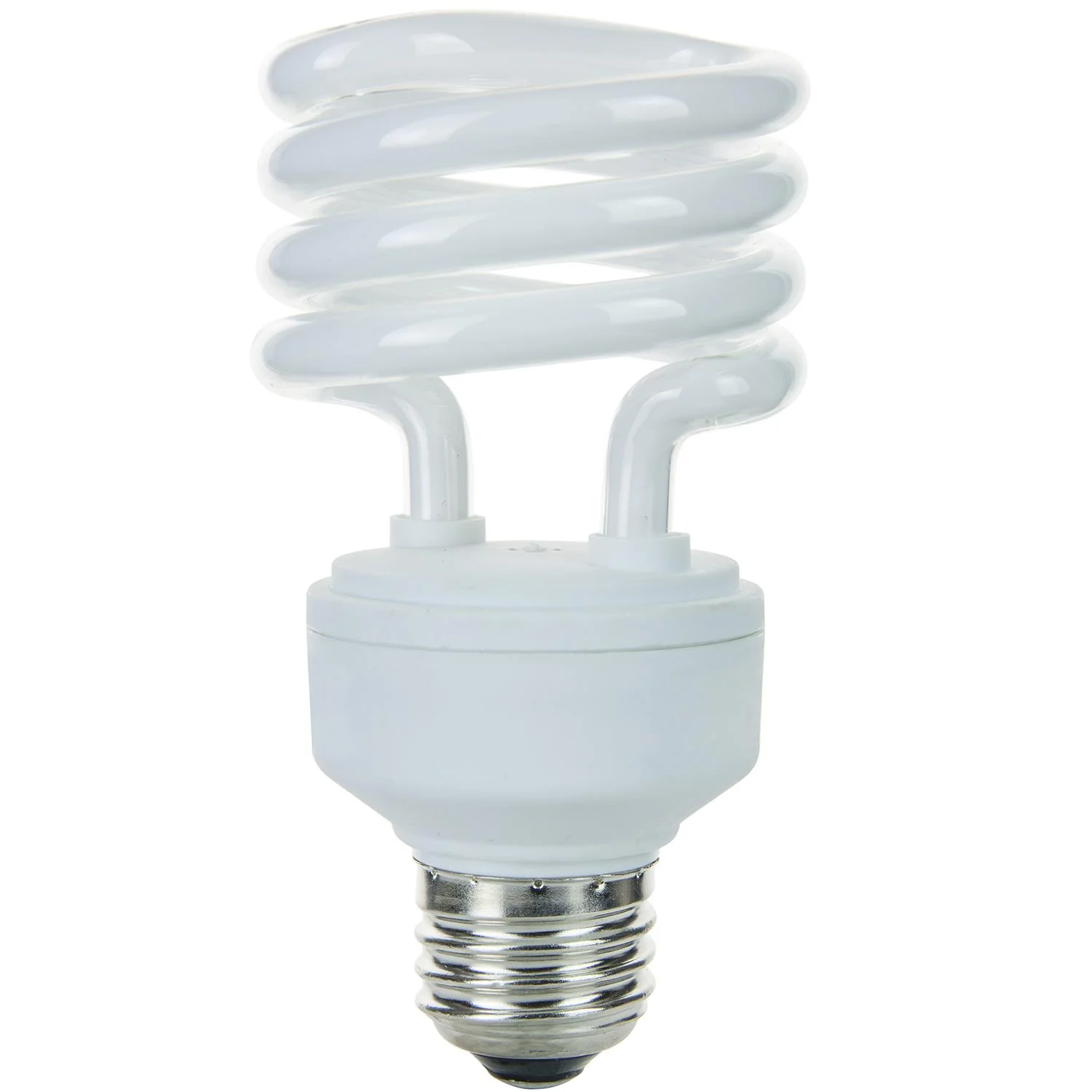
Introduction to CFL Technology
Compact Fluorescent Lamps (CFLs) represent a significant advancement in lighting technology that has transformed the way households and businesses illuminate their spaces. CFLs are known for their energy efficiency and longevity compared to traditional incandescent bulbs. As concerns over energy consumption and environmental impact continue to grow, understanding CFL technology and its benefits has never been more relevant.
The Mechanics of CFLs
CFLs work by passing an electric current through a gas-filled tube. This process creates ultraviolet light, which then excites a fluorescent coating on the inside of the tube, producing visible light. A CFL uses about 75% less energy than incandescent bulbs and lasts approximately 10 times longer, making them a cost-effective and eco-friendly lighting solution.
Recent Developments and Trends
In recent years, the adoption of CFLs has increased significantly as manufacturers innovate to produce bulbs that not only consume less energy but also provide better light quality. Energy Star, a program initiated by the U.S. Environmental Protection Agency, has endorsed many new CFL models that meet stringent quality and efficiency criteria. A 2023 report by the U.S. Department of Energy noted that the use of CFLs can save consumers over $100 per bulb over its lifetime due to reduced energy costs.
Environmental Impact
The shift from incandescent bulbs to CFLs has notable environmental benefits. A study from the National Renewable Energy Laboratory estimates that increased CFL usage has the potential to reduce carbon dioxide emissions significantly, contributing to efforts against climate change. Despite concerns regarding mercury in CFLs, manufacturers have improved recycling and safe disposal methods, further mitigating environmental risks.
Conclusion and Future Outlook
As more consumers and businesses look for sustainable lighting solutions, CFL technology plays a crucial role in the future of energy-efficient lighting. While LED bulbs have gained popularity as the next step in energy-efficient lighting, CFLs remain an important option, especially in markets where cost is a significant concern. The trend indicates that as awareness grows, CFL adoption will continue to rise, presenting both economic and environmental advantages for users across the globe.