Introduction
Basketball has long been an integral part of American sports culture, and in New Hampshire, it is experiencing a revitalization that is noteworthy. The importance of basketball in New Hampshire extends beyond the court; it plays a crucial role in community engagement, youth development, and even the economy. As local programs flourish and the state gains recognition for its talent, understanding the dynamics of New Hampshire basketball becomes essential.
The Growth of Basketball in New Hampshire
In recent years, New Hampshire basketball has seen a surge in popularity at both high school and youth levels. According to the New Hampshire Interscholastic Athletic Association (NHIAA), there are over 100 high schools participating in competitive basketball. The state’s tournaments, particularly the NHIAA Championship, draw considerable attention, showcasing the skills and competitiveness of local players.
Local youth programs have also gained traction, with various organizations providing training and development for aspiring athletes. Initiatives such as “Hoops for Hope” are not only aimed at skill enhancement but also focus on instilling values like teamwork, perseverance, and leadership. This grassroots level has sparked interest among parents and guardians, creating a supportive environment around the sport.
Key Events and Milestones
One of the standout events for New Hampshire basketball is the annual Division I State Championship, which brings together some of the best high school teams in the state. In 2023, the championship saw an impressive turnout with approximately 5,000 fans attending, marking a 20% increase from the previous year. This reflects the growing enthusiasm and support for basketball within the state.
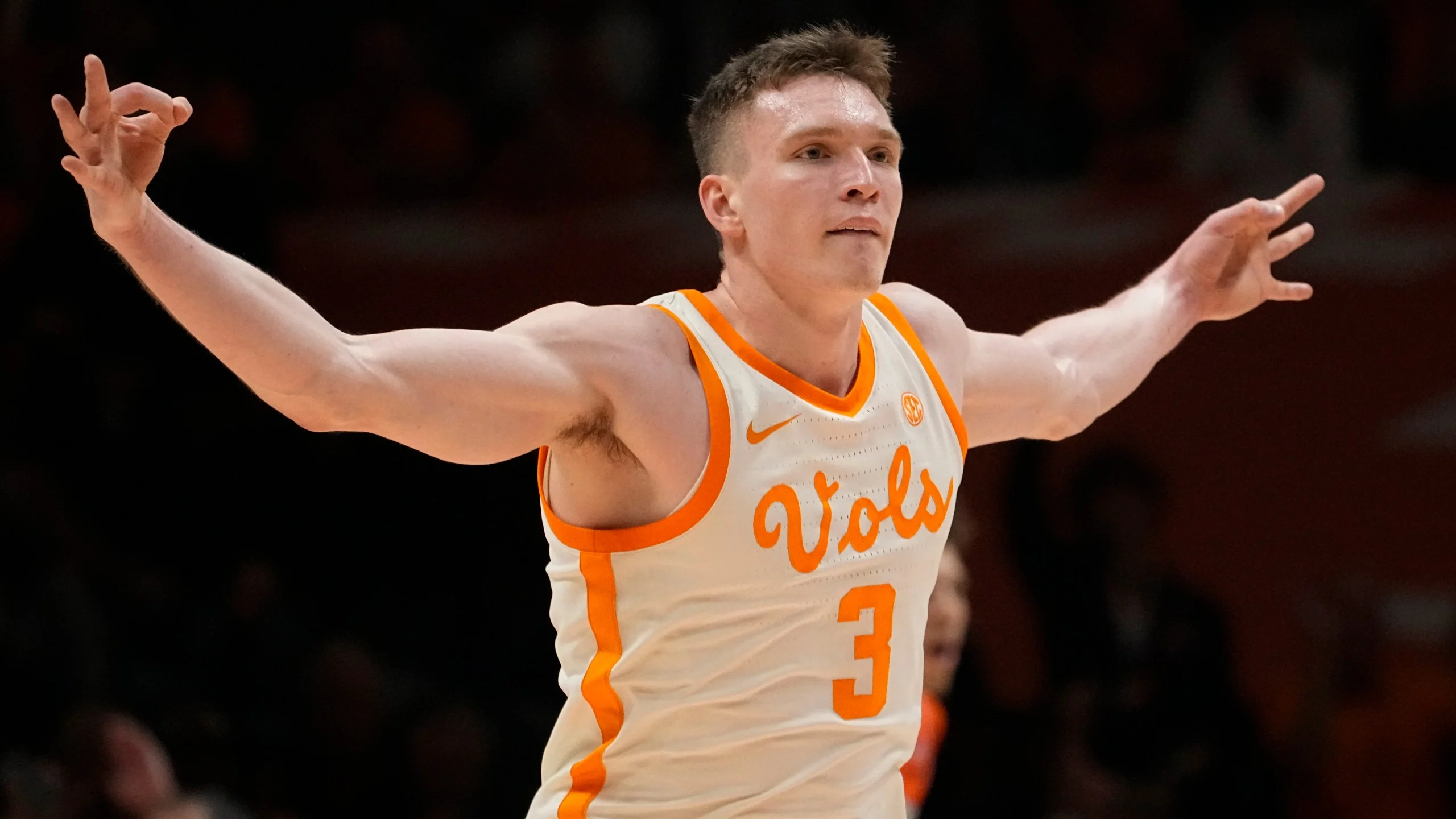
Additionially, New Hampshire is witnessing a trend of players going on to compete at higher levels, including college scholarships and AAU (Amateur Athletic Union) basketball. Notable athletes who have emerged from New Hampshire include Alonzo Keels, who recently secured a spot on a Division I team, illustrating the potential talent that can emerge from the state.
Conclusion and Future Outlook
The future of basketball in New Hampshire appears bright, with increasing participation rates and community support. As local programs continue to evolve and attract young talents, there’s optimism that the state will eventually produce players who excel on national platforms. Moreover, with collaborative efforts between schools and sports organizations, basketball can significantly contribute to youth development.
For readers interested in supporting or getting involved, there are various ways to engage with local programs, attend games, or even volunteer. By fostering an environment of support and encouragement, New Hampshire basketball can continue to thrive and impact future generations positively.