Introduction to Blockchain Technology
Blockchain technology is transforming various sectors by providing a decentralized and secure method of recording transactions. Its relevance has surged in recent years, primarily due to its application in cryptocurrencies like Bitcoin and Ethereum. The need for better security and transparency in financial systems, supply chains, and even voting mechanisms has highlighted the importance of blockchain.
Current Developments in Blockchain
As of 2023, blockchain technology continues to evolve, with numerous updates in its application across different fields. Major corporations are increasingly adopting blockchain for transparency and efficiency. For example, companies in the supply chain industry are implementing blockchain to improve traceability, allowing consumers to track the origin of products. Furthermore, financial institutions are exploring blockchain for streamlining cross-border payments, significantly reducing transaction costs and time.
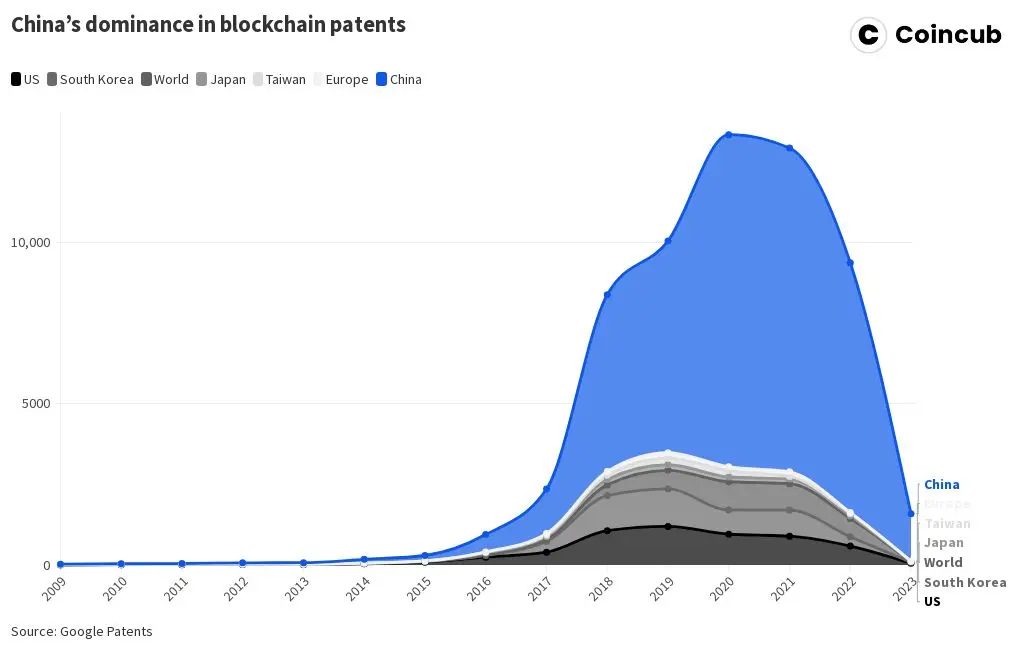
Governments are also recognizing the potential of blockchain. Countries like the United States and China are researching blockchain for implementing digital currencies, which could further stabilize their economies by providing secure and efficient transaction methods. Moreover, new platforms for decentralized finance (DeFi) are emerging, enabling users to engage in lending, borrowing, and trading without the need for intermediaries.
Challenges and Future Outlook
Despite its advantages, blockchain technology faces challenges, including scalability, security vulnerabilities, and regulatory issues. As blockchain adoption increases, so does the scrutiny from regulatory bodies seeking to protect consumers and maintain financial stability. Addressing these concerns while fostering innovation will be crucial for the future growth of blockchain.
Looking ahead, blockchain technology is poised to play a significant role in the digital economy. Industries are forecasting increased investment in blockchain research and development, enabling more sophisticated applications to emerge. As awareness of its capabilities spreads, blockchain is expected to revolutionize how we conduct business, interact socially, and manage personal data, making digital transactions more secure and traceable.
Conclusion
In conclusion, blockchain technology is not just a trend but a foundational element that has the potential to redefine numerous sectors worldwide. For individuals and businesses alike, understanding and embracing blockchain will be pivotal in navigating the rapidly advancing digital landscape. Its evolution will undoubtedly impact our daily lives, enhancing our ability to securely manage information and conduct transactions.