Introduction
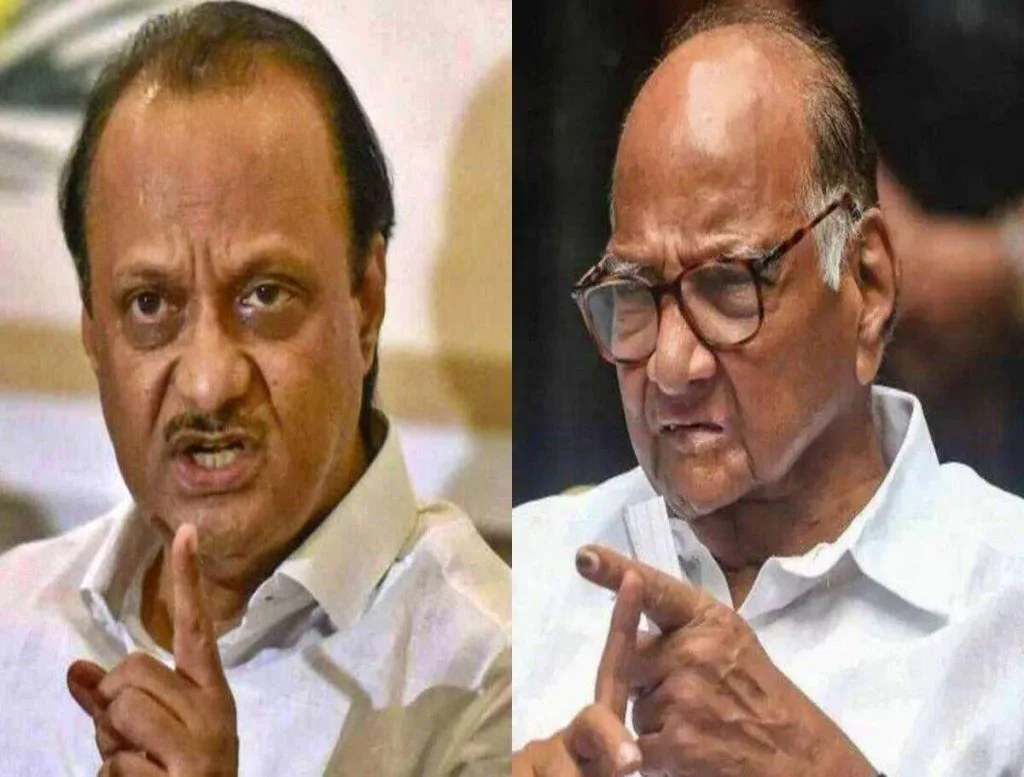
Ajit Pawar, a prominent politician in Maharashtra, has been a significant figure in Indian politics for decades. As the Deputy Chief Minister of Maharashtra and a leader of the Nationalist Congress Party (NCP), his decisions and political maneuvers carry considerable weight in shaping the state’s governance and policies. Recent events surrounding Ajit Pawar have sparked discussions about his influence and the future direction of Maharashtra’s political landscape.
Recent Developments
As of October 2023, Ajit Pawar created waves by aligning with the Bharatiya Janata Party (BJP), which has raised eyebrows among his party members and Maharashtra’s political observers. Pawar’s move is seen as a strategic attempt to consolidate power and ensure his relevance in the evolving political climate following the 2024 state elections. Analysts indicate that this shift may lead to significant realignment of political alliances in Maharashtra, impacting the dynamics between traditional rivals.
During his recent speeches, Ajit Pawar has emphasized the need for economic stability and development in Maharashtra, seeking to position himself as a leader who prioritizes the state’s progress. His focus on infrastructure projects and addressing farmers’ issues resonates well with the electorate, which may bolster his standing in the upcoming elections.
The Political Impact
The implications of Ajit Pawar’s alliances and strategies are multifaceted. His relationship with the BJP marks a pivotal point in Maharashtra’s coalition politics. Polling experts suggest that if Pawar successfully navigates this partnership, it could potentially enhance the BJP’s foothold in the state while simultaneously elevating Pawar’s influence amidst his critics and party factions. Conversely, if the alliance fails to yield positive outcomes, it may open the floodgates for dissent within the NCP and trigger a reevaluation of alliances among opposition parties.
Conclusion
As Maharashtra heads towards crucial elections, Ajit Pawar’s political maneuvers will undoubtedly be a focal point for both supporters and opponents. His ability to balance alliances, address pressing state issues, and maintain party unity will determine not only his political future but also the larger framework of Maharashtra politics. Observers suggest that Pawar’s next moves will be instrumental in defining the state’s trajectory as it prepares for the challenges ahead. With elections on the horizon, all eyes will remain keenly fixed on Ajit Pawar and the decisions that may shape Maharashtra’s destiny.