Introduction
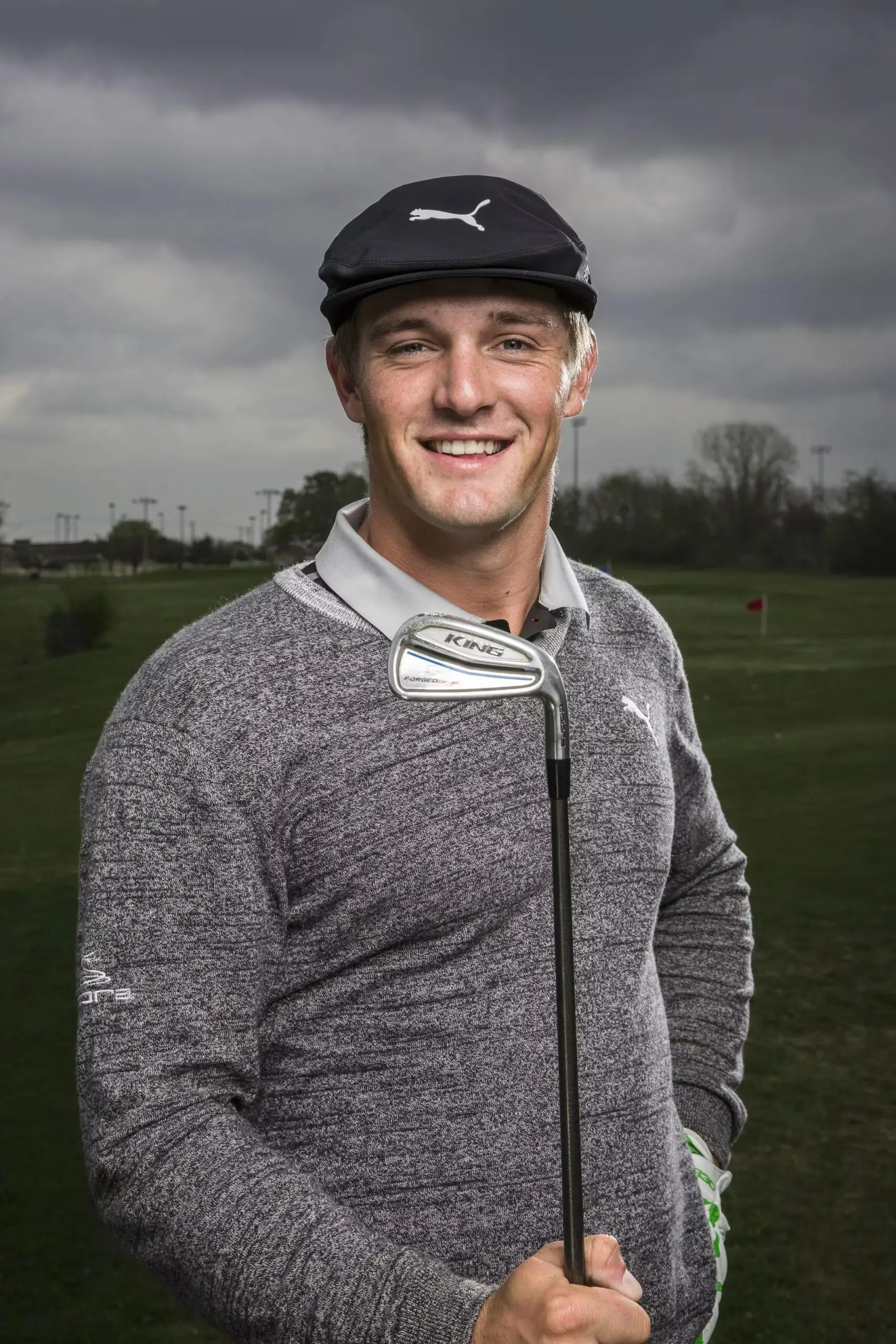
Bryson DeChambeau has become a significant figure in professional golf, not only for his impressive results on the course but also for his innovative approach to the game. Known for combining physics with golf, DeChambeau has reached new heights in a sport traditionally dominated by conventional techniques.
Background and Career Development
Born on September 16, 1993, in Modesto, California, DeChambeau quickly emerged through the ranks of amateur golf, winning the 2015 NCAA individual championship and the 2015 U.S. Amateur. This victory catapulted him into the professional realm, and he turned pro shortly after. Since then, he has solidified his reputation by adopting a unique strategy, particularly with his golf club selection and swing mechanics.
Scientific Approach to Golf
DeChambeau’s commitment to using science in golf has garnered widespread attention. He is a self-proclaimed “mad scientist” of the game, evident in his one-size-fits-all iron clubs designed to create uniformity in his swing. This concept was innovative and set him apart from other players who typically have different clubs tailored for different shot types. His focus on analytics has led to dramatic increases in driving distance and improved performance in various tournaments.
Recent Achievements
Recently, DeChambeau made headlines at the 2023 U.S. Open after securing his first major title and following this success with a strong performance in the Ryder Cup. His remarkable ability to drive the ball over 400 yards has led to a renaissance in how players are approaching the course. Many are now looking at distance as a crucial element, a testament to DeChambeau’s influence.
Conclusion
Bryson DeChambeau has undoubtedly shifted the paradigm of professional golf through his innovative methods and scientific approach. As he continues to compete at the highest levels, his impact on the sport is likely to persist, encouraging future generations to reimagine traditional techniques. His journey offers a fascinating insight into the merging of sport and science, which could redefine golf performance standards in the years to come.