Introduction
Generation Z, often referred to as Gen Z, is the cohort born between the mid-to-late 1990s and the early 2010s. As the first generation to grow up with the internet and digital technology from a young age, their unique experiences and values are shaping various aspects of society, including culture, economy, and politics. Understanding Gen Z is essential, as they represent a significant portion of the population, with approximately 68 million individuals in the United States alone. Their influence is increasingly evident across various sectors.
Key Characteristics of Gen Z
Gen Z is characterized by a strong sense of social responsibility, diversity, and a relentless pursuit of authenticity. They are highly engaged in social justice issues, including climate change, racial equality, and gender rights. This generation tends to value transparency and ethics, particularly in brands and institutions. A recent survey indicated that nearly 73% of Gen Z consumers are willing to pay more for sustainable products. Additionally, their digital savviness means they are adept at navigating online platforms, contributing to their ability to mobilize for causes they believe in.
Economic Impact
As Gen Z enters the workforce, they are altering traditional workplace dynamics and consumer patterns. They prioritize work-life balance and are more likely to seek jobs that offer flexibility and purpose rather than just high salaries. Companies are adapting by fostering diverse and inclusive environments to attract Gen Z talent. Moreover, Gen Z has a unique approach to spending, often favoring experiences over material goods. This shift has led to substantial growth in sectors like travel and entertainment, while traditional retail faces challenges.
Gen Z and Technology
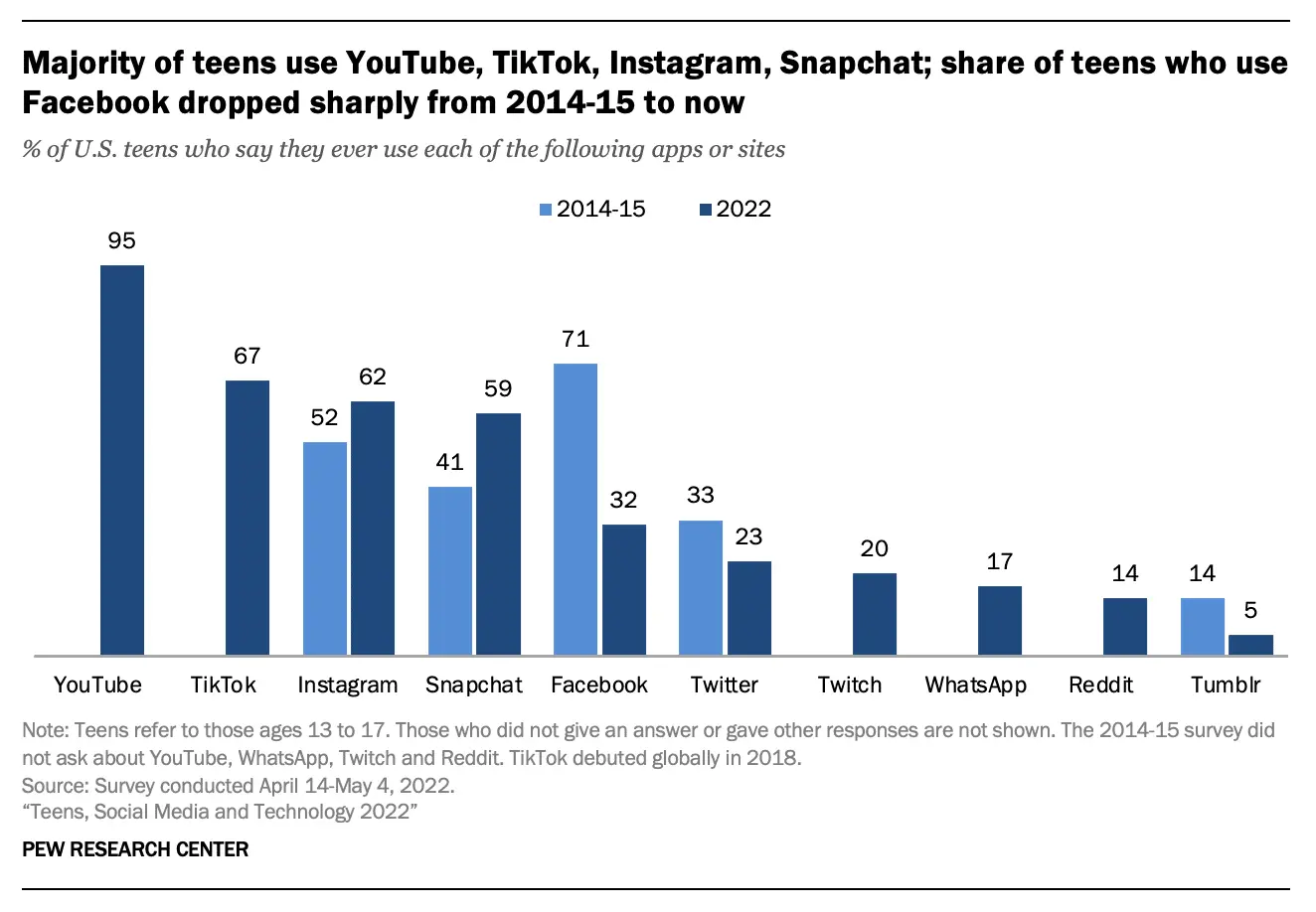
Technology plays a pivotal role in the lives of Gen Z. With a significant portion of their social interactions happening online, this generation spends an average of over 7 hours a day on various digital platforms. Social media is not just for entertainment but also a tool for activism and community building. Platforms such as TikTok, Instagram, and YouTube have not only shifted marketing strategies but have also launched previously unknown careers—such as influencers and content creators—forwarding their financial independence before traditional adulthood.
Conclusion
The impact of Gen Z on the world is undeniable. They are redefining cultural norms and economic landscapes while advocating for a more sustainable and equitable future. For businesses, understanding Gen Z’s preferences and values will be crucial as they become the dominant consumer group. As this generation continues to mature, their influence will only grow, making it vital for society to engage with and accommodate the perspectives of this dynamic cohort.