Introduction
In recent years, K-pop has transcended music to become a cultural phenomenon that influences various aspects of entertainment and lifestyle. One of the latest trends capturing the attention of fans and collectors alike is the emergence of K-pop Demon Hunters dolls. These dolls merge the vibrant essence of K-pop with elements of fantasy and adventure, bringing a unique twist to the world of collectible figures.
The Concept Behind Kpop Demon Hunters Dolls
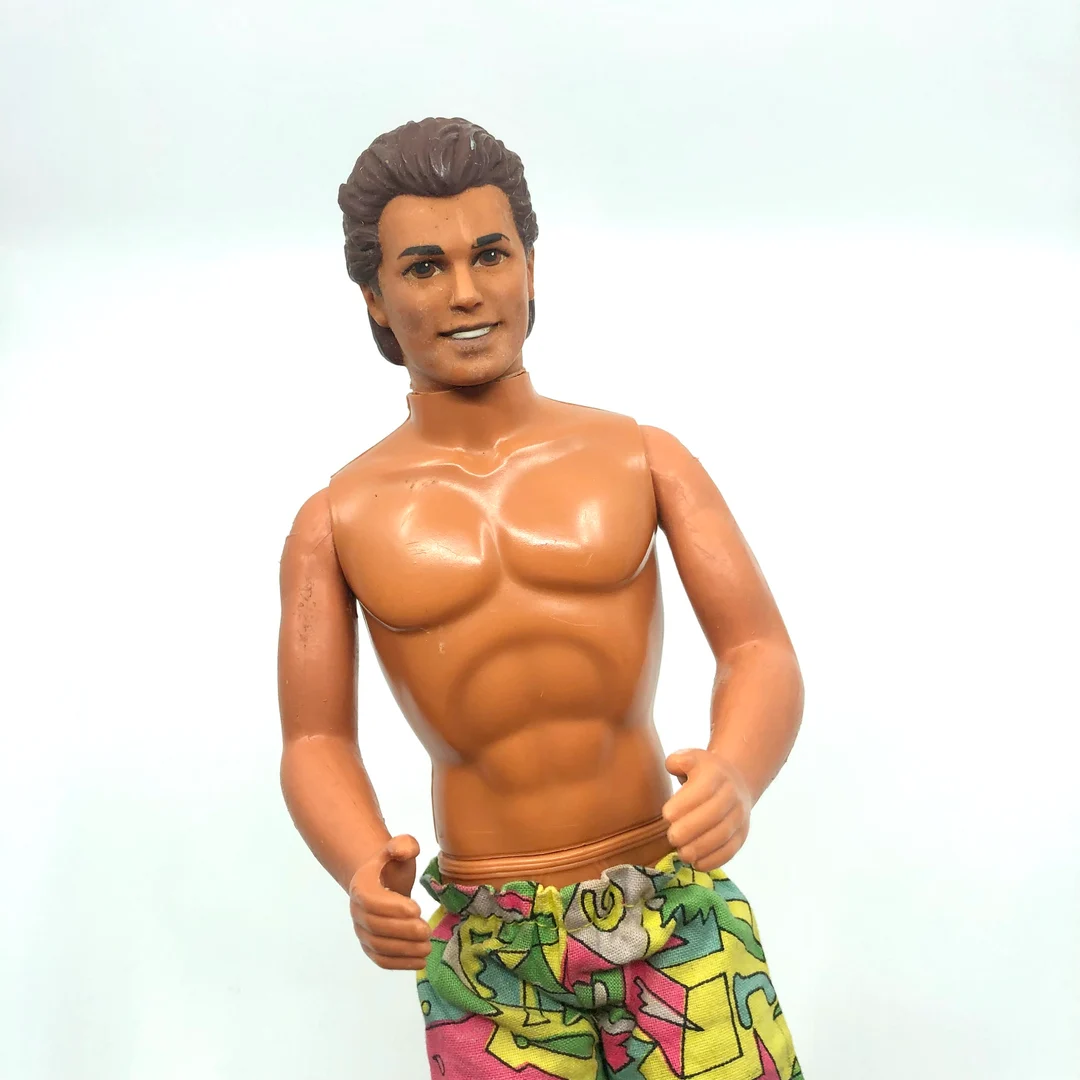
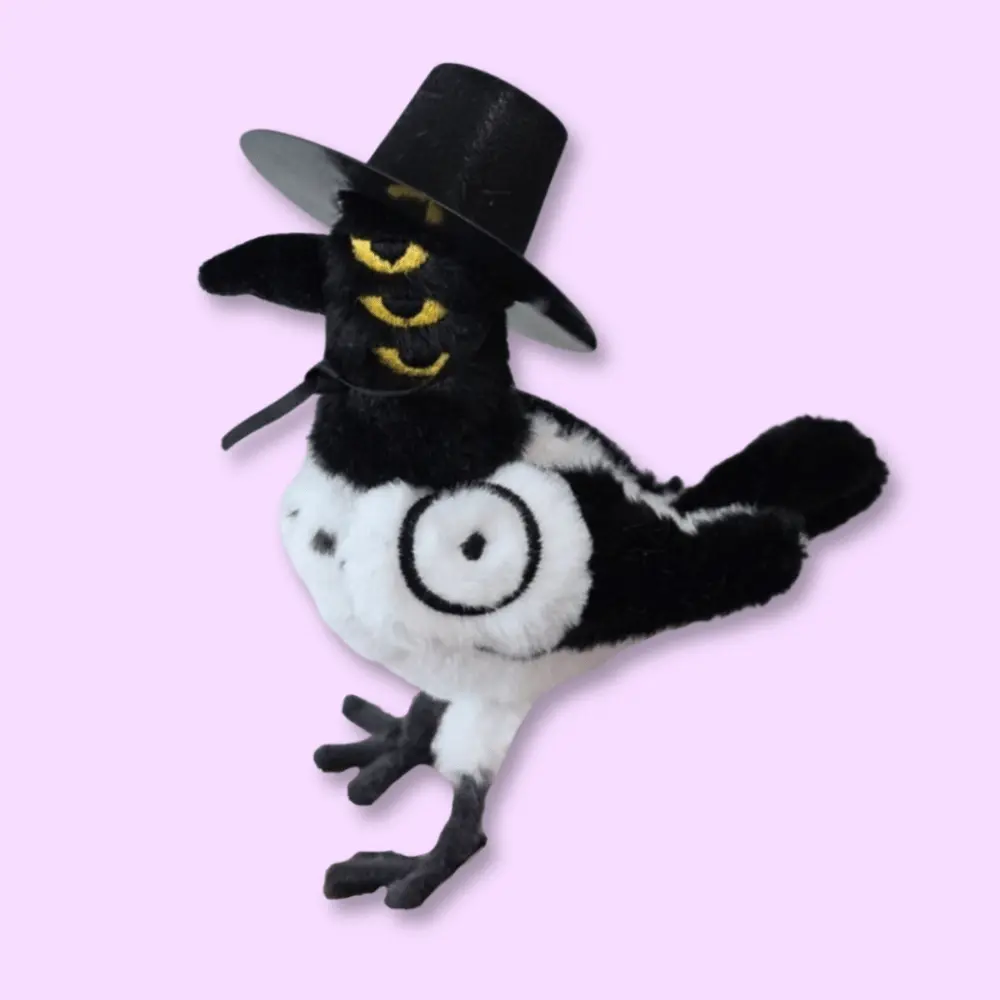
Kpop Demon Hunters dolls are a series of collectible figures inspired by popular K-pop idols, characterized by fantasy themes and demon-hunting aesthetics. Each doll typically features detailed outfits, striking accessories, and unique characters that reflect the personas of famous K-pop stars. This fusion of music, art, and storytelling resonates deeply with fans, allowing them to experience a new dimension of their favorite idols.
Growing Popularity and Collectibility
The rise of Kpop Demon Hunters dolls can be attributed to several factors. Firstly, the popularity of K-pop continues to soar globally, with millions of dedicated fans who are eager to own merchandise that connects them to their idols. Secondly, the collectible market has seen a surge in interest for limited-edition figures, which often appreciate in value over time. Enthusiasts are actively participating in online communities and social media platforms to share collections, discuss releases, and even participate in doll customization.
Impact on Culture and Community
Not only do these dolls serve as collectibles but they also foster community and creativity among fans. Many enthusiasts engage in cosplay, creating intricate outfits inspired by the dolls, or even taking part in crafting and painting their own versions. This active participation highlights the cultural impact of Kpop, bridging the gap between music, visual arts, and fashion. Events such as doll fairs and K-pop fan meetings often feature exchanges, competitions, and showcases, enhancing the social aspect of the hobby.
Conclusion
As the K-pop industry evolves, so too do the ways in which fans express their admiration and creativity. Kpop Demon Hunters dolls represent more than just collectibles—they embody a unique intersection of music, storytelling, and artistic expression. With their growing popularity, these dolls are set to remain a significant trend in the collectible culture, drawing in more fans who wish to celebrate their love for K-pop in innovative and imaginative ways. Looking ahead, the continued success of such merchandise will likely lead to even more diverse and creative projects in the K-pop sphere, making them a noteworthy phenomenon in popular culture.