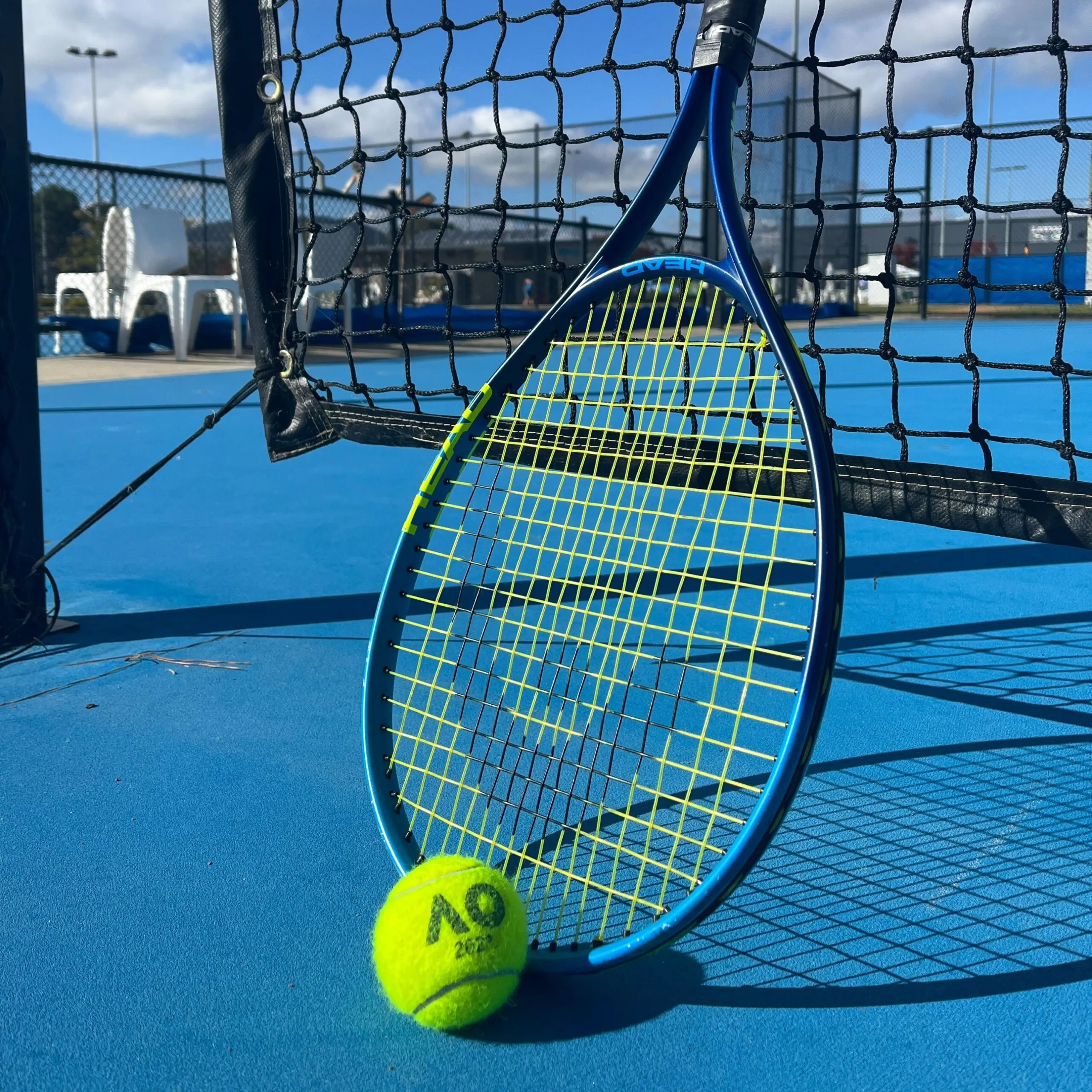
Introduction to Sweeny Tennis
Tennis has always been a popular sport, but recently, a new variation called Sweeny Tennis is gaining traction across various communities in the United States. This adaptation of traditional tennis incorporates elements designed to engage players of all ages and skill levels, making it particularly appealing to families and recreational players. Understanding its importance sheds light on how sports can promote health, community engagement, and social interaction.
What is Sweeny Tennis?
Sweeny Tennis is characterized by its unique set of rules and play styles that prioritize fun and participation over strict competition. The game can be played on smaller courts with modified equipment, allowing for greater accessibility. Recent studies suggest that inclusive sports like Sweeny Tennis can improve physical fitness among participants while fostering a sense of community among players.
Recent Events and Growth
This summer, several Sweeny Tennis tournaments were held in parks and community centers, drawing significant crowds. One notable event was the Sweeny Tennis Open hosted in Central Park, which attracted nearly 300 participants and hundreds more spectators. Local organizers report that the event engaged not only seasoned tennis players but also many beginners, some trying tennis for the first time.
The success of these events is attributed to collaborative efforts between local tennis clubs, recreation departments, and health organizations. These partnerships not only enhance event quality but also contribute to increased awareness about the health benefits of physical activity. Notably, each event incorporated educational workshops aimed at improving tennis skills and sportsmanship among younger players.
Community Engagement and Future Implications
The growing popularity of Sweeny Tennis has tremendous implications for community engagement. It serves as a vehicle for bringing people together, transcending age, and skill barriers. As parks and recreational facilities continue to integrate Sweeny Tennis into their programs, the sport is likely to flourish, resulting in increased participation rates.
In conclusion, Sweeny Tennis is more than just a sport; it represents a holistic approach to community health and social well-being. As its popularity continues to rise, we can anticipate further events, youth programs, and possibly the establishment of official Sweeny Tennis leagues. This sport could indeed become a staple in local recreational activities, promoting health, camaraderie, and overall community spirit.