Introduction: The Shift in Religious Attendance
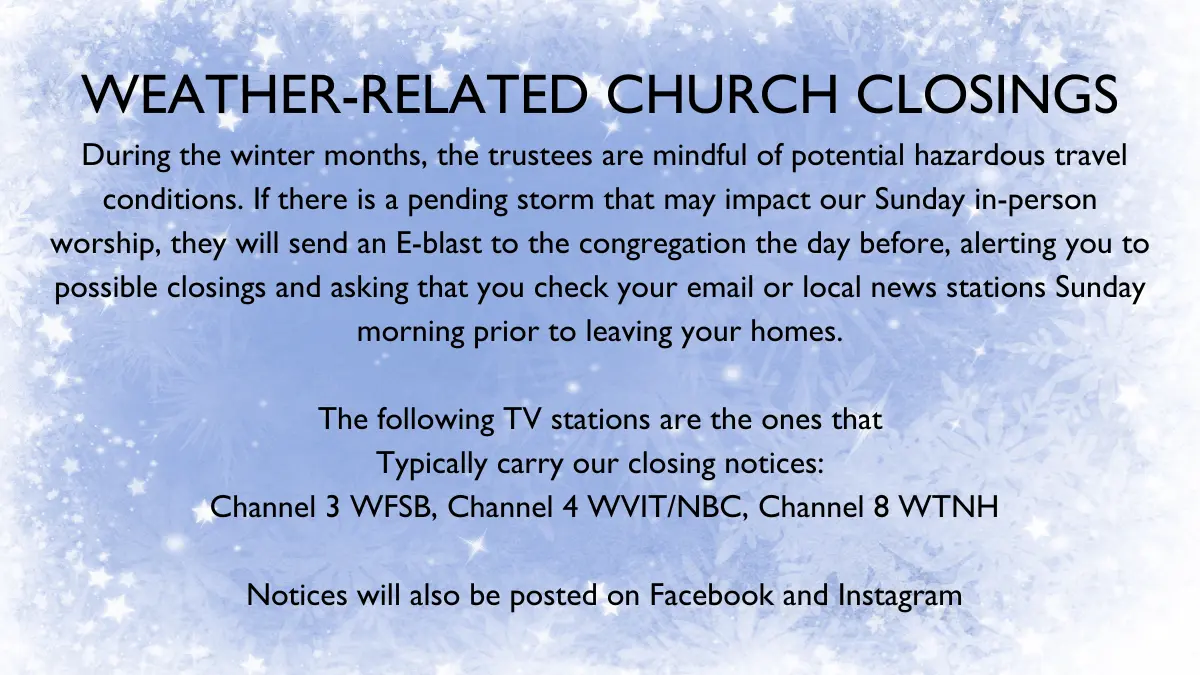
Church closings have become increasingly prevalent across the United States, reflecting a significant shift in the religious landscape. Recent studies indicate that more than 4,500 churches closed their doors in the last year alone, prompting discussions about the implications for communities, faith practices, and social cohesion. This trend not only affects congregations but also has far-reaching consequences for community identity and local economies.
Recent Events and Data
According to the Pew Research Center, between 2007 and 2020, the percentage of American adults who identify as Christian dropped from 78% to 63%. This decline in affiliation is accompanied by a marked decrease in church attendance, particularly among younger generations. Many traditional churches, particularly in urban areas, struggle to maintain their congregations.
Notably, in the past year, several high-profile church closings have occurred. For instance, a historic Catholic church in Chicago, once a hub for community gatherings, closed its doors permanently due to dwindling attendance and rising maintenance costs. Anglican congregations in the Northeast have faced similar fates, where many traditional services now see less than a quarter of their former members.
Why Are Churches Closing?
Several factors contribute to the decline of churches in the U.S. Changes in societal values, the rise of digital engagement, and shifting demographics play significant roles. The increase in virtual worship due to the COVID-19 pandemic also led many congregants to adapt to online services, thereby reducing the necessity of physical attendance.
Additionally, economic constraints can’t be overlooked. Many congregations face financial difficulties due to declining tithes and offerings, leading church leaders to make tough decisions regarding congregation size, staffing, and ultimately, closures.
Impact on Communities
The closing of churches can leave a substantial void in local communities. For many, churches provide more than just a place for worship; they serve as community centers, offering social services, counseling, and support groups. With closures, communities may lose vital services, exacerbating social isolation and economic struggles.
Conclusion: Looking Ahead
As the trend of church closings continues, it prompts critical questions regarding the future of community and faith in America. Some experts suggest that churches may need to adapt more radically, rethinking their roles and services to align with contemporary values and needs. Furthermore, new models of worship and community engagement will likely emerge, potentially reshaping the societal function of religious institutions. Understanding these changes is essential for communities, policy-makers, and religious leaders as they navigate the evolving landscape of faith in a secularizing world.