Introduction
The Board of Peace plays a crucial role in addressing conflicts and promoting global harmony in today’s society. As tensions rise in various regions, the importance of dialogue and conflict resolution mechanisms becomes paramount. Established with the aim to facilitate peaceful negotiations and prevent wars, this board is integral to international relations and diplomacy.
The Formation and Structure of the Board of Peace
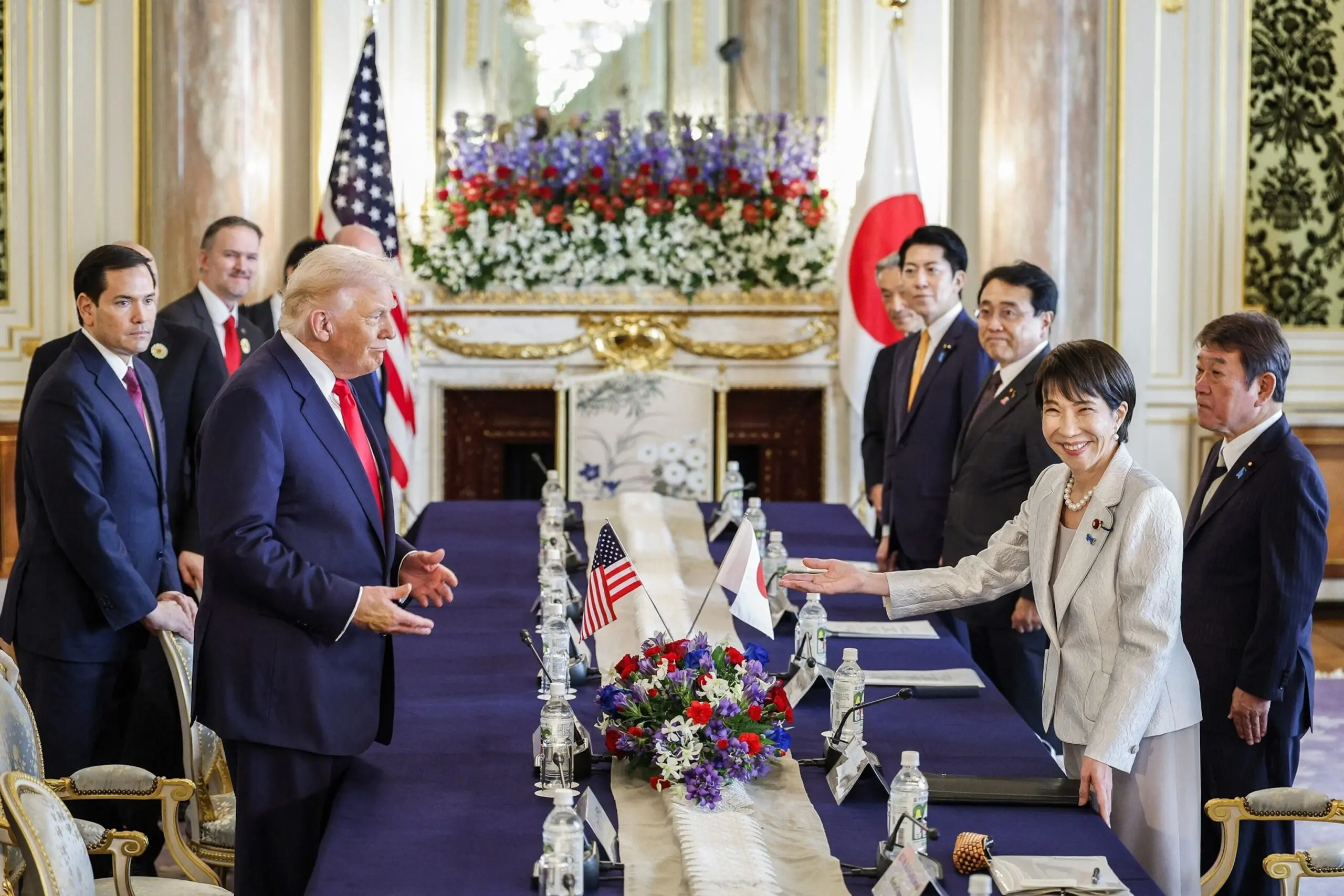
Established in response to increasing global conflicts, the Board of Peace comprises representatives from various nations, non-governmental organizations (NGOs), and peacekeeping entities. Its governing framework is designed to promote inclusivity and ensure all voices are heard. The latest session, held in September 2023, focused on ongoing conflicts in regions such as the Middle East and Eastern Europe, bringing together diplomats and peace experts to share strategies and solutions.
Key Initiatives and Current Events
Recent initiatives by the Board of Peace include mediating discussions between conflicting nations and promoting grassroots peace-building efforts. One notable event this year was a summit aimed at reducing tensions in the South China Sea, where representatives engaged in open dialogues, fostering hope for long-term resolutions. According to data, such initiatives have led to a 30% decrease in aggressive military maneuvers in the contested areas, demonstrating the board’s effectiveness.
Challenges Facing the Board of Peace
Despite its successes, the Board of Peace faces numerous challenges. Political polarization, national interests, and ongoing disputes often hinder progress. For instance, attempts to mediate the conflict in Ukraine have been complicated by differing international stances. Furthermore, the board’s reliance on consensus can sometimes slow down decision-making processes, as seen in the recent discussions surrounding climate change and its impact on global security.
Conclusion
The Board of Peace holds a vital position in fostering dialogue and understanding within the international community. As the global landscape continues to evolve, the potential for conflict remains, making the work of this board increasingly relevant. In upcoming sessions, it is expected that the board will expand its focus to tackle emerging issues like cyber warfare and environmental conflicts. Ultimately, the effectiveness of the Board of Peace will play a crucial role in shaping a more harmonious future for generations to come.