Introduction
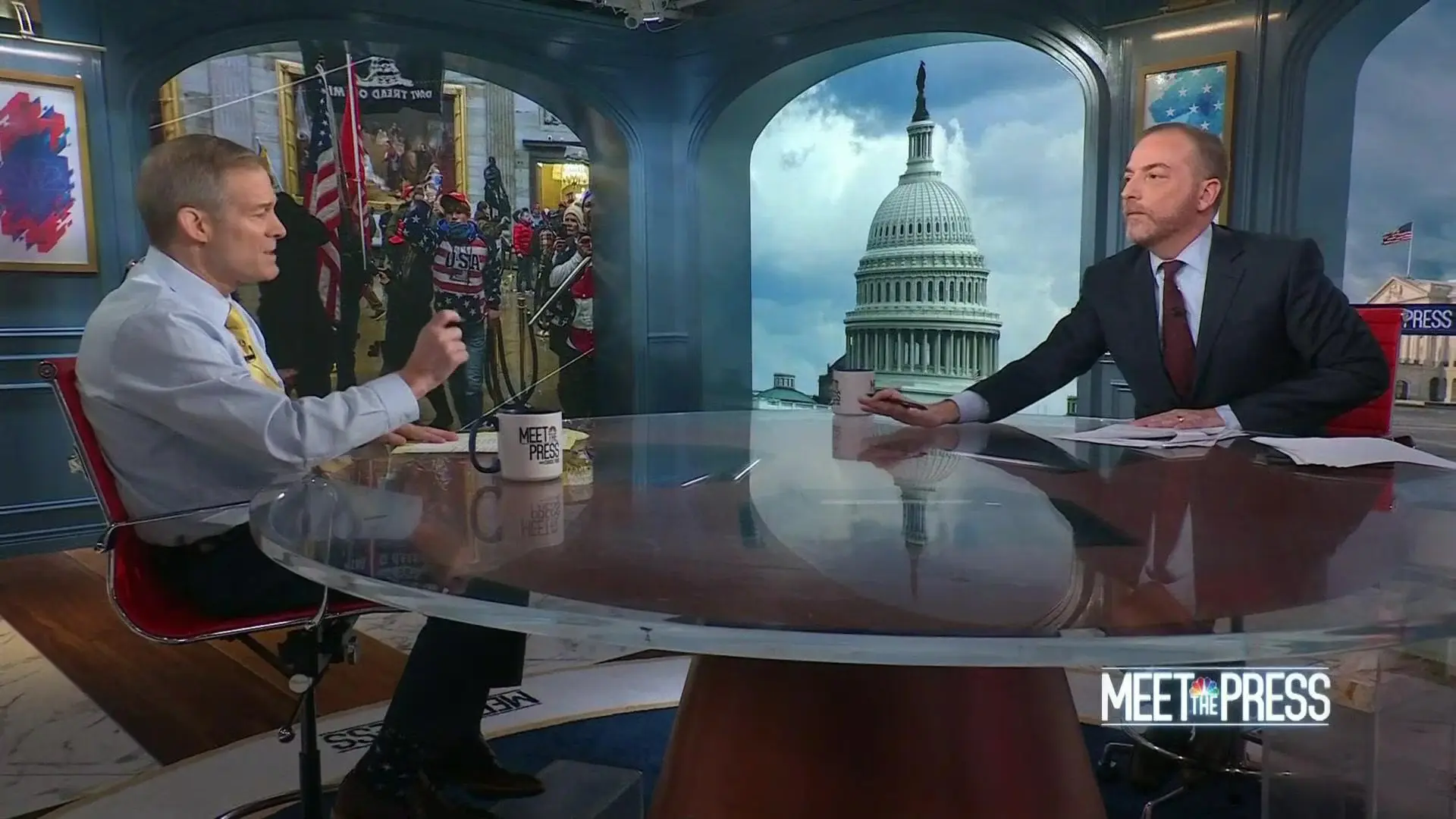
Meet the Press, the longest-running television program in NBC’s history, continues to play a vital role in shaping political discourse in the United States. Established in 1947, the show has become synonymous with political interviewing and news reporting, serving as a platform for journalists to question public officials about current events, policies, and the political landscape. Its importance is underscored by the fact that it often influences public perception and the agenda of political discussions.
Recent Developments
In recent months, Meet the Press has adapted to a rapidly changing media environment characterized by increased polarization and the rise of social media. With its current host, Kristen Welker, the show has sought to emphasize factual reporting while engaging in critical discussions about misinformation. The program recently featured an episode addressing key issues leading up to the 2024 presidential elections, focusing on voter rights, economic challenges, and foreign policy. Through interviews with candidates and experts, Meet the Press aims to inform viewers and hold public figures accountable.
The show’s most recent episode also made headlines when it had a one-on-one with a key presidential candidate, where both the questions and answers drew significant attention on social media. The way these discussions unfold highlights the power of television journalism in influencing voter opinion and serving as a fact-checking platform against the backdrop of misinformation that can often circulate on social networks.
The Significance for Viewers
For viewers, Meet the Press provides essential context to complex political issues and offers a unique opportunity to hear directly from policymakers. It has been crucial in bridging the gap between the public and the political elite, particularly during critical times such as elections. The format of the show encourages debate and discussion while ensuring that fundamental questions about governance and policy are addressed.
Conclusion
As it enters another electoral season, Meet the Press remains a fundamental resource for understanding the political landscape of the United States. The program’s commitment to journalistic integrity and informative discourse will likely continue to resonate with viewers. Looking ahead, it’s probable that the show will further embrace digital media to reach a more diverse audience, ensuring its relevance in an evolving information ecosystem. As with past elections, the outcomes of political discussions featured on Meet the Press could have significant implications for the political climate, making it essential viewing for anyone interested in American politics.