Introduction
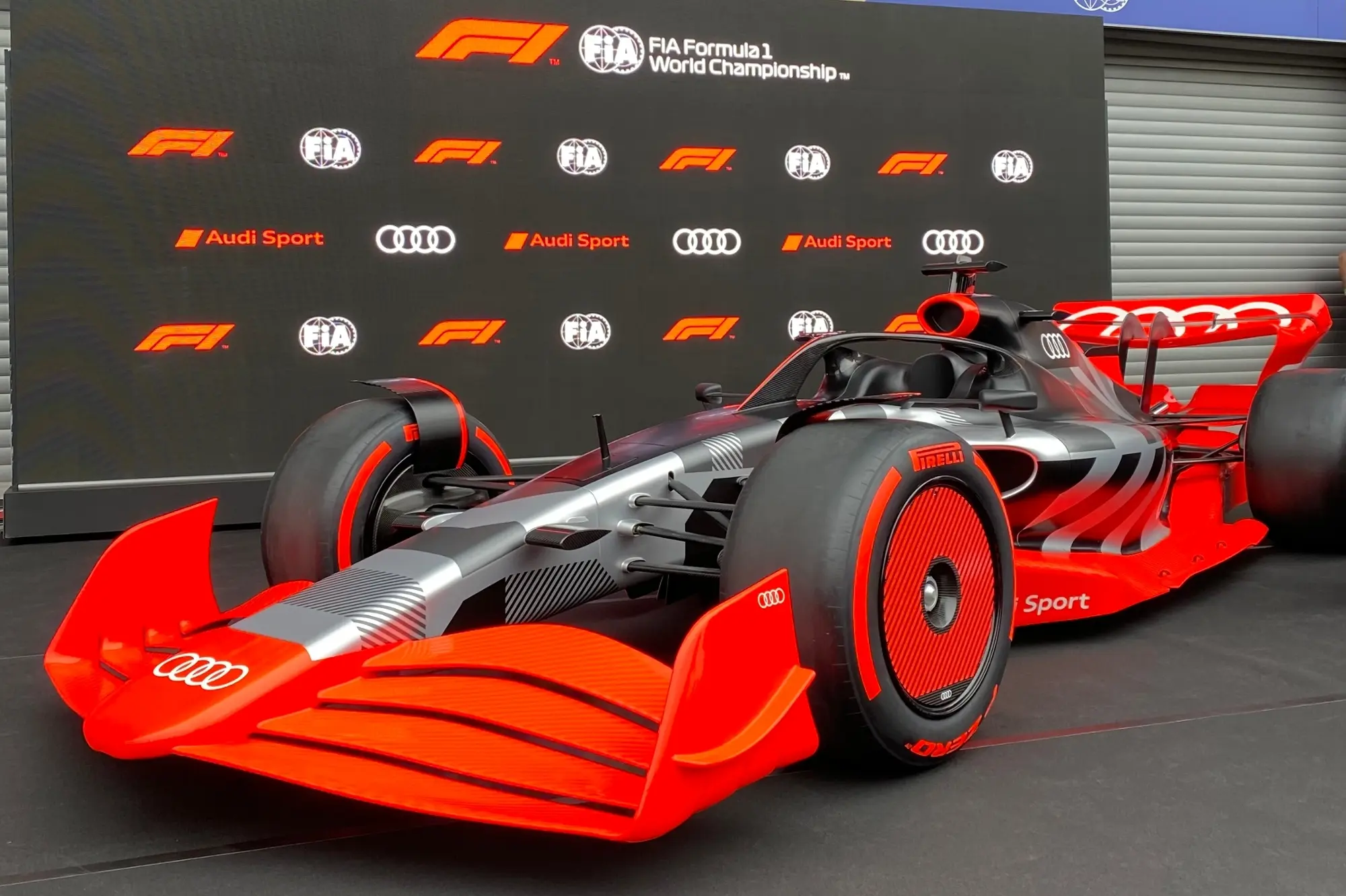
In recent years, the world of motorsports has been witnessing a transformative shift, and Audi’s entry into Formula 1 (F1) marks a significant milestone in this evolution. As automotive manufacturers increasingly emphasize sustainability and performance, Audi’s involvement signals a renewed focus on innovation within the sport. This move is not only important for Audi but also for the future of F1, particularly with the upcoming technological regulations set to be implemented in 2026.
Audi’s Commitment to Formula 1
Audi officially announced its plans to compete in Formula 1 during the summer of 2022, joining the elite group of manufacturers in a sport that has historically been characterized by fierce competition and cutting-edge technology. The Volkswagen Group, Audi’s parent company, has a rich motorsport heritage and aims to leverage its engineering expertise to succeed in F1.
The manufacturer plans to develop its power unit in collaboration with Sauber, which will undergo a rebranding as Audi’s works team starting in 2026. This collaboration is seen as a strategic move to combine expertise and resources to create a competitive edge in a sport where performance is paramount.
Innovation and Sustainability
One of the most significant changes in F1 is the introduction of new regulations that require teams to focus on sustainability without compromising performance. Audi has pledged to align its engineering and design philosophies with these environmental goals. The new F1 engines, which will include hybrid technology, reflect a broader trend within the automotive industry as it shifts towards electric and hybrid vehicles.
Audi’s participation is expected to accelerate the development of eco-friendly technologies in motorsports, as the brand has a long-standing commitment to sustainability. This alignment with F1’s future direction could inspire other manufacturers to rethink their strategies regarding performance and environmental accountability.
Conclusion
Audi’s entry into Formula 1 is set to reshape the competitive landscape of the sport. As the 2026 season approaches, fans and analysts alike will be eager to see how Audi’s engineering innovations pan out on the race track. The implications of their involvement extend beyond mere performance; they could set a standard for sustainability and advanced technology in motorsports.
In conclusion, Audi F1 represents more than just a new team in the competition; it signifies a crucial step towards a future where technology and sustainability coexist in one of the world’s most thrilling sports. This development invites spectators to contemplate the evolving relationship between motorsport, industry innovation, and environmental responsibility.