Introduction
Friday the 13th is commonly regarded as an unlucky day in Western superstition, with roots that stretch back centuries. This unique day combines the ominous connotations of both the number 13 and the day Friday, giving rise to numerous myths and cultural narratives. Understanding the origins and impact of Friday the 13th sheds light on societal beliefs and fears that have persisted over time.
Historical Context and Origins
The fear of the number 13, also known as triskaidekaphobia, dates back to ancient times. Some historians trace its origins to Norse mythology, particularly the story of the gods inviting 12 deities to a banquet in Valhalla, only to be interrupted by Loki, the 13th uninvited guest, who brought chaos. Additionally, the day Friday has been associated with various negative events in religious texts; for instance, many Christians believe that Jesus was crucified on a Friday.
The combination of Friday and the number 13 gained notoriety in the late 19th century, particularly after the publication of Thomas W. Lawson’s novel ‘Friday, the Thirteenth’ in 1907, which portrayed the day as laden with bad luck, further cementing its reputation in popular culture.
Cultural Impact
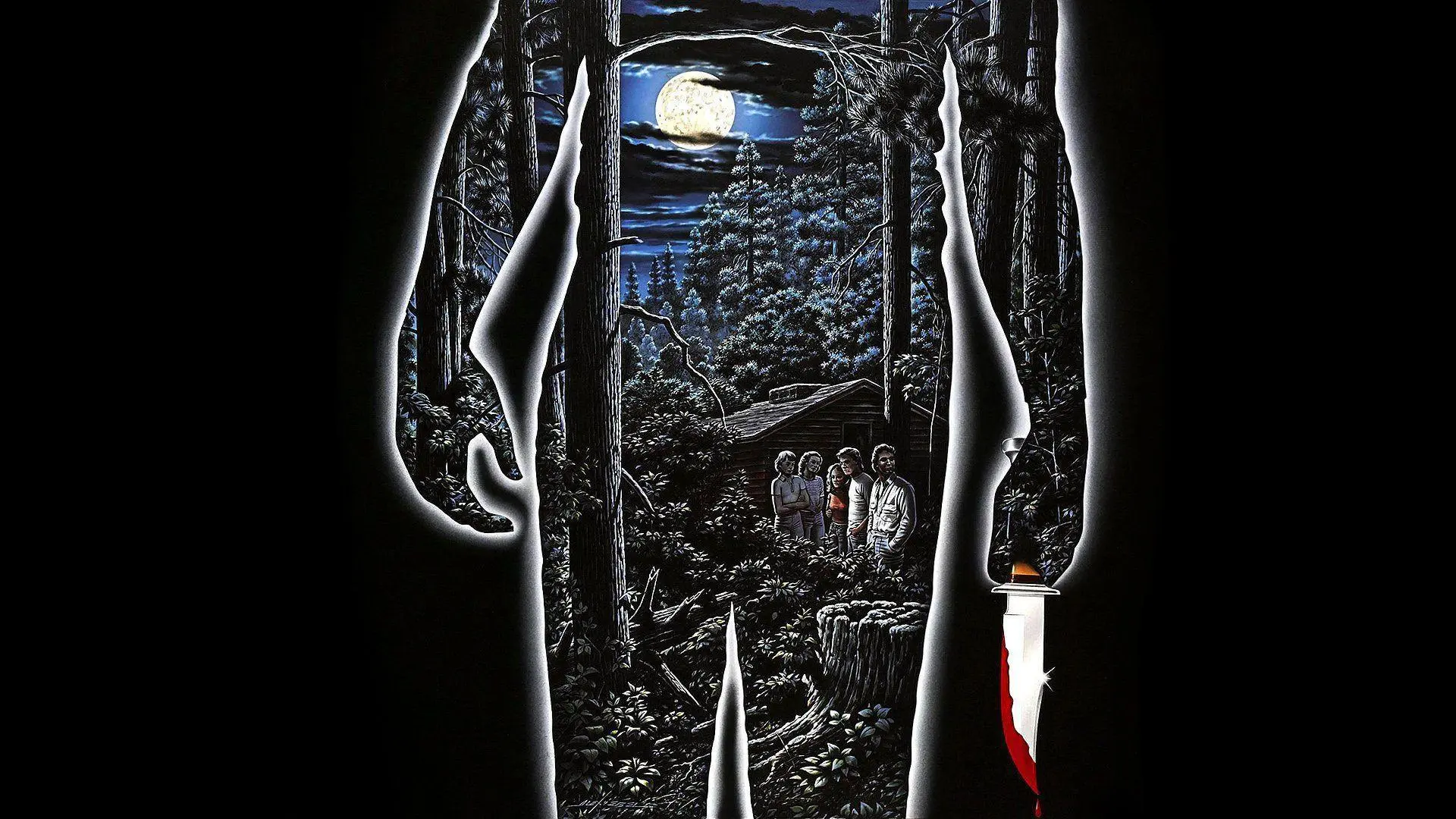
In contemporary society, Friday the 13th has transcended its origins to become a phenomenon reflected in film, literature, and various forms of entertainment. The popular horror franchise ‘Friday the 13th,’ initiated in the 1980s, has turned the date into an emblem of fear and superstition, contributing to the holiday’s recognition in pop culture.
Businesses have also embraced the day, with promotions and themed events capitalizing on the eerie allure of Friday the 13th. Conversely, many individuals actively engage in avoidance rituals or refrain from important activities on this date, further illustrating its grasp on public consciousness.
Conclusion
Friday the 13th remains a fascinating exploration of human psychology and superstition. While some may dismiss these beliefs as mere folklore, the day continues to impact behaviors and societal norms. As more people navigate their own interpretations and reactions, the historical significance and cultural legacy of Friday the 13th as a day of fear and fascination persist. Looking ahead, this juxtaposition of fear and fascination ensures that Friday the 13th will remain both a cultural touchstone and a source of intrigue for years to come.