Introduction
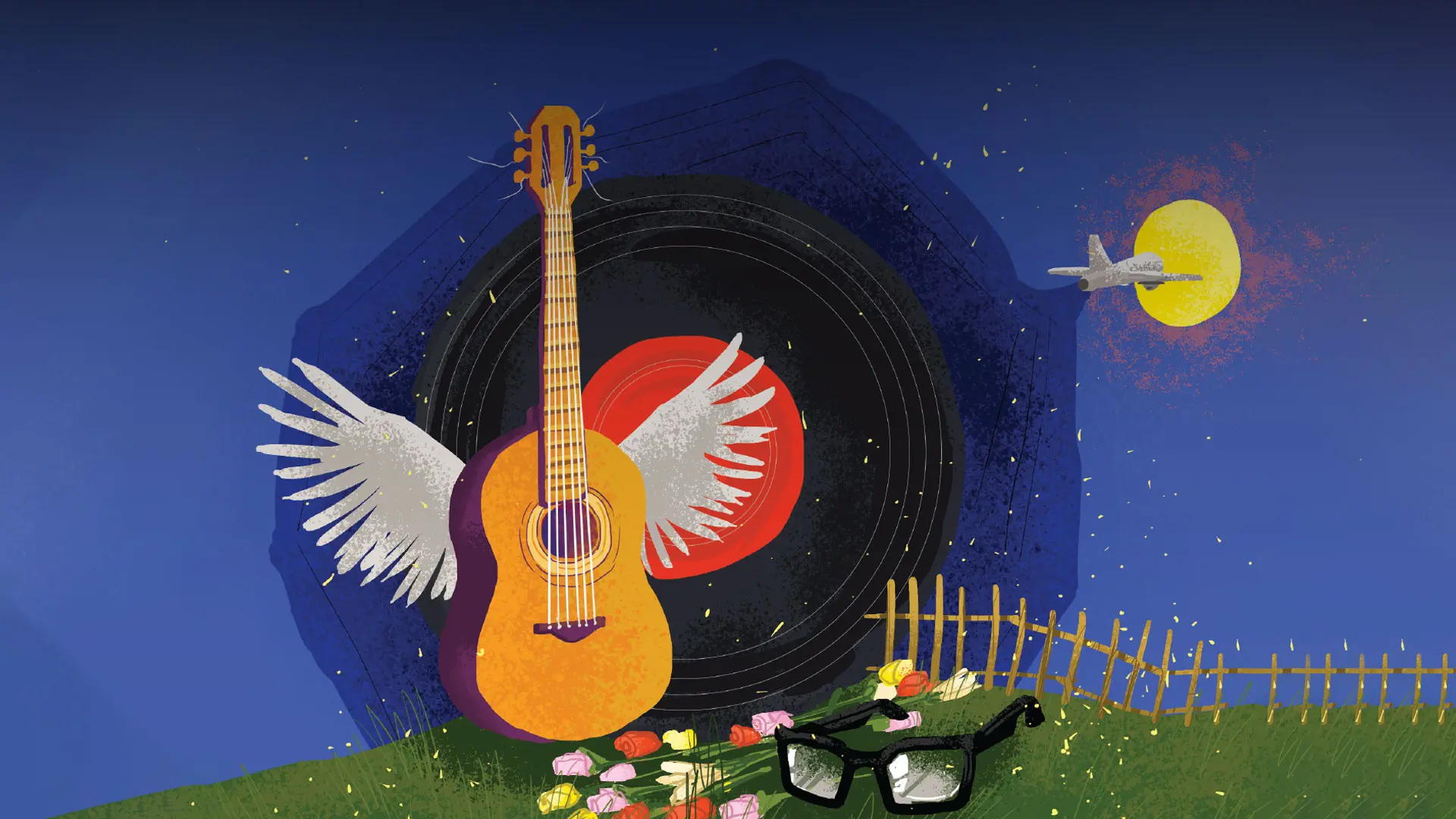
The phrase “The Day the Music Died” refers to February 3, 1959, when influential musicians Buddy Holly, Ritchie Valens, and J.P. “The Big Bopper” Richardson tragically lost their lives in a plane crash. This event marked a seminal moment in the history of rock and roll and left a lasting impact on the musical landscape of America. For many, it symbolizes the sudden loss of raw talent and vibrant creativity, signaling a turning point for musicians and fans alike.
The Events of That Fateful Night
On February 2, 1959, the three artists were part of the Winter Dance Party tour. After a performance in Clear Lake, Iowa, they boarded a small Beechcraft Bonanza aircraft for a flight to Moorhead, Minnesota. The decision to fly instead of traveling by bus was prompted by a grueling tour schedule exacerbated by freezing temperatures and bus malfunctions.
Shortly after takeoff, the aircraft encountered poor weather conditions, including heavy snow and icy roads. The pilot, Roger Peterson, was not only unfamiliar with the terrain but also faced difficulty navigating the storm, leading to the crash just a few minutes after takeoff. The tragic loss of these stars was felt deeply across the nation, as they represented the burgeoning rock and roll movement.
The Impact on Music and Culture
The aftermath of the incident brought profound changes to the music industry. In the years following the crash, musicians and producers alike began to reconsider tour logistics, focusing on artist safety. Buddy Holly had already been a pioneer in the recording studio, experimenting with sound and instrumentation, and his absence would be felt by many.
The Day the Music Died has also remained entrenched in cultural memory, inspiring countless tributes and artistic representations. From Don McLean’s iconic song “American Pie” to documentaries and commemorative events, the legacy of Holly, Valens, and Richardson continues to resonate as a reminder of the fragility of life.
Conclusion
In many ways, The Day the Music Died extended far beyond a tragic event in music history; it symbolizes a pivotal moment when the vision of rock and roll and youthful exuberance faced an abrupt disruption. As music has continued to evolve, the memory of this day serves as a reminder of the energy, creativity, and potential that the genre embodies. For music lovers, artists, and historians, reflecting on this day helps underscore the significant cultural impact these musicians had, inviting future generations to appreciate and honor their legacy.