Introduction
The impending NASA Artemis rocket launch marks a pivotal moment in space exploration, reflecting humanity’s renewed ambitions to return to the Moon and eventually explore Mars. The Artemis program is not merely a continuation of lunar missions; it is a leap into a future where sustainable lunar presence sets the stage for further space exploration. With recent advancements in technology and international cooperation, the significance of this launch can’t be overstated as it aims to inspire generations and facilitate further discoveries in our solar system.
The Artemis Mission Overview
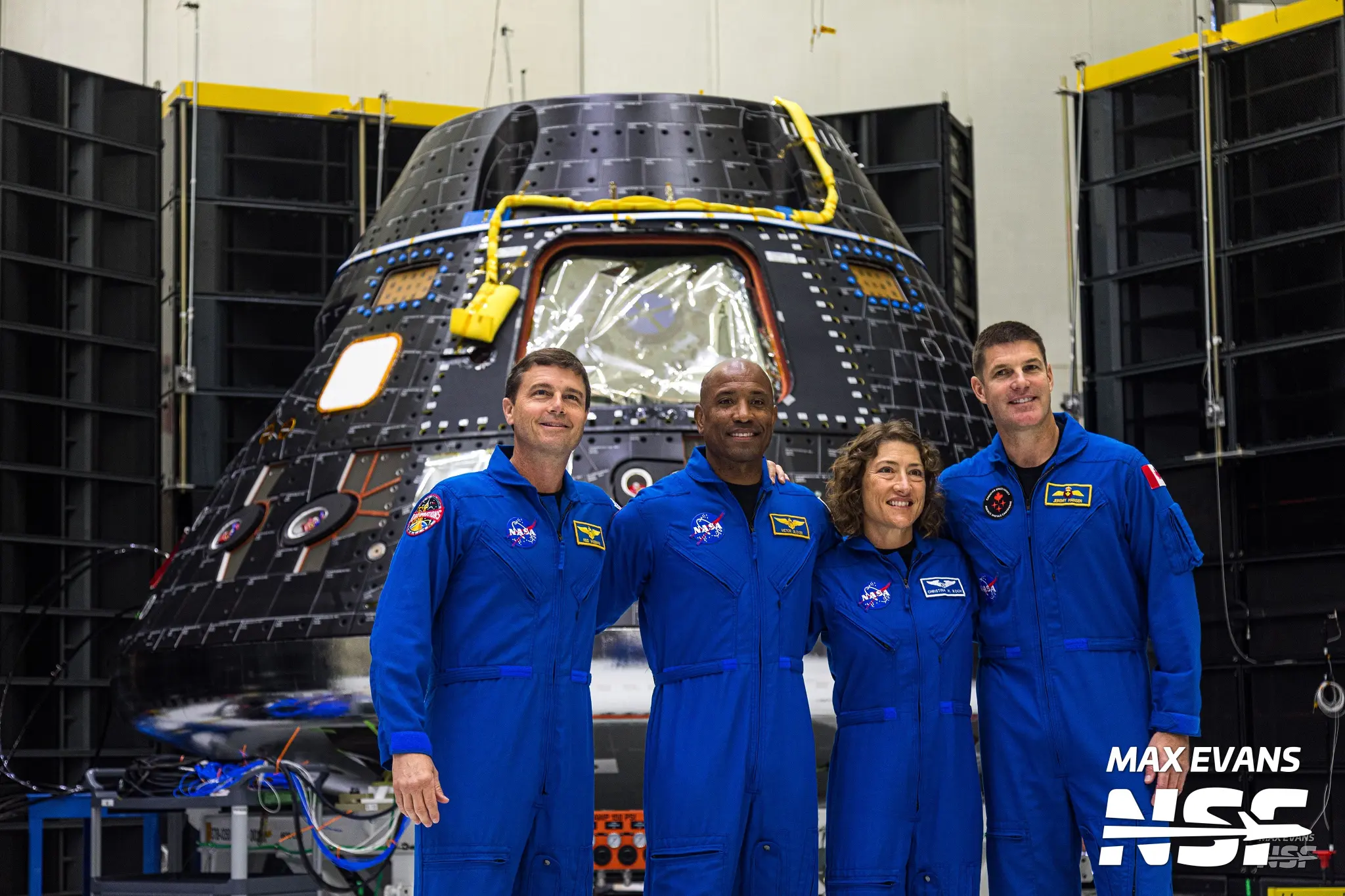
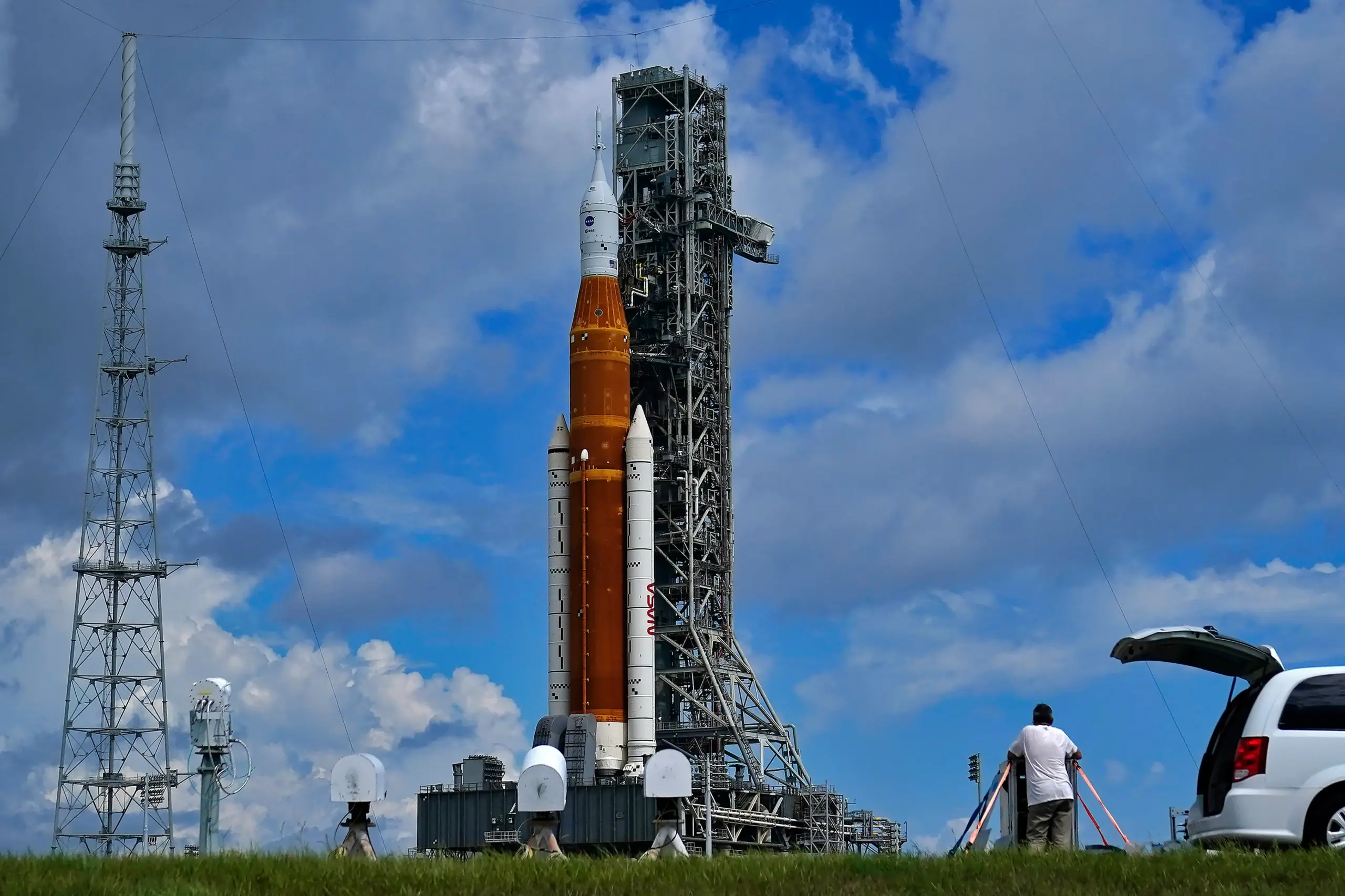
NASA’s Artemis mission aims to land the next astronauts on the Moon by 2024 — this includes the first woman and the next man. The mission utilizes the Space Launch System (SLS) rocket, the most powerful rocket in the world, paired with the Orion spacecraft. The SLS is designed to send astronauts beyond low Earth orbit, with Artemis I being an uncrewed test flight that will assess all systems and ensure the rocket functions correctly before crewed missions commence.
Recent Developments
As we approach the launch date scheduled for November 2023, NASA has been making strides in preparation. Following previous delays due to technical issues and the pandemic, NASA’s decision to conduct thorough checks and trials has instilled confidence in the mission’s success. Various tests have been conducted over the past months to assess the performance of the SLS and the Orion spacecraft. Additionally, NASA has expanded its partnerships with international space agencies and private contractors, ensuring a collaborative approach to this landmark mission.
Implications for Future Exploration
The Artemis program not only lays the groundwork for a sustainable human presence on the Moon but also aims to develop technologies that will be crucial for future Mars missions. With plans for lunar bases and in-situ resource utilization, astronauts will eventually utilize materials from the Moon to aid in exploration deeper into space. The Artemis missions are intended to engage and encourage interest in STEM fields, inspiring a new generation of scientists, engineers, and astronauts.
Conclusion
The launch of the NASA Artemis rocket represents more than just a technical feat; it embodies the spirit of exploration and the quest for knowledge that defines humanity. As we inch closer to the historic launch, the world watches with eager anticipation. If successful, the Artemis mission will not only change our understanding of the Moon but will also pave the way for future expeditions to Mars and beyond, reinforcing the united global effort in space exploration.