Introduction to the S&P 500
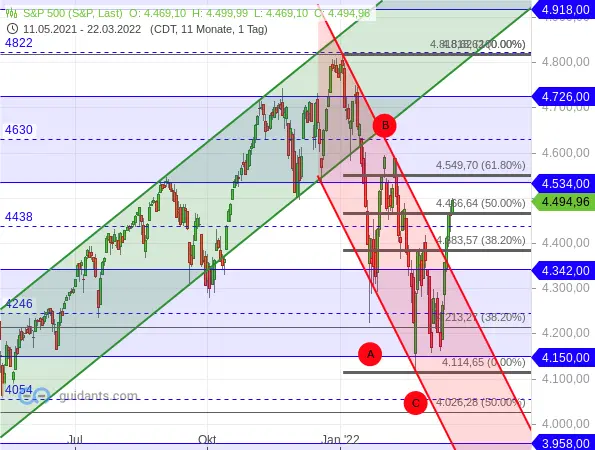
The S&P 500, or Standard & Poor’s 500, is widely regarded as one of the best representations of the stock market and the U.S. economy. This stock market index tracks the performance of 500 of the largest publicly traded companies in the United States. The S&P 500’s importance lies in its ability to serve as a benchmark for investments, helping investors gauge the overall health of the stock market and economic conditions. Understanding movements in the S&P 500 can provide valuable insights for both individual and institutional investors.
Current Performance and Factors Influencing It
As of October 2023, the S&P 500 has shown mixed performance amid rising interest rates and inflationary pressures. The index has experienced periods of volatility driven by changes in economic data, Federal Reserve policy, and geopolitical events. For example, recent reports on inflation have resulted in fluctuations in investor sentiment, leading to increased scrutiny on tech stocks, which heavily influence the index.
On October 15, 2023, the S&P 500 closed at 4,400, marking a slight decrease from previous months but still reflecting a year-to-date increase of approximately 10%. Tech giants like Apple, Microsoft, and Amazon remain key players within the index and continue to shape its trajectory. Analysts observe that sectors facing challenges, such as energy and retail, might affect the index’s overall performance as well.
Implications for Investors
For investors, the S&P 500 provides a vital tool for diversification and investment strategy. Many investors utilize index funds and exchange-traded funds (ETFs) that replicate the S&P 500’s performance to gain exposure to a broad market without having to pick individual stocks. Additionally, the S&P 500 is often seen as a barometer of economic health, with its moves indicating investor confidence or concerns.
Future Outlook
Looking ahead, market experts predict that the S&P 500 will remain a pivotal indicator in the coming months. Economic indicators such as employment rates, consumer confidence, and inflation will continue to play significant roles in shaping market trends. With increasing global uncertainties, including potential geopolitical tensions and domestic policy shifts, investors will closely monitor the S&P 500 as they navigate these complexities.
Conclusion
The S&P 500 is more than just a stock index; it’s a critical gauge of market dynamics and economic conditions that can significantly influence investor decisions. As it reflects the performance of major companies within the U.S., understanding its movements aids investors in making informed choices. Moving forward, keeping an eye on the S&P 500 will be essential in anticipating market trends and economic shifts.