Introduction to Skeleton at the Winter Olympics
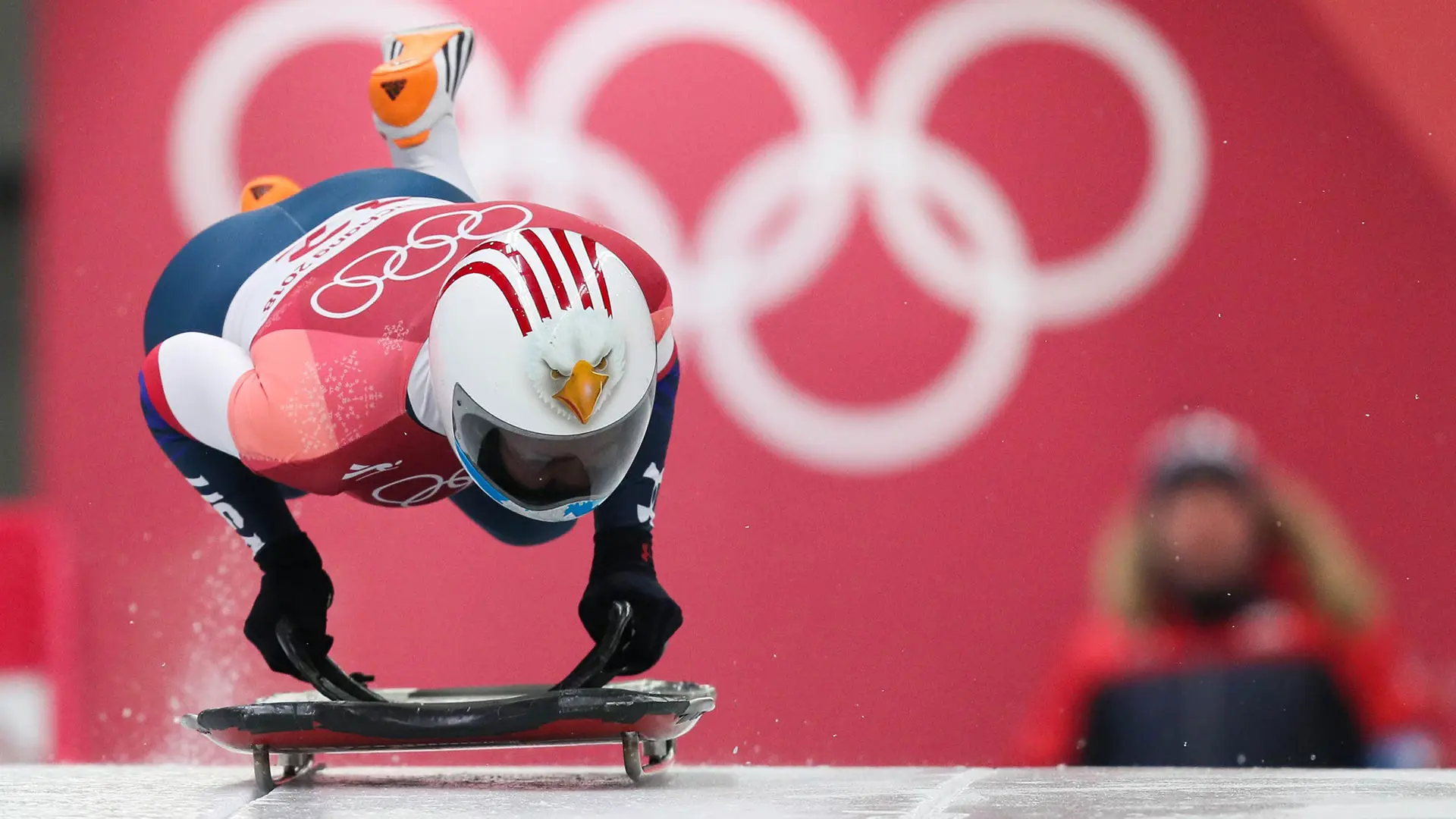
The skeleton is a thrilling winter sport that combines speed, skill, and a touch of daring. Athletes compete by sliding head-first down a narrow, twisting track on small sleds, where precise control is crucial for achieving the best times. As an Olympic sport, skeleton showcases not only individual athletic prowess but also represents a unique aspect of winter sports culture, drawing significant interest from fans and participants alike. Introduced as an Olympic event in the 1928 Winter Games, skeleton has evolved and gained prominence, contributing to the Winter Olympics’ excitement.
History and Evolution of Skeleton
Originating from the late 19th century in Switzerland, the skeleton sport began with military personnel who raced down hills on makeshift sleds. The sport was officially introduced to the Winter Olympics in 1928 and then again in 1948, with a break before its reintroduction in 2002. Since then, the sport has seen remarkable growth, including the addition of women’s events, which made their Olympic debut in 2002 in Salt Lake City. The skeleton’s unique head-first position and single sled frame distinguish it from other sliding sports, making it a fascinating spectacle for spectators.
Current Events and Highlights
As we approach the 2026 Winter Olympics in Milano Cortina, the skeleton community is abuzz with anticipation. The recent World Cup season has highlighted emerging talents and seasoned veterans. Athletes like Laura Deas from Great Britain and Axel Jungk from Germany have shown exceptional performances in recent competitions, giving fans a glimpse of what to expect. National governing bodies are also investing in training and technology to enhance athlete performance and safety, underlining the growing significance of skeleton on the world stage.
Signature Techniques and Rules
In skeleton, athletes strive to achieve the fastest time by maneuvering their sleds down slick, icy tracks that can include challenging turns and curves. Key techniques include the start phase, where explosive power is crucial, and the cornering technique, which involves subtle weight shifts to maintain speed. Competitors must also adhere to strict equipment regulations, ensuring sled dimensions and weights meet Olympic standards. Safety is paramount, with athletes wearing helmets and protective gear to mitigate risks associated with competing at high speeds.
Conclusion: The Future of Skeleton at the Olympics
The skeleton sport continues to gain traction within the Winter Olympics framework, attracting new fans and enhancing global interest. As the competition becomes fiercer and the stakes higher, programs supporting athlete development and innovation are crucial for maintaining international competitiveness. The 2026 Winter Olympic Games promise to be a thrilling showcase of talent and speed in skeleton, reminding fans of the sheer excitement this unique sport brings to winter sports enthusiasts around the world.