Introduction
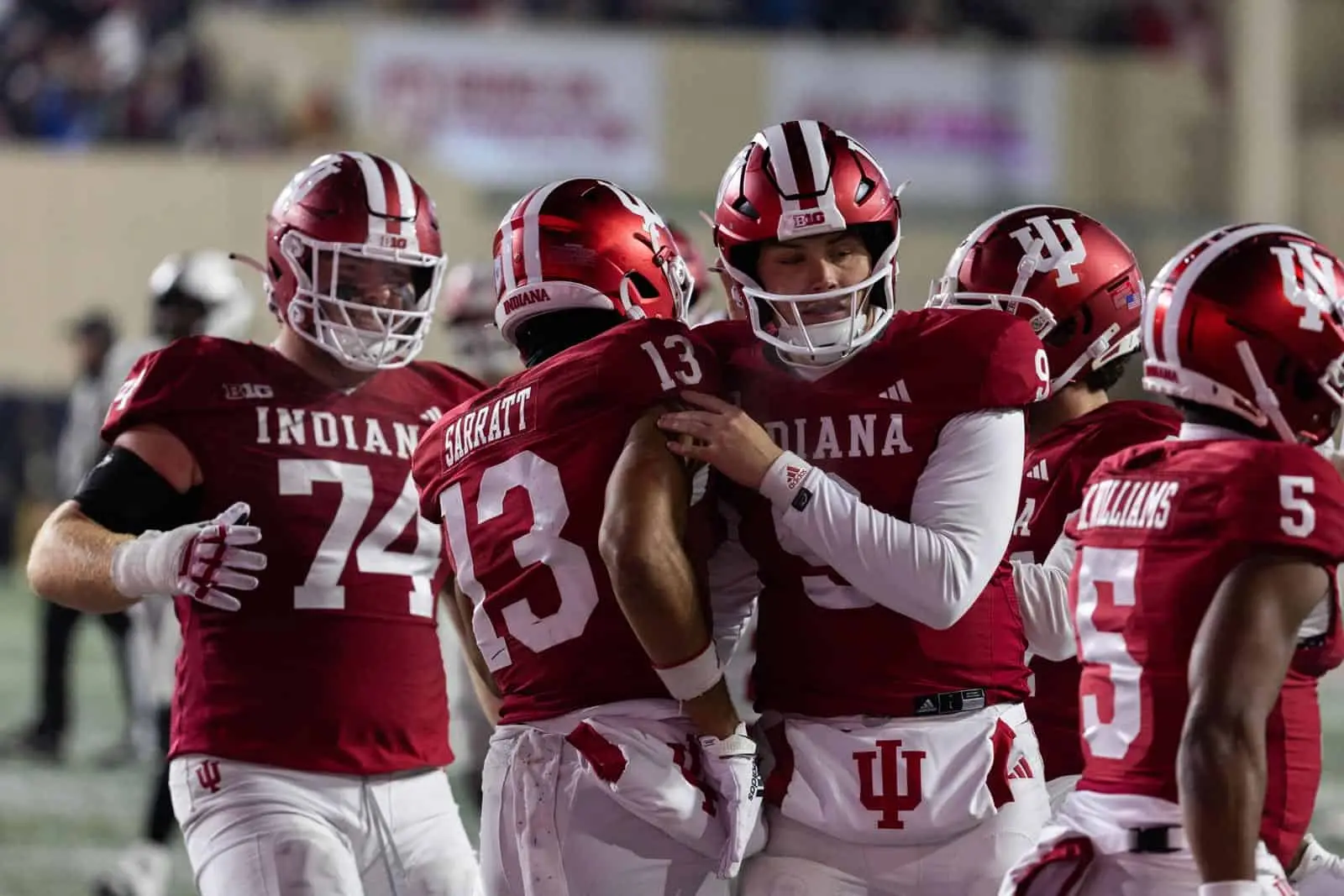
Big Ten football holds a significant place in college athletics, known for its competitive teams and passionate fan base. As one of the oldest and most prestigious conferences in NCAA Division I football, the Big Ten has shaped many players’ careers and influenced college sports as a whole. The recent expansions and shifts in conference alignment have brought fresh excitement and challenges to the league, making it a critical topic of discussion among fans and analysts alike.
Recent Developments in Big Ten Football
This season has already been marked by noteworthy developments. In 2023, the Big Ten welcomed four new member schools: USC, UCLA, Oregon, and Washington, leading to a revamp of schedules and rivalries. This expansion not only enriches the conference’s competitive landscape but also elevates its visibility on national platforms.
As of October 2023, the season is in full swing, with Michigan and Ohio State at the forefront of the AP Top 25 rankings. Their longstanding rivalry, often dubbed ‘The Game,’ continues to be a focal point for fans and players alike, with implications that stretch beyond the regular season into playoff discussions.
Key performances have emerged this season, including standout plays from quarterback J.J. McCarthy of Michigan and running back TreVeyon Henderson of Ohio State. Both players have showcased their skills on national television, drawing attention from professional scouts and analysts. Furthermore, the defense of Penn State has begun the season strong, raising prospects for their potential in the postseason.
Looking Forward
As the season progresses, various factors will play a crucial role in defining the outcome of Big Ten football. Fans are eager to see how the new teams adjust to the intensely competitive nature of the Big Ten. Furthermore, the College Football Playoff structure will inevitably affect postseason aspirations. Will the expansion affect the chances of a Big Ten team securing a coveted playoff spot?
Moreover, with the potential for more televised games and lucrative media rights deals, the Big Ten could generate more revenue than ever before, impacting collegiate athletics on a broader scale.
Conclusion
In conclusion, Big Ten football not only represents competition at its highest level, but it also signifies tradition, community, and a platform for athletes to shine. As new teams integrate and familiar rivalries reignite, the conference promises to keep fans on the edge of their seats throughout the rest of the season. Observers should keep an eye on emerging talents and conference dynamics, as they will play a decisive role in shaping the future of Big Ten football.