Introduction
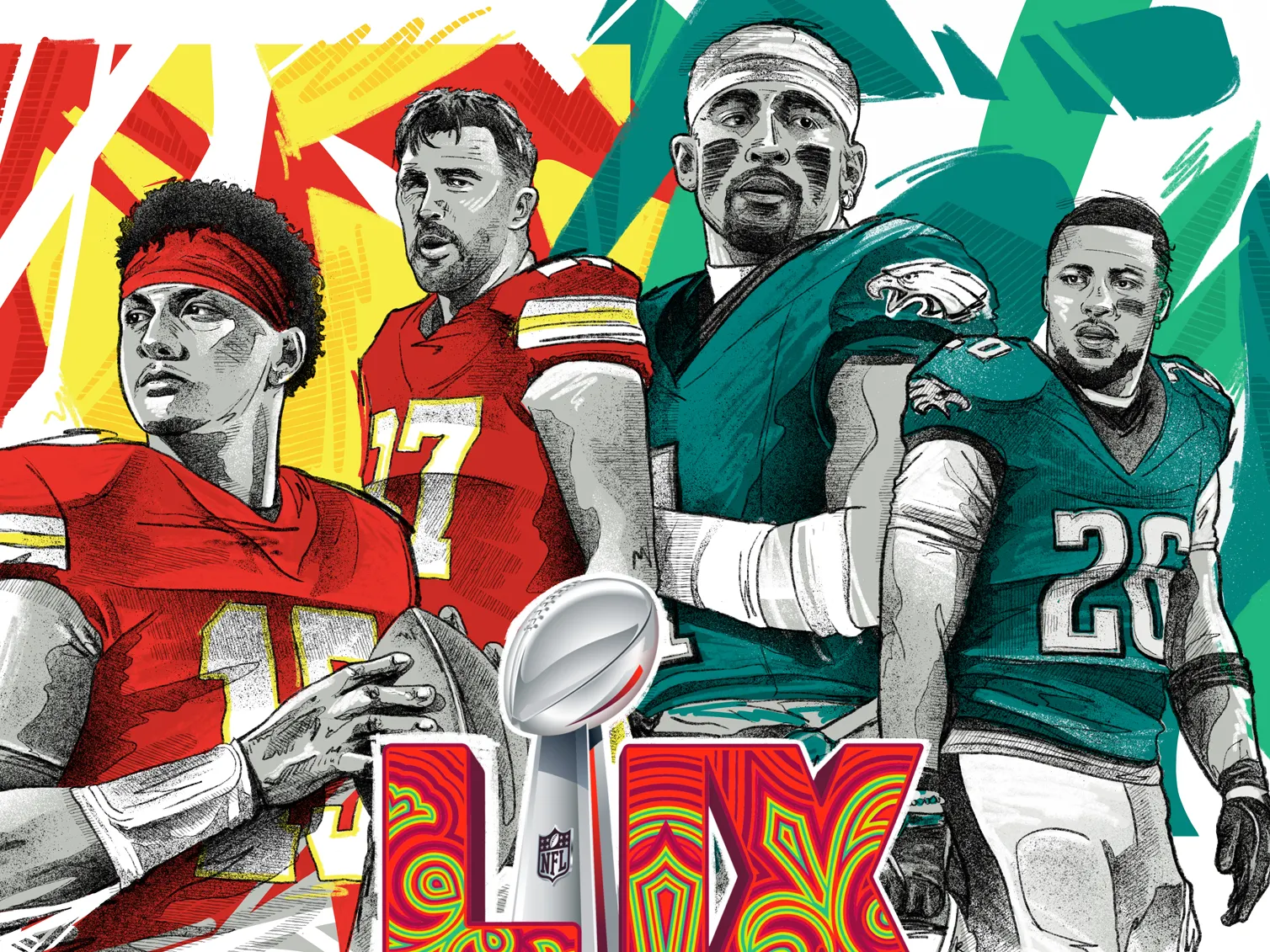
Super Bowl 49, held on February 1, 2015, at the University of Phoenix Stadium in Glendale, Arizona, is widely regarded as one of the most exciting games in NFL history. The clash between the New England Patriots and the Seattle Seahawks not only showcased elite athleticism and strategy but also left an enduring legacy that continues to resonate in the world of football. This matchup has become a focal point for discussions about game strategy, player performance, and the very essence of competition in sports.
Game Overview
Super Bowl 49 drew a massive television audience, with over 114 million viewers tuning in to watch the contest. The game was notable for its intense momentum shifts and high levels of drama, epitomized by the final moments. The New England Patriots, led by quarterback Tom Brady, entered the game with a strong season behind them, while the Seahawks, bolstered by their formidable defense known as the ‘Legion of Boom,’ aimed to secure back-to-back championships.
The game remained close throughout, with the Patriots establishing an early lead but the Seahawks fighting back, showing resilience at every turn. With just seconds left in the game and trailing by four points, the Seahawks made a pivotal decision that would be debated for years: opting to pass the ball rather than handing it off to their star running back, Marshawn Lynch, who was poised for a potential touchdown. This decision resulted in an interception by Patriots cornerback Malcolm Butler, sealing the game for New England with a final score of 28-24.
Significance and Impact
The outcome of Super Bowl 49 had significant implications for both franchises. For the Patriots, this victory cemented Tom Brady’s legacy as one of the greatest quarterbacks of all time, marking his fourth Super Bowl win. The game further amplified the Patriots’ brand in the NFL narrative, as they transitioned from a regional powerhouse to a dynastic team influencing how professional football is played and perceived.
For the Seahawks, the loss sparked widespread debate regarding coaching decisions and game management, fundamentally changing how teams approach critical game situations. The aftermath of that decision significantly affected the Seahawks’ trajectory as they aimed to return to championship form in subsequent seasons.
Conclusion
In retrospect, Super Bowl 49 was not just a remarkable sporting event; it was a timeless reminder of the unpredictable nature of sports, showcasing moments that blend triumph with heartbreak. As fans and analysts continue to dissect its implications, the game stands as a benchmark for future Super Bowls, merging a captivating narrative with dynamic athletic performances. The discussion surrounding this particular Super Bowl remains relevant, ensuring its place in NFL lore.