Introduction
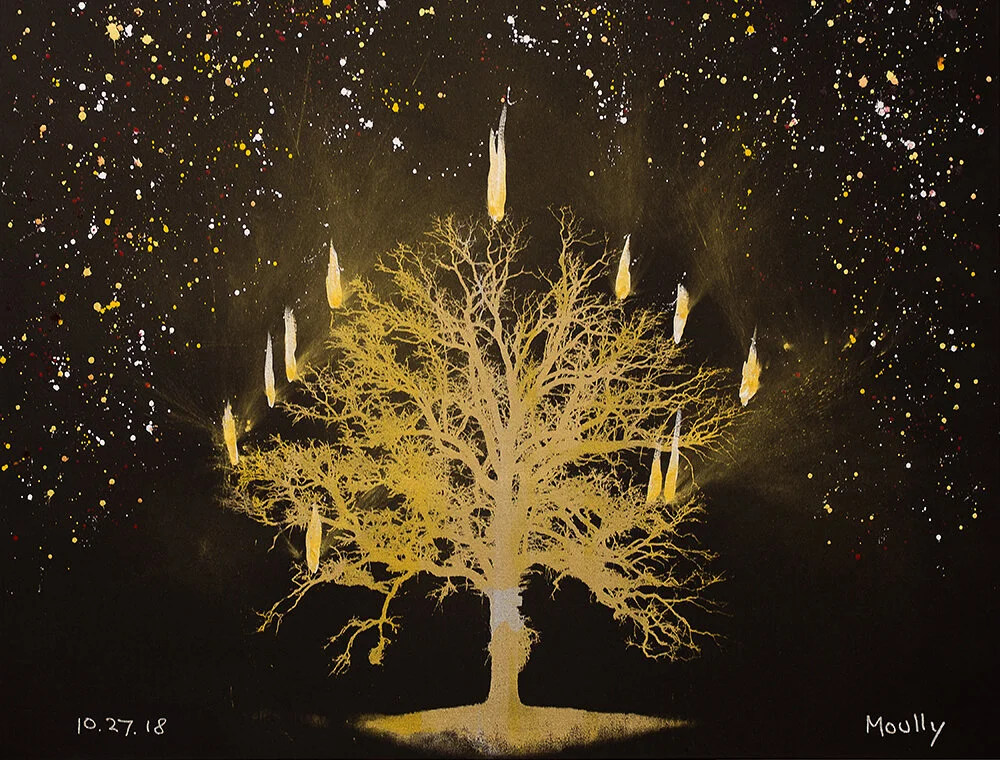
The Tree of Life Synagogue in Pittsburgh has become a powerful symbol of resilience and community strength following the tragic events of October 27, 2018. Understanding its significance is crucial not only for the local community but also for the broader American narrative surrounding tolerance, remembrance, and healing.
Background of the Tree of Life Synagogue
Founded in 1864, the Tree of Life Synagogue is one of the oldest synagogues in the United States. Located in the Squirrel Hill neighborhood, it has served the Jewish community for over a century, providing a space for worship, education, and fellowship. Its architecture is notable, blending traditional designs with contemporary elements, making it a beloved landmark in Pittsburgh.
The Tragedy
The congregation faced unimaginable sorrow in 2018 when a gunman entered the synagogue during Shabbat services and opened fire, resulting in the deaths of eleven members of the community. This act of violence shocked the nation and prompted an outpouring of support from various communities, demonstrating a collective stand against anti-Semitism.
Community Response and Healing
In the aftermath of the attack, Pittsburgh’s diverse communities rallied together in a show of solidarity. Vigils and memorials were held, and citizens from different faiths joined the Jewish community in mourning. Initiatives such as creation of murals, memorials, and educational programs have emerged to promote dialogue about hate, tolerance, and understanding. The site of the synagogue has also become a focal point for discussions on gun violence and social justice.
Current Developments
As of 2023, the Tree of Life Synagogue is working on plans to rebuild and enhance its facilities. This rebuilding will not only restore a physical structure but aims to create a welcoming space for interfaith gatherings and community events, promoting healing and unity in the aftermath of tragedy. The synagogue has also initiated several educational programs aimed at combating discrimination and promoting peace.
Conclusion
The Tree of Life continues to stand as a testament to the spirit of resilience in Pittsburgh. Its transformation from a site of profound loss to a beacon of hope signifies the strength of community bonds in times of adversity. As the synagogue moves forward with its restoration and community outreach efforts, it highlights the ongoing need for dialogue, understanding, and action against hate. The lessons learned here resonate far beyond Pittsburgh, reminding us of our shared humanity and the importance of compassion.