Introduction
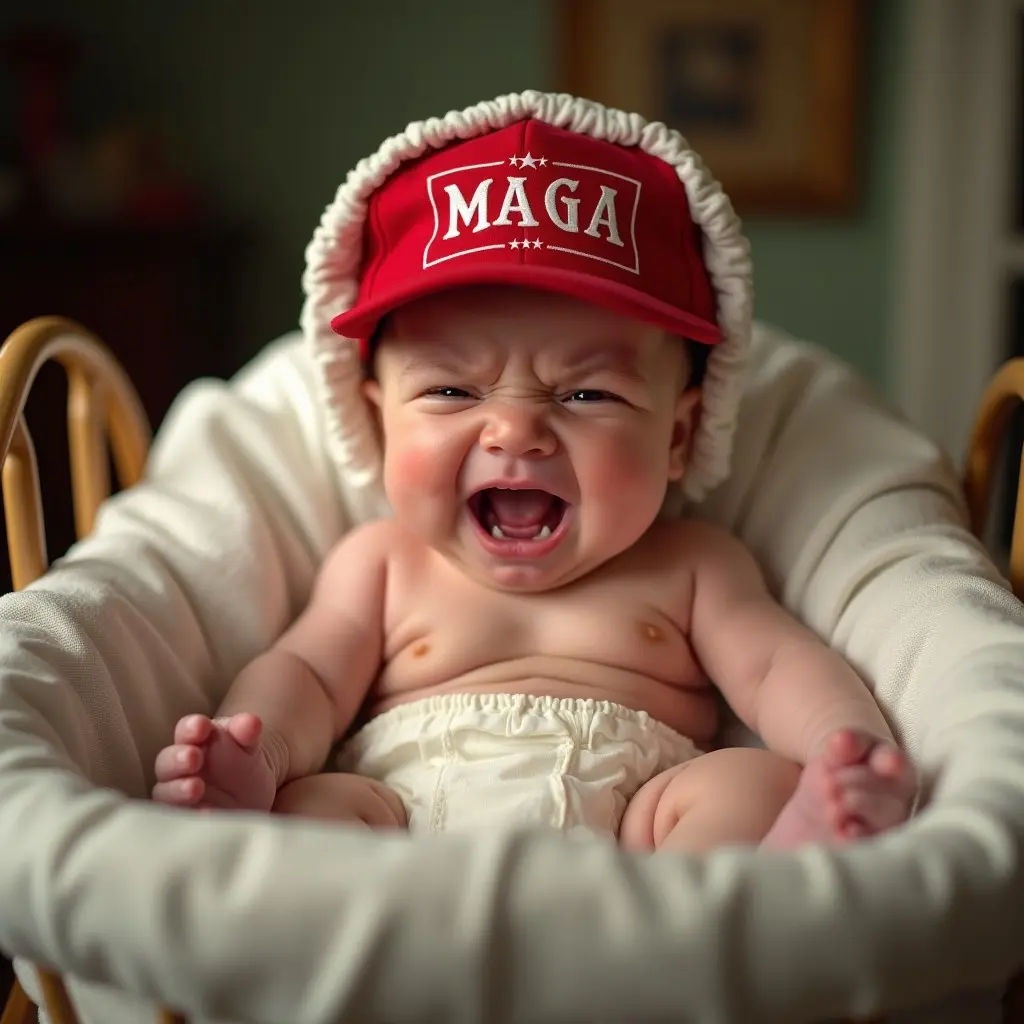
The Trump Baby account, known for its satirical take on former President Donald Trump, continues to spark debate and discussions across social media platforms. Launched during Trump’s presidency, the account features politically charged cartoons and memes often depicting the former president in an exaggerated manner. As political polarization in the United States intensifies, understanding the impact and relevance of accounts like Trump Baby is critical for grasping the current media landscape and public sentiment.
The Emergence of Trump Baby
The Trump Baby account came into prominence during the 2018 protests against the then-President’s policies, especially during his state visit to the UK. It rapidly gained followers due to its humorous yet poignant cartoons that resonated with many individuals who were opposed to Trump’s administration. The account not only gained popularity among those who disliked Trump but also drew attention from mainstream media, showcasing the blending of political commentary with social media’s influence.
As political dialogues shifted online, the Trump Baby account became a symbol of resistance for many, illustrating how humor can be used effectively to critique political figures and actions. The use of caricatures, much like political cartoons in newspapers, serves as a reminder of the power of visual satire in the digital age.
Recent Developments and Backlash
In recent months, the Trump Baby account has faced both support and criticism. Some users argue that it perpetuates divisiveness, contributing to the hostility that characterizes current political dialogue. Others defend it as a necessary form of expression and an outlet for frustration with the government. The account continues to post regularly, adapting its content to address current events and Trump’s ongoing presence in the political arena.
Additionally, the 2024 presidential election is approaching, which may amplify the volume of content generated by such accounts. Social media’s role in shaping public perception and political narratives makes it essential to monitor the conversations being held online.
Conclusion
The Trump Baby account serves as a clear example of how digital media is utilized for political commentary and satire. Its continued relevance illustrates the intersection of humor and politics, especially in a time of heightened tensions. As elections draw near, the debate regarding accounts like Trump Baby will likely become more acute—challenging audiences to ponder the role of satire in political discourse and the implications it holds for democracy. Observing the engagement on platforms such as Twitter and Instagram will be vital to understand how political messaging will evolve in the years to come.