Introduction
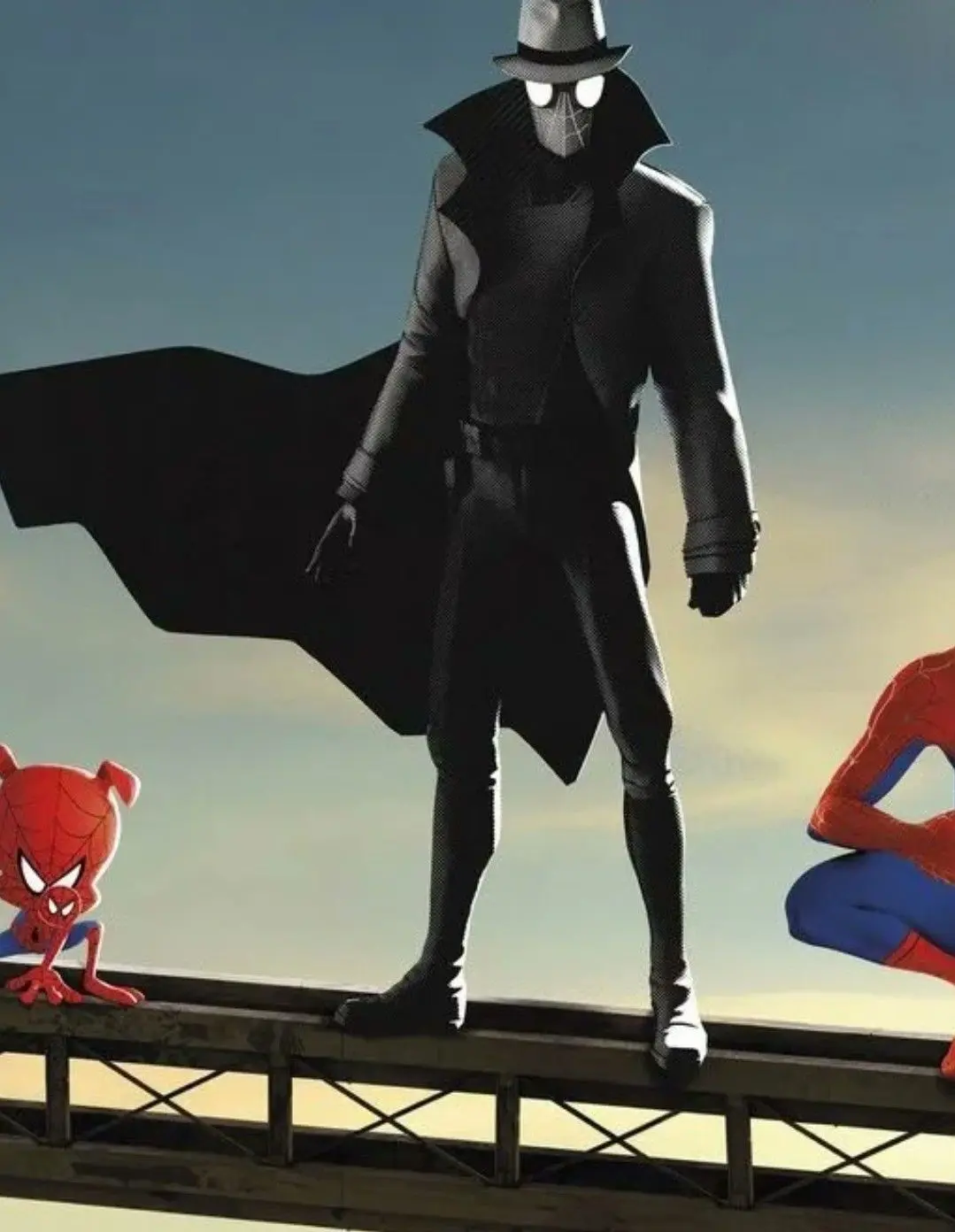
Spider Noir, a fascinating twist on the beloved Spider-Man character, explores a darker, grittier narrative set in the 1930s. This iteration is significant as it presents a unique merger of classic superhero elements with the moody and shadowy aesthetics of film noir. The character delves into themes of morality, justice, and the struggles of an antihero, making it particularly relevant in today’s diverse comic landscape.
Background of Spider Noir
First introduced in the comic series Spider-Man: Noir in 2009, Spider Noir was created by David Hine and Fabrice Sapolsky. Set in a reimagined version of New York City during the Great Depression, the series explores a world steeped in corruption and crime. It offers readers an opportunity to see an alternate reality where Peter Parker’s story is interwoven with the struggles of the early 20th century, including themes of social justice and economic disparity.
Current Developments
The popularity of Spider Noir has surged, particularly with the recent emphasis on multiverse stories in films and comics. The character was featured in the animated film Spider-Man: Into the Spider-Verse, which celebrated various Spider-People from different realities. Portrayed by Nicolas Cage, Spider Noir quickly became a fan favorite, showcasing the character’s unique virtues, as well as his philosophical musings, providing a fresh voice to the Spider-Man saga.
Additionally, his appearances in crossover events and series have re-emphasized the potential of noir storytelling within the comic book genre. Comic aficionados and new readers alike have been drawn to the character’s complex morality and visually compelling art style that marries classic noir illustrations with modern comic aesthetics.
Significance and Future Trends
With the ongoing success of the Spider-Verse franchise and the exploration of alternative narratives in superhero storytelling, Spider Noir’s appeal is likely to continue its upward trajectory. As creators look to push boundaries and reimagine classic characters, we may see further projects that either expand upon his story or introduce similar noir-inspired heroes.
In conclusion, Spider Noir stands as a prime example of how diverse storytelling can enhance the superhero genre. As interest in multiverse storytelling grows, readers can expect to see more crossovers and innovative tales featuring Spider Noir and the rich, complex narratives he represents. This not only invigorates the Spider-Man legacy but also invites discussions on socio-political themes that resonate today.