Introduction
The Walk for Peace initiative has emerged as a significant and unifying event in recent times, aiming to promote understanding, tolerance, and cooperation among diverse communities. With rising global tension and conflict, such acts of solidarity have never been more critical. The Walk for Peace not only allows participants to express their commitment to peace but also amplifies voices that advocate for non-violence and reconciliation.
Details of the Movement
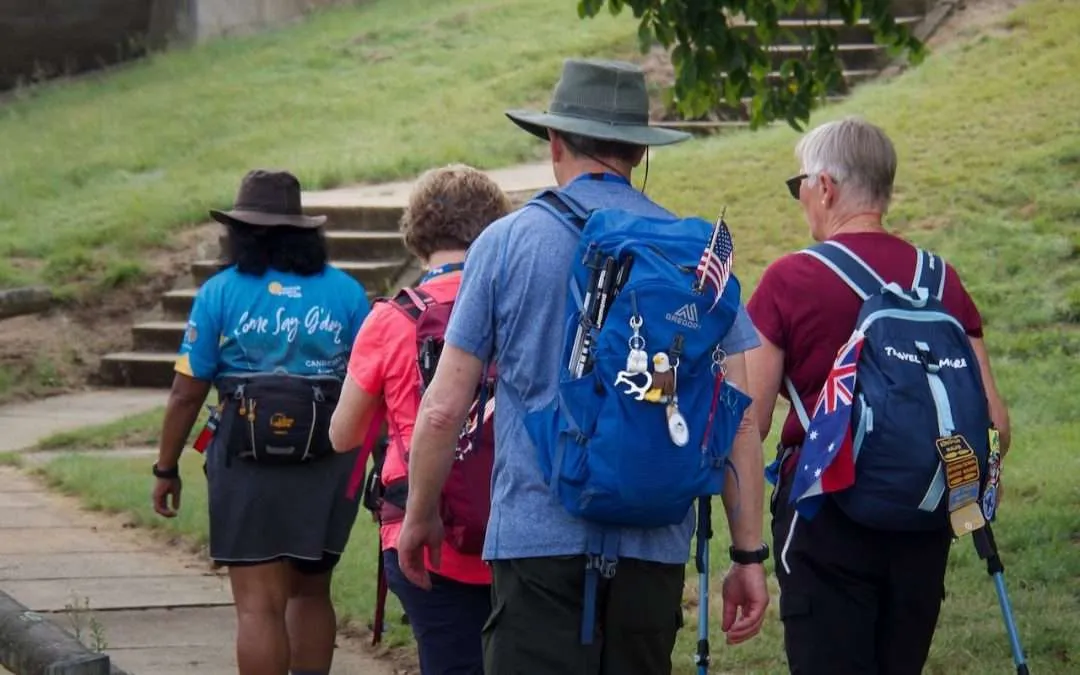
On October 15, 2023, thousands of participants gathered in various cities across the globe, from London to New York, to take part in the Walk for Peace. The events, organized by local NGOs and community leaders, featured speeches from peace activists, cultural performances, and communal gatherings that underscored the need for unity. Participants donned white shirts symbolizing peace and carried banners with messages promoting harmony.
This year’s Walk for Peace was marked by a particular emphasis on mental health awareness and community support, which is essential in fostering an environment where dialogue can thrive. Many organizations used the platform to highlight their initiatives aimed at reducing violence and promoting mental health resources, ensuring that the focus on peace extends beyond just one day of walking.
Community Impact
In cities like Los Angeles, the event brought together individuals from various backgrounds, demonstrating the power of collective effort in addressing societal issues. Local leaders stated that such gatherings not only create a sense of community and shared purpose but also remind individuals that peace can start at the grassroots level. Reports indicate that participation in the event increased by approximately 30% compared to the previous year, underscoring the growing public interest and desire for peace initiatives.
Conclusion
The Walk for Peace serves as a reminder of the fundamental human aspiration for peace and cooperation. In a time where division and strife often dominate headlines, events like these foster hope and provide a platform for dialogue and understanding. Looking ahead, it is crucial for communities to continue these conversations and advocate for non-violent solutions to conflict. By participating in such movements, individuals contribute to a larger narrative aimed at peace, illustrating that through solidarity and shared values, real change can be achieved.