Introduction
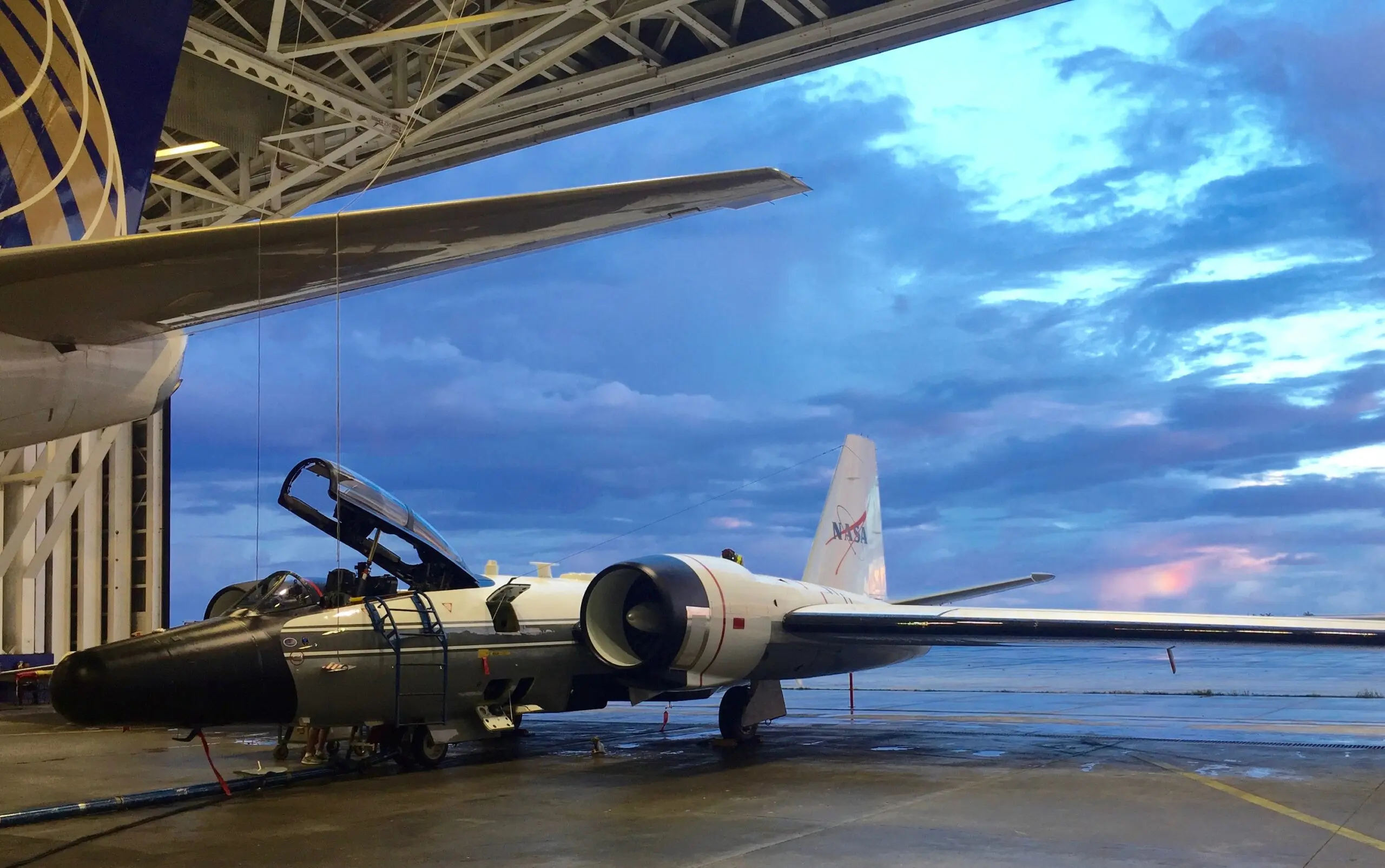
The WB-57 is a military reconnaissance aircraft developed by NASA from the original Convair 340/440 airliner. Since its inception in the 1950s, it has played a crucial role in various military and scientific missions, standing out due to its high-altitude capabilities and versatile design. Understanding the significance of the WB-57 is not just about acknowledging its past; it reveals insights into the advancements in aerial surveillance, atmospheric research, and military strategies over decades.
History and Development
Initially introduced as the B-57 Canberra, the aircraft was designed for tactical nuclear bomb delivery. But as technology evolved, so did its purpose. By the 1970s, the B-57 variant was modified to serve as the WB-57, focusing on environmental and atmospheric research. Equipped with various sensors, the WB-57 has conducted missions to monitor the upper atmosphere, including the ozone layer and studies related to climate change.
Recent Missions and Usage
Fast forward to today, the WB-57 continues to function, not merely as an aging relic of military aviation, but as a crucial tool for modern research. Recently, it has been employed in scientific missions aimed at understanding phenomena such as hurricanes and atmospheric turbulence. NASA, in collaboration with a number of academic institutions, has utilized the aircraft in the field of atmospheric science, especially during the ongoing era of climate change, enhancing our understanding of meteorological patterns and environmental concerns.
Significance and Future Prospects
With the increasing importance of scientific data collection amidst global climate issues, the WB-57’s role remains vital. Its endurance and flexibility allow it to operate at altitudes often inaccessible to other aircraft, providing invaluable information. As the military and scientific communities look for new ways to collect data efficiently, the legacy of the WB-57 as an innovative tool seems poised to continue. The aircraft exemplifies how historical military technology can adapt for future applications in research and environmental monitoring.
Conclusion
The WB-57 is more than just an aircraft; it symbolizes the evolution of aviation from military applications to essential tools for scientific exploration. Its ongoing use highlights the importance of adapting historical technology to address contemporary challenges, including climate change. For those interested in military history, aviation technology, or environmental science, understanding the WB-57’s capabilities and contributions provides a deeper appreciation for its role in shaping our understanding of the world.