Introduction
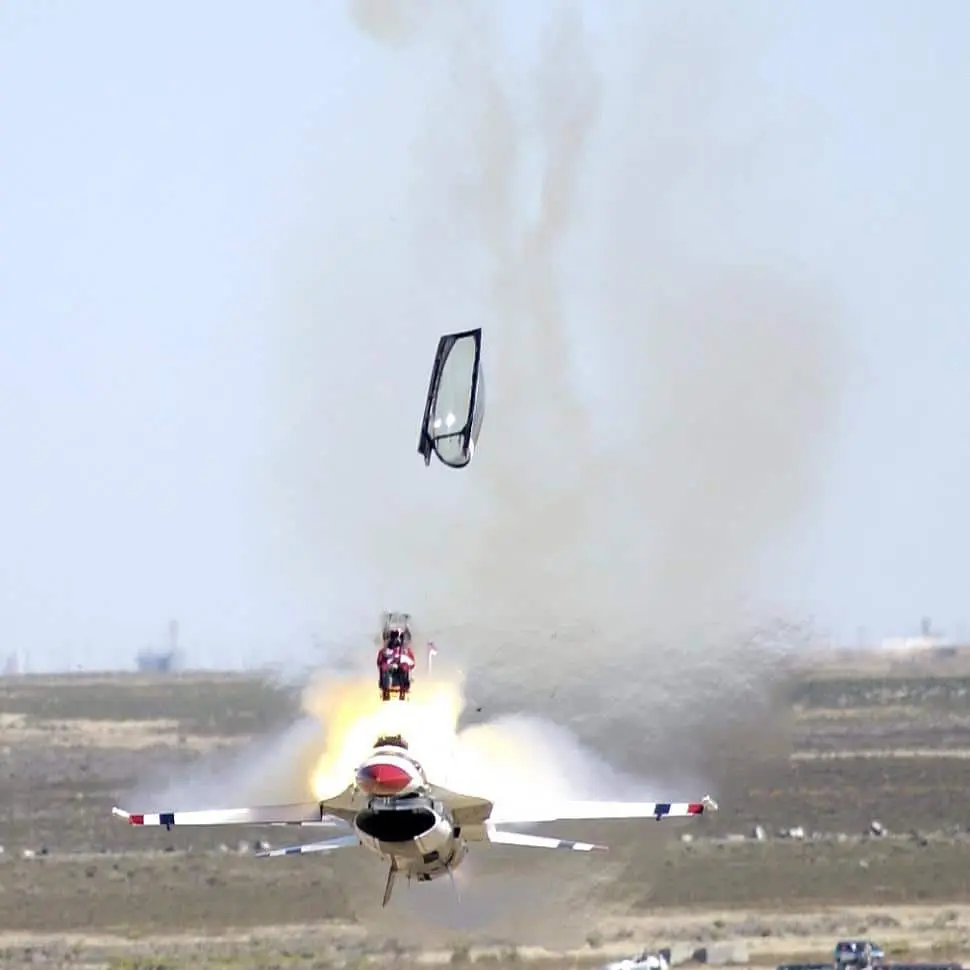
The recent crash of a Thunderbird F-16 fighter jet has garnered significant attention, highlighting the ongoing challenges in aviation safety. This incident is crucial not only for military aviation but also for public perception of air safety protocols.
Details of the Incident
On October 12, 2023, a Thunderbird Air Force jet was involved in a crash during a practice flight over the Nevada desert. The pilot ejected safely and was reported to have only minor injuries. Initial reports suggest that mechanical failure may have been a contributing factor to the accident.
Response and Investigation
Following the crash, the U.S. Air Force grounded the Thunderbird fleet pending a thorough inspection of all aircraft. A panel of aviation experts has been convened to investigate the incident, analyzing the aircraft’s systems and maintenance records to determine the cause. The grounding highlights the military’s commitment to safety and the rigorous protocols that govern flight operations.
Implications for Aviation Safety
The Thunderbird crash raises broader implications for both military and civilian aviation sectors. Incidents involving advanced fighter jets often trigger discussions about pilot training, aircraft maintenance standards, and emergency response protocols. The Air Force has emphasized the importance of learning from each incident to enhance overall safety measures.
Conclusion
As investigations into the Thunderbird crash continue, the incident serves as a reminder of the critical importance of aviation safety. The insights gained from this event are expected to inform future practices and regulations within not only military aviation but also the commercial aviation industry. Moving forward, stakeholders will be watching closely to see how the findings impact safety measures and public confidence in aerial operations.