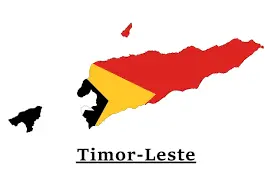
Introduction
Timor-Leste, also known as East Timor, is a young nation in Southeast Asia that gained independence from Indonesia in 2002. Its significance stems not only from its tumultuous history but also from its vibrant culture and untapped natural resources. In recent years, Timor-Leste has been making strides toward economic growth and development, capturing the attention of international observers and investors alike.
Recent Developments
In 2023, the Timorese government initiated several key projects aimed at boosting the national economy and improving the lives of its citizens. One of the most significant is the establishment of a national oil company, which aims to generate revenue from the country’s plentiful offshore oil and gas reserves. This endeavor is seen as a critical step in achieving sustainable development and reducing dependency on foreign aid.
Additionally, the government is investing heavily in infrastructure projects, including roads, schools, and healthcare facilities. These projects are being funded in part through international aid and partnerships, showcasing the potential for cross-border collaboration. The Asian Development Bank (ADB) has been a crucial ally, providing both financial support and technical expertise to help Timor-Leste navigate its growth journey.
Challenges Ahead
Despite these positive developments, Timor-Leste faces a myriad of challenges. Economic diversification remains a pressing issue, as the country relies heavily on oil revenues. Fluctuations in global oil prices can significantly affect the national budget and economic stability. Furthermore, high unemployment rates and poverty levels continue to plague the population, hampering efforts to improve quality of life.
Corruption also poses a challenge to progress and development. Transparency International has consistently ranked Timor-Leste low on its corruption index, indicating that the government must focus on improving governance and accountability to foster a more conducive environment for investment and economic growth.
Conclusion
Timor-Leste stands at a crucial juncture as it works to build a brighter future. The combination of rich natural resources, a committed government, and international support creates a foundation for potential growth. However, without addressing the significant hurdles of economic dependency and governance issues, the nation may struggle to realize its aspirations. The journey ahead promises to be dynamic and challenging, making the developments in Timor-Leste of great interest to global observers and investors.