Introduction
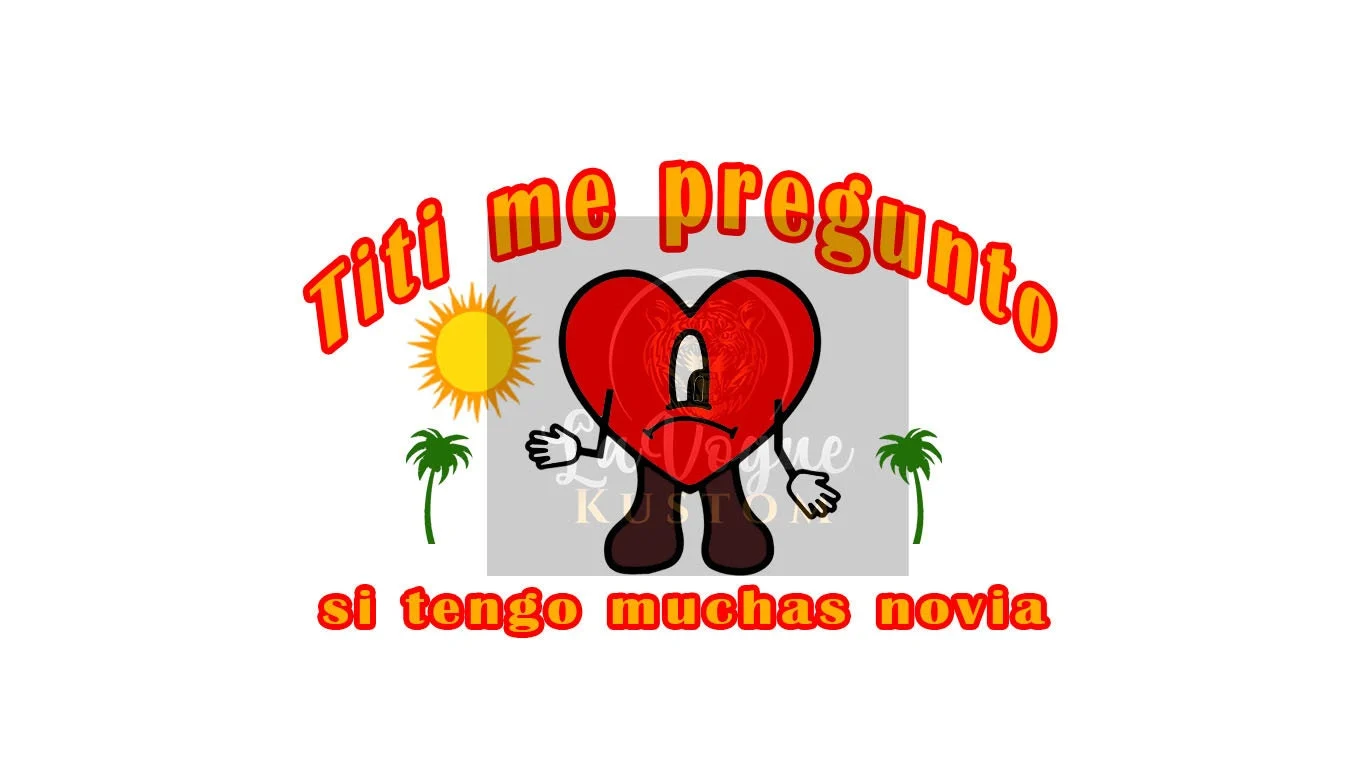
‘Titi Me Preguntó,’ a song by Puerto Rican artist Bad Bunny, has become a cultural phenomenon since its release. Known for its catchy melody and engaging lyrics, this song reflects current social themes and resonates with audiences worldwide. As music increasingly shapes cultural conversations, understanding its significance helps appreciate how contemporary artists influence society.
The Rise of Bad Bunny
Bad Bunny, whose real name is Benito Antonio Martínez Ocasio, has quickly risen to stardom in the Latin music scene. His unique blend of reggaeton, Latin trap, and various other genres has captured the attention of millions. The artist’s ability to tackle societal issues through his music has not only earned him critical acclaim but also a dedicated fanbase. With the release of ‘Titi Me Preguntó’ in 2022, he continued to solidify his status as a leading voice in modern music.
Thematic Elements of ‘Titi Me Preguntó’
The song revolves around themes of love, relationships, and family dynamics, offering a relatable narrative for listeners. Its title translates to “Aunt Asked Me,” leading to introspective questions regarding love life and societal expectations. Within the lyrics, listeners discover heartwarming anecdotes tempered with humor, showcasing a realistic portrayal of the complexities of romance and familial scrutiny.
Cultural Impact and Reception
‘Titi Me Preguntó’ received significant acclaim from music critics and fans alike, topping charts in several countries and garnering millions of streams on various platforms. Analyzing the track’s popularity reveals its ability to connect with diverse audiences and reflect cultural nuances prominent within Latino communities. The song’s infectious rhythm encourages listeners to dance, fostering a sense of unity among fans during live performances.
Conclusion
‘Titi Me Preguntó’ serves as more than just a song; it highlights how music can bridge cultural divides and reflect modern societal issues. As artists like Bad Bunny continue to craft songs that resonate with personal experiences and collective sentiments, the future of Latin music appears promising. With increasing global interest in reggaeton and Latin trap, it will be critical for both artists and listeners to embrace these evolving narratives in the years to come.