Background and Initial Expectations
Prior to the recent developments, the expectation surrounding military engagement in Iran was largely characterized by strategic caution. The geopolitical landscape had been tense, with various factions vying for influence in the region. The Tomahawk missile, a weapon known for its precision and lethality, had been primarily associated with U.S. military operations in conflicts involving allied nations like Japan and Australia. However, there was no public evidence suggesting that Iran possessed such advanced weaponry, which led many to believe that direct military action against Iran would be limited to conventional means.
The Decisive Moment
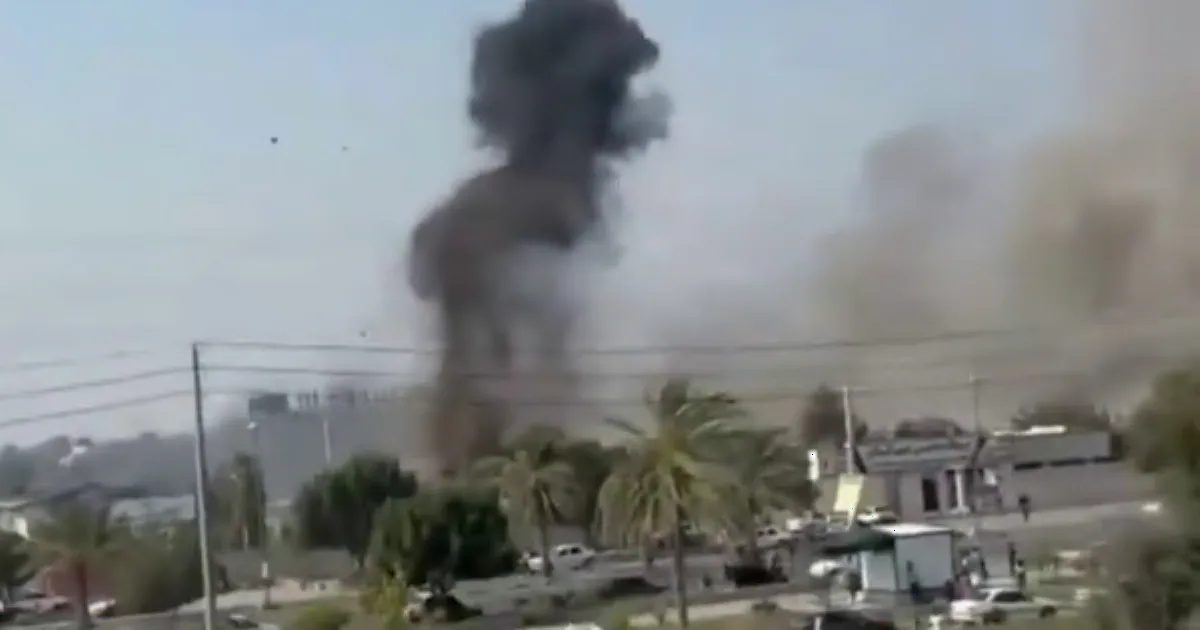
On February 28, 2026, this expectation was shattered when a U.S. Tomahawk missile struck the Shajarah Tayyebeh school in Minab, Iran, resulting in the tragic deaths of more than 170 people, according to reports. The missile strike occurred near a Revolutionary Guard base, a location that had been under scrutiny due to its military significance. The immediate aftermath saw at least 165 confirmed fatalities, raising alarm over the scale of the attack and its implications for U.S.-Iran relations.
Immediate Effects on the Parties Involved
The ramifications of the strike were profound. U.S. Central Command acknowledged the use of Tomahawk missiles during the ongoing conflict, marking a significant escalation in military operations in the region. The strike not only resulted in a humanitarian crisis but also intensified scrutiny on the U.S. military’s engagement strategies. Legal experts have warned that the strike could constitute a violation of international law, particularly given the civilian casualties involved. The Pentagon has since initiated an internal assessment of the airstrike, reflecting the gravity of the situation.
Expert Perspectives
Experts have weighed in on the implications of the missile strike. Janina Dill, a legal scholar, emphasized that “attackers are under an obligation to do everything feasible to verify the status of the targeted object,” highlighting the ethical and legal responsibilities that accompany military actions. Meanwhile, Donald Trump remarked on the general nature of Tomahawk missiles, stating, “Whether it’s Iran or somebody else … a Tomahawk is very generic,” suggesting a broader context of military engagement that transcends specific conflicts.
Verification and Ongoing Conflict
Independent verification of the attack remains limited due to the ongoing conflict, complicating the narrative surrounding the missile strike. Investigative group Bellingcat was among the first to examine video footage showing the missile impact, contributing to the discourse on accountability and transparency in military operations. As the situation unfolds, the lack of public evidence regarding Iran’s possession of Tomahawk missiles raises further questions about the motivations behind the strike and the broader implications for international relations.
Conclusion and Future Considerations
The missile strike in Iran represents a significant shift in military strategy and raises critical questions about the legality and morality of such actions. As the U.S. military continues to navigate the complexities of engagement in the region, the consequences of this strike will likely resonate for years to come. Details remain unconfirmed regarding the full extent of the strike’s impact, but the event has undoubtedly altered the landscape of U.S.-Iran relations and the discourse surrounding military intervention.