Who is involved
Before the recent tornado activity in Craighead County, Arkansas, the region was under a tornado watch, indicating conditions were favorable for tornadoes to develop. This watch was issued until 11 p.m. on March 16, 2026, and included multiple counties such as Greene, Clay, and Dunklin. The National Weather Service (NWS) had previously reported a high risk of tornadoes a year earlier, on March 15, 2025, which set a precedent for heightened awareness in the area.
However, the situation escalated dramatically when a tornado warning was issued for northwestern Craighead County until 6:30 p.m. This warning signified that a confirmed tornado was located over Minturn, moving northeast at a speed of 55 mph. The issuance of the warning prompted immediate action from residents, with the NWS urging individuals to take shelter, advising them to move to the lowest level or the most interior part of their homes.
As the warning unfolded, the impact was felt across the region. Damaging winds of 67.5 mph were reported in Jonesboro, causing concern for the safety of residents. The NWS emphasized that flying debris would be dangerous to those caught without shelter during a tornado warning, and there were warnings that mobile homes could be damaged or destroyed. Additionally, damage to roofs, windows, and vehicles was likely during this critical period.
In a swift turn of events, the NWS later canceled the tornado warning for northwestern Craighead County due to the weakening of the storm. This decision was based on real-time assessments of the storm’s intensity, which highlighted the dynamic nature of severe weather. The cancellation provided a brief respite for residents, but the threat of severe weather remained, with meteorologists indicating that the severe weather threat was expected to continue into the following day.
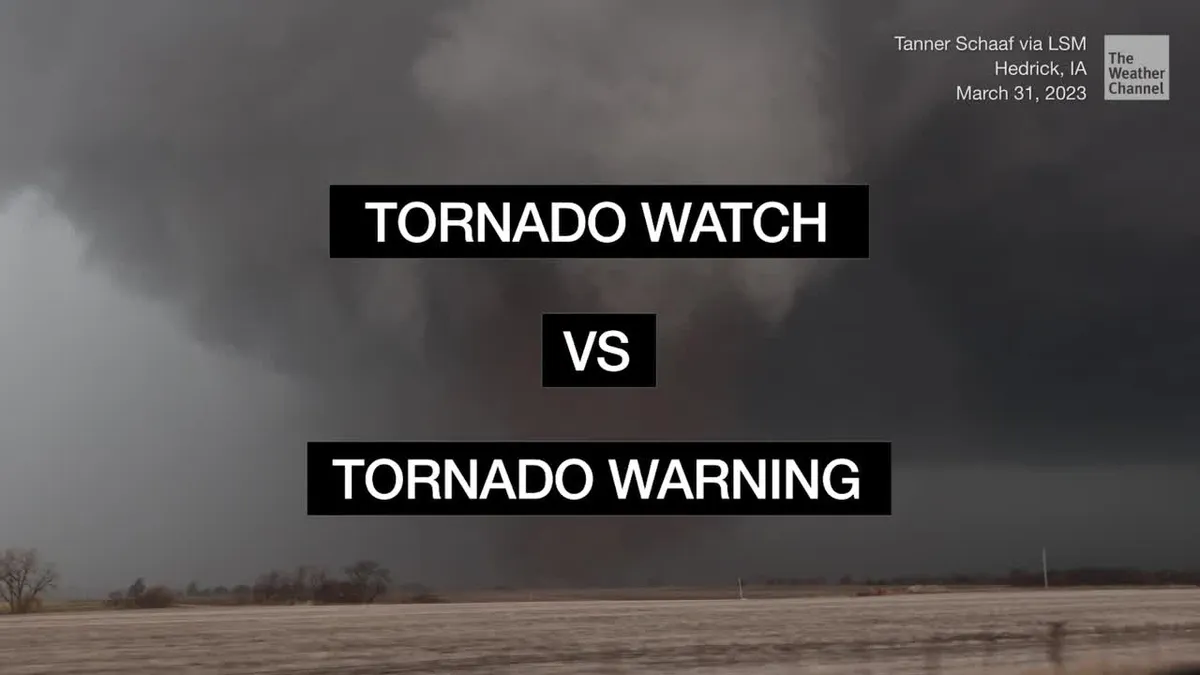
Expert voices from the NWS played a crucial role in guiding the public response during this event. They reiterated the importance of understanding the differences between a tornado watch and a tornado warning. While a watch indicates potential tornado development, a warning signifies that a tornado has been sighted or indicated by radar. This distinction is vital for ensuring that individuals take appropriate safety measures.
In the context of this recent event, the NWS stated, “The tornadic thunderstorm which prompted the warning has weakened. Therefore, the warning has been cancelled.” This statement underscored the importance of ongoing monitoring and communication during severe weather events. Meteorologist Marquise Meda added, “We could see more storms tomorrow. We’re not done quite yet in regard to the severe weather threat,” highlighting the need for continued vigilance.
As the community reflects on the recent tornado watch and warning, it is essential to recognize the significance of preparedness and awareness. The tornado watch included areas with a history of significant tornadoes, emphasizing the need for residents to remain informed and ready to respond. The events of March 16 serve as a reminder of the unpredictable nature of severe weather and the importance of understanding the alerts issued by the National Weather Service.
Details remain unconfirmed regarding the full extent of the damage caused by the storms, but the swift response from the NWS and local authorities illustrates the critical role of timely information in safeguarding lives during severe weather events.