Who is involved
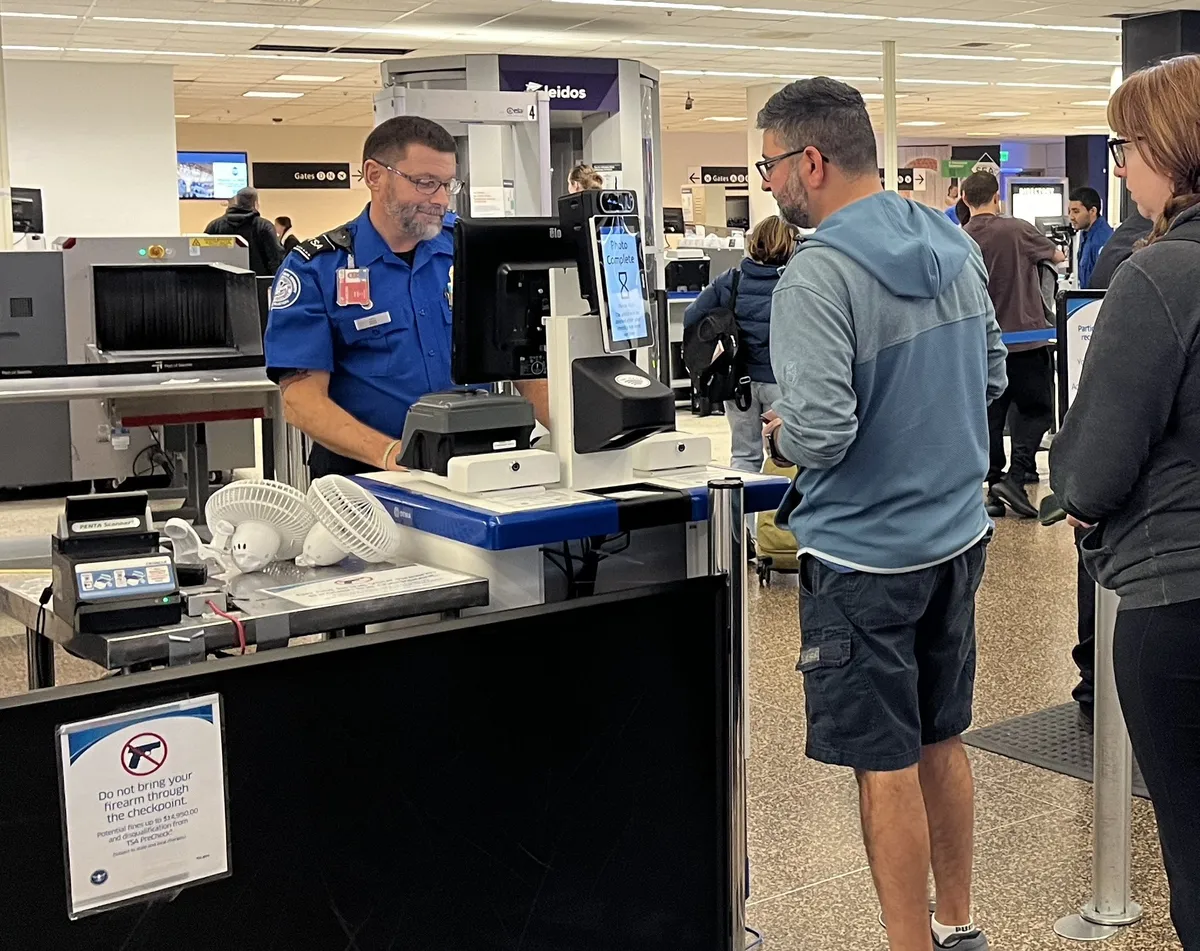
In 2027, President Donald Trump proposed a significant shift in airport security management by advocating for the privatization of the Transportation Security Administration (TSA). This proposal emerged amid ongoing challenges faced by the TSA, particularly during government shutdowns that have led to long security lines at airports across the country. The expectation prior to this development was that TSA would continue to operate as a federal agency, providing security screenings at airports nationwide.
The decisive moment came with the announcement of the 2027 budget proposal, which included a request for $63 billion for the Department of Homeland Security (DHS), reflecting a decrease of $2.2 billion from the previous year. This budget also indicated that $52 million would be cut and saved through the privatization of TSA operations. The rationale behind this shift is to ensure that TSA screeners receive pay during future government shutdowns, a concern that has been highlighted by the TSA union, which warns that privatization could lead to reduced pay and protections for workers.
The immediate effects of this proposed privatization are multifaceted. On one hand, the White House has indicated that airports utilizing private contractors for security screenings have demonstrated cost savings compared to federal operations. This suggests a potential for increased efficiency and reduced operational costs. However, the TSA’s union has raised alarms about the implications for worker pay and job security, indicating that the privatization could adversely affect the livelihoods of TSA agents.
Moreover, the impact of the ongoing partial government shutdown has been evident, with reports of an 11% call-out rate among TSA workers during this period. This has resulted in significant delays and long wait times for travelers at major U.S. airports, further complicating the situation. Trump has directed the DHS to ensure that TSA agents affected by the shutdown are compensated, highlighting the administration’s recognition of the challenges faced by airport security personnel.
In a related incident, Pima County Sheriff Chris Nanos was stopped by TSA agents for attempting to carry a loaded gun in his carry-on luggage at Tucson International Airport. This incident, which occurred on November 6, 2024, underscores the complexities and challenges that TSA agents face in maintaining security while managing a high volume of travelers. Although the sheriff was not charged, the event raises questions about the effectiveness of current security measures and the potential implications of privatization on operational protocols.
Experts have noted that while the privatization of TSA operations may yield cost savings, the exact impact on worker pay and security risks remains unclear. The ongoing investigation into the Guthrie incident, which has not yet identified any suspects, further complicates the narrative surrounding airport security and the effectiveness of federal versus private screening operations.
As the TSA navigates these changes, the future of airport security remains uncertain. The balance between cost efficiency and the protection of workers’ rights will be a critical factor in determining the success of any privatization efforts. The administration’s push for privatization may lead to a reformation of a troubled federal agency, but the implications for security and worker welfare will need to be carefully considered.