Introduction
Tulsi Gabbard has emerged as a significant voice in American politics, representing a unique blend of progressive ideals and pragmatic approaches. As the first Hindu elected to the U.S. Congress and a veteran of the Iraq War, her multifaceted identity appeals to a diverse range of voters. Gabbard’s relevance has only intensified as political polarization increases, making her views particularly noteworthy in contemporary discussions.
Background
Born on April 12, 1981, in Leloaloa, American Samoa, Gabbard’s political career began at a young age. She served as the youngest-ever legislator in Hawaii when elected to the state’s House of Representatives in 2002. Gabbard gained national recognition when she served in Congress from 2013 to 2021, representing Hawaii’s 2nd congressional district. Throughout her tenure, she has focused on foreign policy, civil liberties, and environmental issues.
Key Policies and Standpoints
Gabbard gained attention for her anti-war stance, advocating for diplomacy over military intervention. She has been vocal against the United States’ involvement in conflicts overseas, often calling for a reevaluation of foreign policy aimed at promoting peace rather than military dominance. Additionally, Gabbard has championed issues like healthcare reform, climate change, and criminal justice reforms, aligning herself with popular progressive ideas but also seeking bipartisan cooperation.
Recent Developments
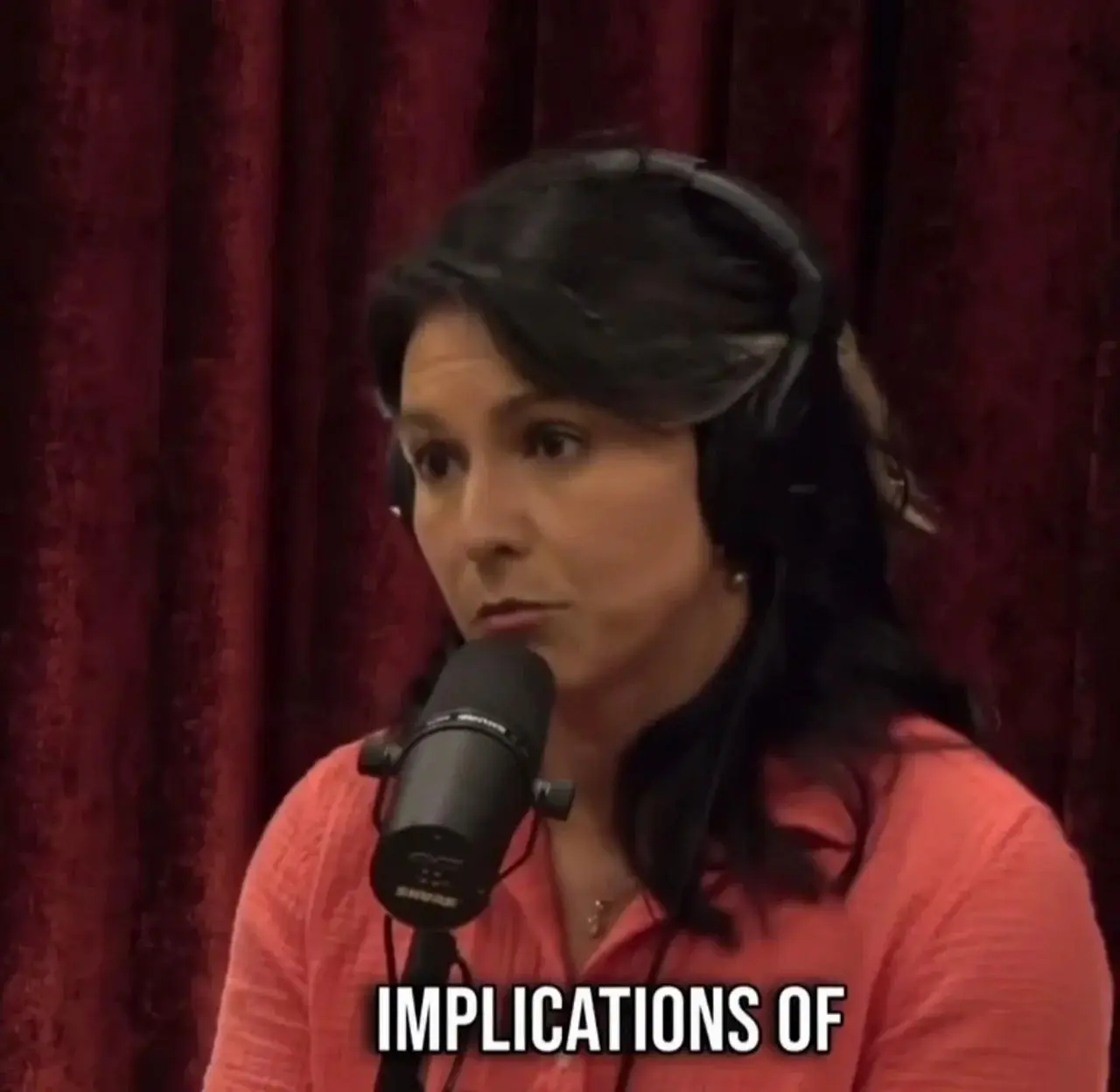
Since her departure from Congress, Gabbard has continued to remain active in political discourse. In 2023, she launched a new media platform aimed at fostering open dialogue among diverse political viewpoints. She also announced her intention to run for the presidency in the next election cycle, further positioning herself as a candidate willing to challenge established norms. Her ability to attract voters from both sides of the aisle could play a crucial role in the upcoming elections.
Conclusion
Tulsi Gabbard’s political journey reflects the evolving landscape of American politics, where diverse voices are increasingly pivotal. Her distinct combination of military experience, progressive values, and appeal to bipartisanship could make her a key player in the future of political dialogue in the United States. As the 2024 election season approaches, Gabbard’s influence and the issues she champions will likely resonate with many voters concerned about the current direction of the country.