Introduction
The Turning Point Halftime Show, held during the recent championship game, has emerged as a vital moment in sports entertainment. This halftime event captivated millions, showcasing an intersection of music, performance, and cultural significance that transcends the game itself. As halftime shows continue to evolve, this particular performance set a new standard, prompting discussions about the role of entertainment in sporting events.
Key Highlights from the Show
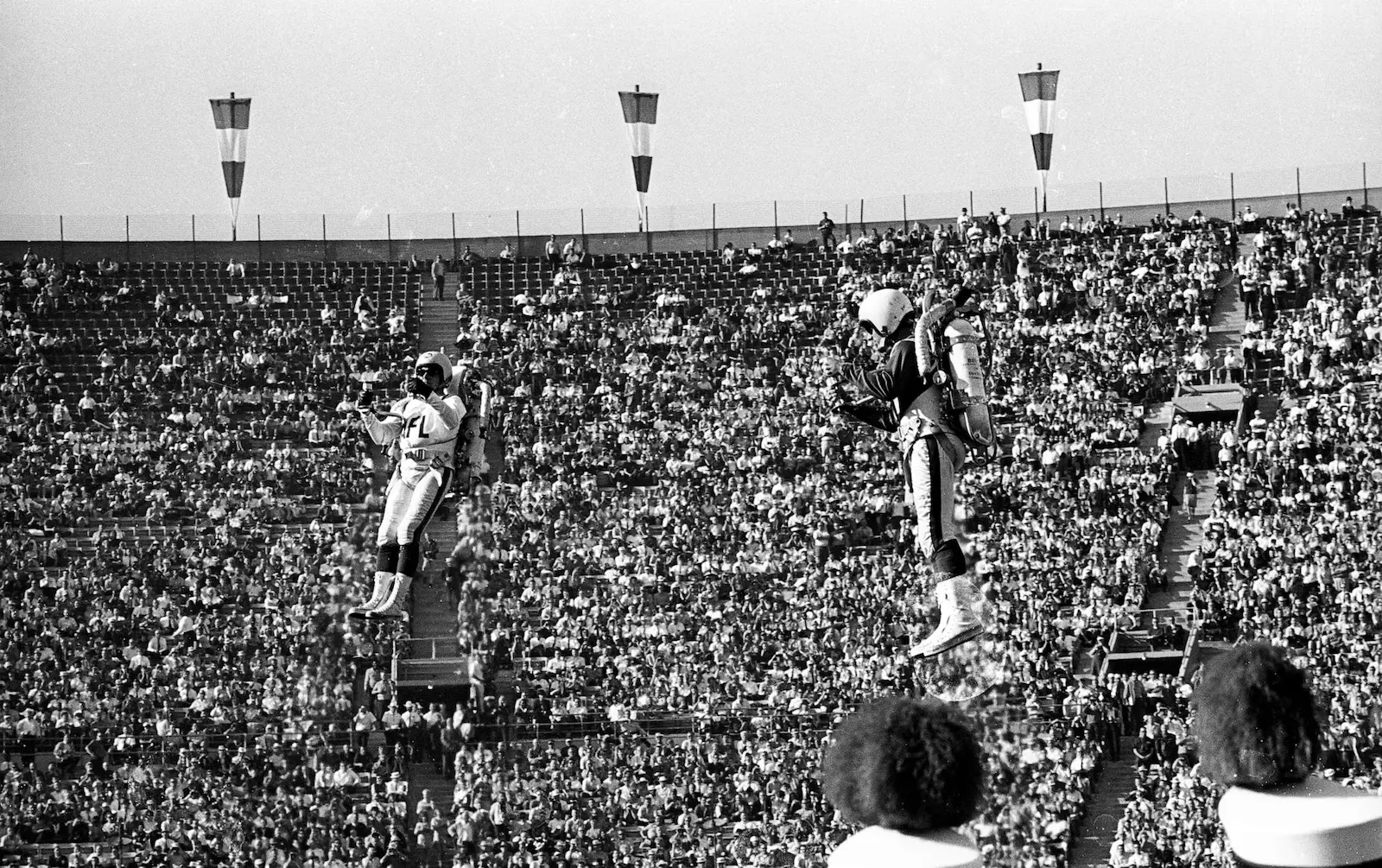
This year’s Turning Point Halftime Show featured a star-studded lineup, including popular artists and emerging talents who united to deliver a memorable performance. The show was notable for its innovative staging and choreography, utilizing cutting-edge technology to engage audiences both in the stadium and viewing from home. With a record-breaking viewership of over 120 million, the event’s production quality was widely praised, marking it as a pivotal moment in the entertainment landscape.
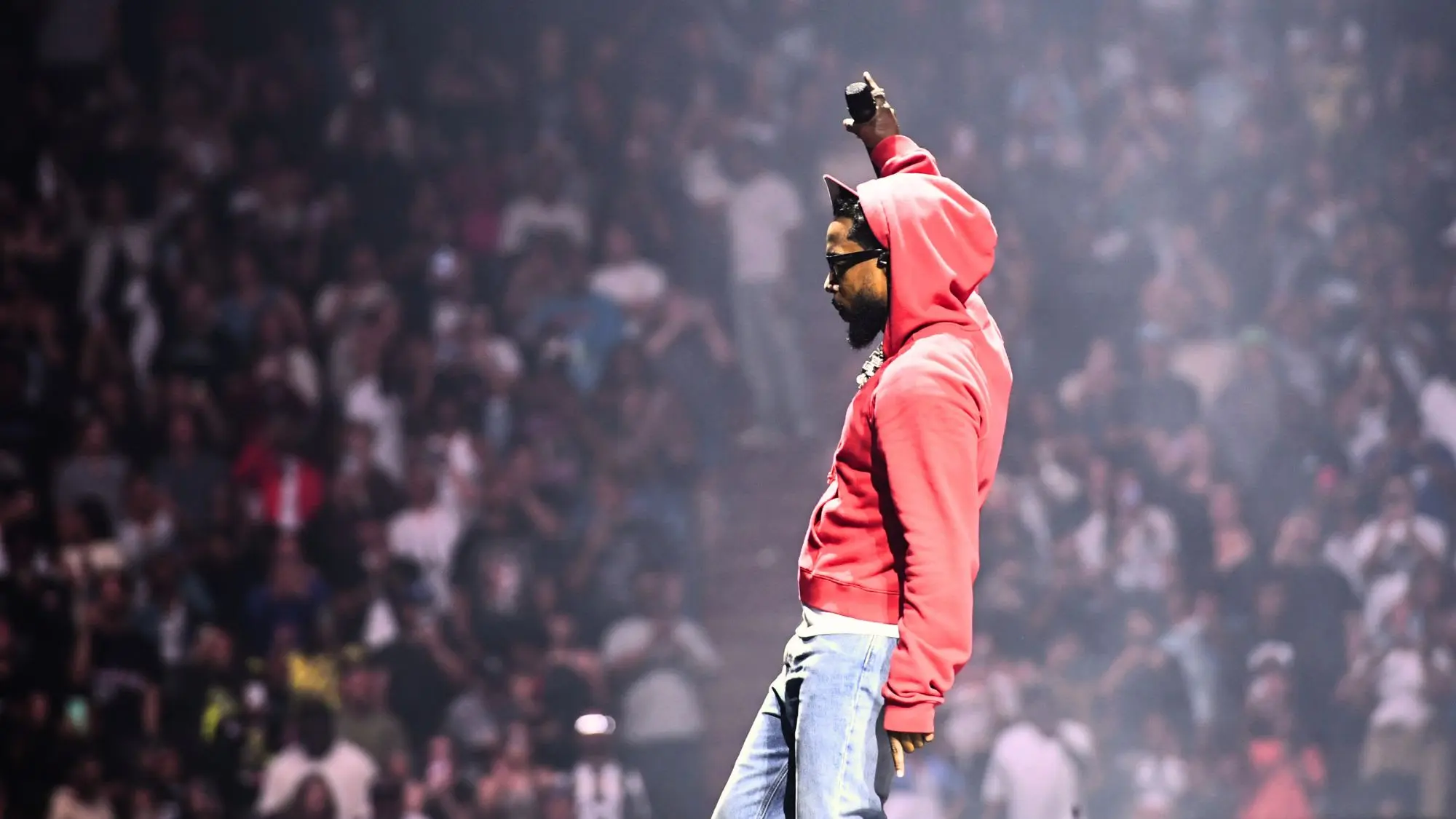
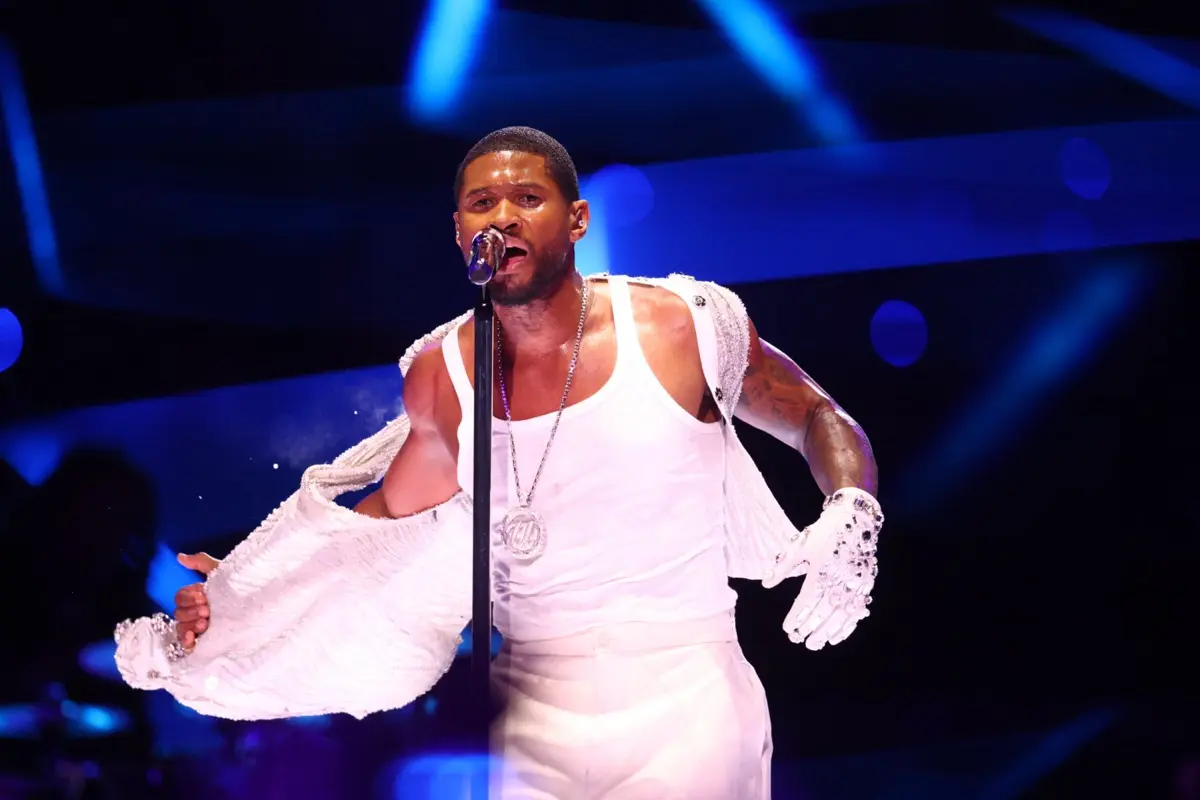
One standout performance came from Grammy-winning artist Jane Doe, who infused the stage with energy through a medley of her greatest hits. The choreography, featuring intricate dance routines by a diverse cast of performers, was met with enthusiasm and applause. Additionally, the integration of powerful visual effects and live audience interaction created an immersive experience, setting a high bar for future halftime shows.
Impact on Future Halftime Shows
The success of the Turning Point Halftime Show raises questions regarding the direction of future halftime performances. Experts note a trend toward more narrative-driven productions that prioritize storytelling alongside musical performances. With entertainers now capitalizing on the potential of halftime slots, organizations may look to entire film and music production teams to curate unique experiences that draw audiences in.
Moreover, the positive reception of the Turning Point Halftime Show suggests that athletes and entertainers can collaboratively engage fans in novel ways. Industry insiders predict that future collaborations between musicians and sports organizations may result in unique fusion events designed to entertain and engage wider demographics, bridging generational gaps.
Conclusion
The Turning Point Halftime Show signifies a pivotal moment in sports entertainment history, blending high-quality performances with cultural relevance. This artistic innovation is likely to influence upcoming halftime shows, reflecting broader trends that favor immersive and diverse entertainment experiences. As the excitement for sports and entertainment continues to intertwine, fans can anticipate even more thrilling spectacles at future events.