Who is involved
Before Uar Bernard emerged as a notable NFL draft prospect, expectations surrounding athletes from Nigeria in American football were modest. Traditionally, the pathway for Nigerian athletes into the NFL has been limited, often relying on established routes through collegiate football in the United States. Bernard’s journey, however, marks a significant departure from this norm, as he has virtually no high-level organized football experience.
Bernard, a 21-year-old from a small village in Nigeria, was initially discovered while playing basketball. His athletic prowess caught the attention of scouts, leading him to participate in several camps across Africa. This exposure ultimately paved the way for his selection in the NFL’s International Player Pathway program, a significant moment that shifted the landscape for aspiring athletes from non-traditional backgrounds.
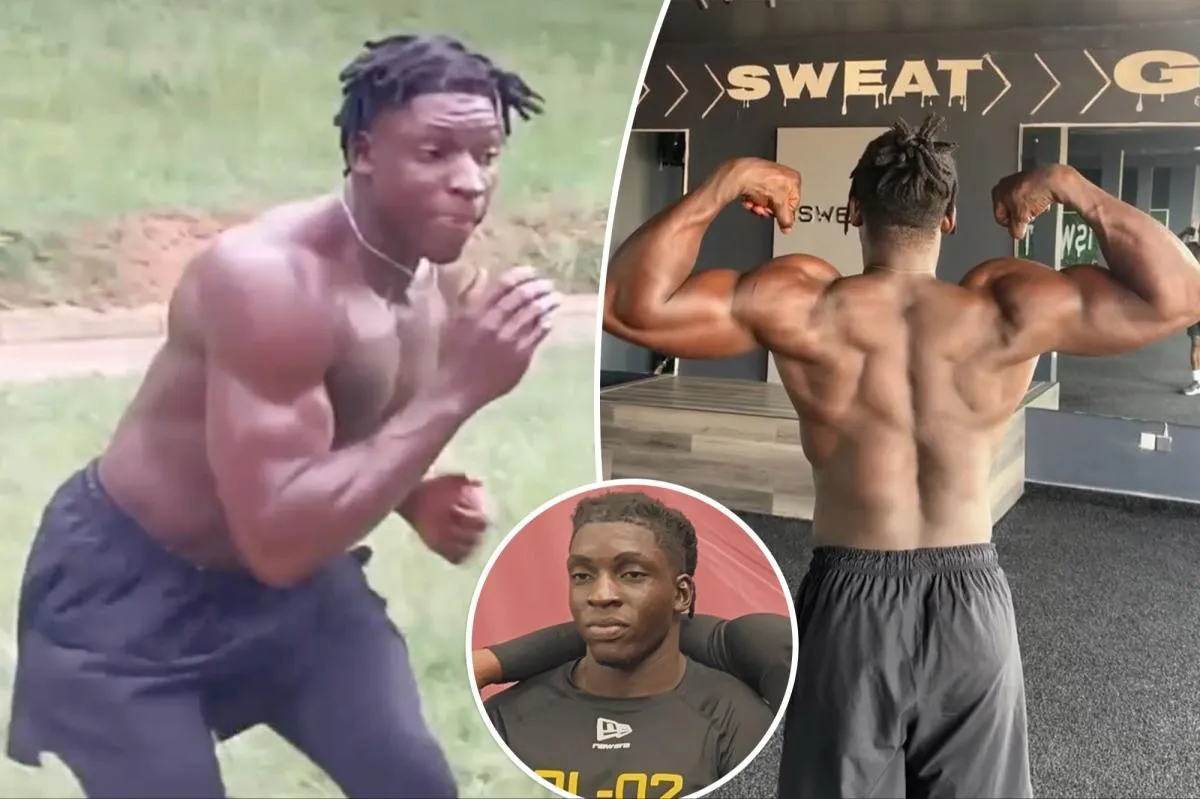
The decisive moment for Bernard came during the NFL’s HBCU showcase, where he showcased remarkable athletic abilities. He logged a vertical jump of 39 inches and a broad jump of 10 feet 10 inches, alongside a 40-yard dash time of 4.63 seconds. These numbers not only highlighted his explosive athleticism but also positioned him as a standout among his peers, generating significant interest from NFL teams.
The immediate effects of Bernard’s performance were profound. His unofficial Relative Athletic Score (RAS) is a perfect 10, a metric that underscores his potential as an elite athlete. Coaches and scouts have begun to take notice, with figures like Jordan Luallen stating, “Hands down, he is the most explosive athlete I’ve ever seen in my life.” Such endorsements further elevate Bernard’s profile as he approaches the NFL draft.
Bernard’s transition from basketball to football has not been without its challenges. Growing up in a village where most residents are farmers, he faced significant obstacles, including the loss of his father at a young age. Despite these hardships, he has drawn inspiration from football role models such as Aaron Donald and Myles Garrett, which has fueled his determination to succeed in this new sport.
Experts have begun to draw comparisons between Bernard and other athletic prodigies, with George Whitfield noting, “It’s like watching (Victor Wembanyama). The numbers don’t even do him justice.” This perspective highlights the unique combination of size, speed, and agility that Bernard possesses, suggesting that he could redefine expectations for athletes transitioning from basketball to football.
As Bernard continues to train, he has made significant strides in his physical conditioning. He began his training at 295 pounds with 11 percent body fat and has since reduced his body fat to 6 percent while increasing his weight to 306 pounds. This transformation is indicative of his commitment to excelling in the NFL, as he prepares for the challenges that lie ahead.
Looking forward, Uar Bernard’s journey serves as a beacon of hope for many aspiring athletes from non-traditional backgrounds. His story is not just about personal achievement; it represents a broader shift in the opportunities available for international athletes in American football. As he approaches the NFL draft, the anticipation surrounding his potential is palpable, with Bernard himself stating, “That’ll be like an answered prayer for me.” Details remain unconfirmed regarding his draft position, but the interest generated thus far suggests that he is a name to watch in the upcoming season.