Introduction
In our increasingly digital world, the authenticity of online content is under scrutiny. With the rise of artificial intelligence (AI) tools capable of generating realistic text, images, and videos, the need for AI detectors has become critical. These tools help identify AI-generated content and assess its credibility, ensuring that individuals and organizations can trust the information they encounter.
The Surge of AI-Generated Content
The use of AI technology to create content has surged in recent years, transforming industries ranging from journalism to marketing. Tools like OpenAI’s ChatGPT and DALL-E have advanced to the point where they can produce human-like articles and stunning visuals. However, this ease of content creation raises concerns over issues like misinformation, plagiarism, and manipulated media.
What Are AI Detectors?
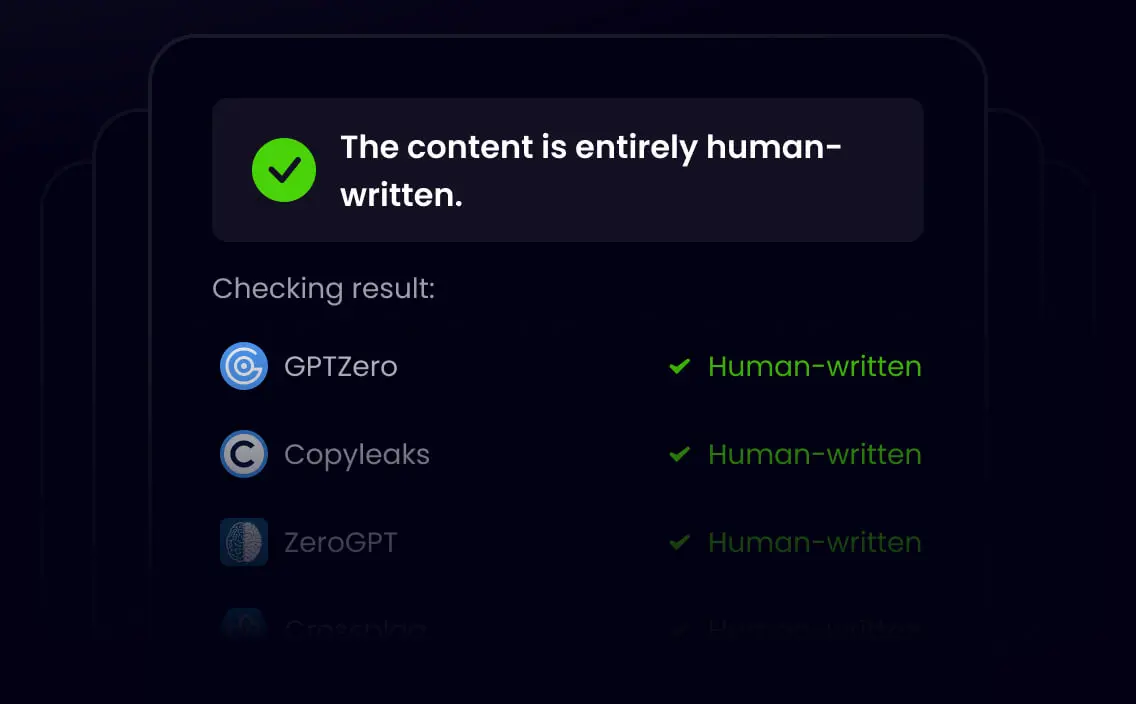
AI detectors are sophisticated software tools designed to identify and assess the authenticity of content. By employing algorithms that analyze writing patterns, linguistic styles, and even contextual relevance, these detectors can differentiate between human and AI-generated work. Companies like Turnitin, Grammarly, and Copyscape are refining their services to include AI detection capabilities.
Recent Developments
As of 2023, significant advancements have been made in AI detection technology. For instance, researchers are now utilizing machine learning techniques to train AI detectors to be more accurate in their assessments. A recent study published in The Journal of AI Research claimed that modern AI detectors have achieved a 95% accuracy rate in identifying AI-generated text, a significant improvement compared to previous models.
Furthermore, educational institutions and content platforms are increasingly adopting AI detectors to maintain academic integrity and ensure the reliability of information. For example, universities are using these tools to detect AI-written essays, which has raised ethical questions about authorship and originality.
Challenges and Limitations
Despite their capabilities, AI detectors are not without challenges. False positives, where human-created content is misidentified as AI-generated, can discourage genuine creativity. Additionally, as AI tools evolve, so too must the detectors, creating an ongoing arms race between content creators and detectors.
Conclusion
The emergence of AI detectors signifies a crucial step in preserving the integrity of digital content. As AI-generated content becomes more prevalent, these detectors will play an essential role in protecting users from misinformation and ensuring accountability. The future will likely see enhanced collaboration between AI technologies and detection systems, fostering a more trustworthy online environment that values authenticity.