Introduction
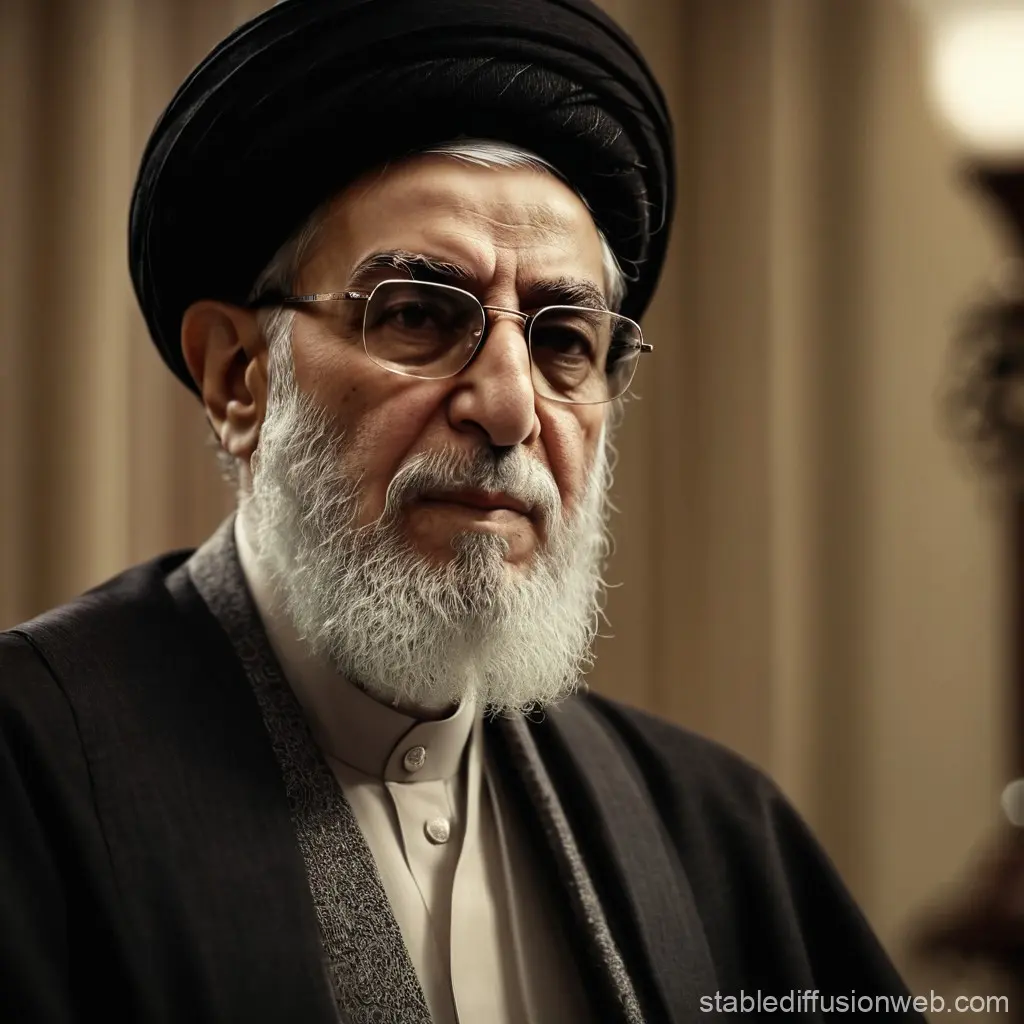
Ali Khamenei is a central figure in Iranian politics, serving as the Supreme Leader of Iran since 1989. He holds unparalleled influence over the country’s political, military, and religious facets, making him a pivotal character in shaping Iran’s domestic and foreign policies. In a country marked by its complex political landscape, understanding Khamenei’s role is crucial for grasping the dynamics of Iranian authority and governance.
The Path to Leadership
Khamenei was born on July 17, 1939, in Mashhad, Iran. He pursued an education in Islamic studies and became involved in politics early on, rising through the ranks during the 1979 revolution that led to the establishment of the Islamic Republic. After the death of the first Supreme Leader, Ayatollah Ruhollah Khomeini, Khamenei was appointed Supreme Leader, solidifying his role as Iran’s highest religious and political authority.
Current Events and Policies
Recently, Khamenei has been at the forefront of addressing several pivotal issues, including Iran’s nuclear program, regional influence in the Middle East, and domestic unrest. The ongoing negotiations regarding Iran’s nuclear deal have encountered significant challenges, with Khamenei emphasizing Iran’s right to enrich uranium while maintaining a firm stance against any perceived Western aggression. His leadership style has also been characterized by heavy censorship and suppression of dissent, especially in light of protests that have erupted over economic hardship and civil rights.
Impact of Khamenei’s Decisions
Khamenei’s decisions have far-reaching impacts. His backing of extremist factions in Lebanon, Iraq, and Yemen has shaped Iran’s geopolitical influence, consequently straining relations with Western powers and neighboring countries. In addition, his approach to dealing with protesters has raised serious concerns over human rights violations in Iran, further complicating the international community’s approach to the country.
Conclusion
Ali Khamenei remains a polarizing figure, with his leadership impacting not just the local populace, but also affecting international relations and regional stability. As he continues to navigate the balancing act of maintaining power while addressing economic and civil challenges, observers predict a tense atmosphere in Iran’s political climate. For readers seeking a comprehensive understanding of Iran’s current landscape, the significance of Khamenei’s influence cannot be overstated.